


Introduction
Money has always been one of the biggest sources of both opportunity and stress. As living costs continue to shift, subscriptions multiply, and new spending temptations appear almost daily, saving money requires more than simply cutting back. It calls for thoughtful planning, smarter financial decisions, and habits that remain sustainable over time.
If you’re wondering how to save money in 2026, the good news is that meaningful progress doesn’t require a huge salary or a dramatic lifestyle change. Small adjustments made consistently often create larger results than short bursts of extreme budgeting. Whether you’re trying to build an emergency fund, reduce debt, save for a home, prepare for retirement, or simply gain more financial freedom, every positive financial habit contributes to your long-term success.
This guide explores practical strategies that anyone can apply. Instead of relying on unrealistic advice or temporary money-saving tricks, you’ll discover realistic approaches that fit everyday life while helping you keep more of the money you earn.
Build a Budget That Reflects Your Real Life

Many people think budgeting means restricting every purchase, but an effective budget actually creates freedom. When you understand where your money goes, you gain control instead of wondering why your bank balance disappears before the month ends.
Begin by tracking every expense for one month. Include groceries, transportation, entertainment, streaming services, dining out, online shopping, insurance, utility bills, and even small purchases like coffee or snacks. These seemingly minor expenses often add up to surprising amounts. Once you have a complete picture, separate your spending into essential needs, financial goals, and optional wants. This makes it much easier to identify areas where adjustments can happen naturally rather than feeling forced.
Use Flexible Spending Categories
Rigid budgets often fail because life rarely follows a perfect schedule. Instead of assigning exact amounts to every category, create flexible spending ranges. For example, your grocery budget might allow for seasonal price changes without disrupting your entire financial plan.
Review your budget every month rather than creating one and forgetting it. Income, expenses, and priorities evolve throughout the year. Regular reviews help you stay realistic while preventing small financial problems from becoming larger ones.
Make Saving an Automatic Expense
One of the most effective habits is treating savings like a monthly bill. Rather than saving whatever remains after spending, transfer a fixed amount into savings immediately after receiving your paycheck.
Automation removes the temptation to spend money before saving it. Even modest automatic transfers accumulate surprisingly quickly over time and create consistent progress toward your financial goals.
Reduce Everyday Expenses Without Sacrificing Quality of Life

Saving money doesn’t always require giving up the things you enjoy. Often, it simply involves becoming more intentional about your daily spending decisions.
Start by reviewing recurring expenses. Subscription services, gym memberships, premium apps, software, and entertainment platforms often continue charging long after you’ve stopped using them regularly. Canceling just a few unused subscriptions can save hundreds of dollars annually without affecting your lifestyle.
Meal planning is another powerful money-saving strategy. Deciding meals in advance reduces impulse grocery shopping and significantly cuts food waste. Preparing lunches at home several times each week can also produce meaningful annual savings while often providing healthier meal options.
Shop With a Purpose
Impulse buying remains one of the biggest obstacles to saving money. Before making non-essential purchases, adopt a waiting period. Waiting 24 to 72 hours before buying something allows emotions to settle and gives you time to decide whether the purchase truly adds value.
Comparing prices has become easier than ever. Checking multiple retailers, looking for seasonal sales, purchasing quality items during discounts, and considering refurbished products can reduce costs without sacrificing quality.
Lower Household Costs
Small changes around your home can steadily reduce monthly expenses. Using energy-efficient appliances, turning off unused electronics, adjusting thermostat settings, fixing water leaks promptly, and maintaining heating and cooling systems all contribute to lower utility bills.
Insurance policies should also be reviewed periodically. Comparing coverage options every year may reveal opportunities to lower premiums while maintaining adequate protection.
Increase Your Savings Through Smarter Financial Habits

Saving money isn’t only about reducing expenses. Developing stronger financial habits creates lasting improvements that continue paying off year after year.
One valuable habit is setting specific savings goals. Instead of simply deciding to “save more,” establish measurable objectives. Saving for an emergency fund, a vacation, education, home improvements, or retirement gives each dollar a clear purpose. People often remain more motivated when they know exactly what they’re working toward.
Tracking progress also helps maintain momentum. Watching your savings grow, even gradually, reinforces positive habits and encourages consistency during months when financial progress feels slower.
Build an Emergency Fund
Unexpected expenses are inevitable. Car repairs, medical bills, home maintenance, or temporary income loss can quickly disrupt your finances if you’re unprepared.
Building an emergency fund provides financial stability during these situations. Many financial professionals recommend saving enough to cover several months of essential living expenses, but reaching that goal happens one step at a time. Even a modest emergency fund can prevent the need for expensive borrowing when unexpected costs arise.
Separate Saving From Spending
Keeping savings in a dedicated account reduces the temptation to spend it on everyday purchases. Some people even maintain multiple savings accounts for different goals, making financial planning more organized and easier to manage.
Seeing separate balances for emergencies, travel, home projects, or education creates psychological motivation while helping ensure that money intended for one goal isn’t accidentally spent on another.
Increase Income While Protecting Your Financial Future

Although reducing expenses plays a major role in saving money, increasing your income can accelerate financial progress considerably.
Many people possess valuable skills that can generate additional earnings outside their primary job. Freelance work, consulting, tutoring, online teaching, selling handmade products, photography, writing, graphic design, bookkeeping, or technical services may provide flexible opportunities to supplement income.
Before committing to a side business, evaluate the time investment alongside potential earnings. Sustainable opportunities that fit your schedule are generally more successful than attempting to maximize every available hour.
Invest in Your Skills
Sometimes the best financial decision involves spending money strategically. Professional certifications, career training, technical courses, language skills, or specialized education can increase earning potential over many years.
Improving your qualifications may lead to promotions, salary increases, or access to higher-paying industries. Viewed over the long term, these investments often produce returns that far exceed their initial costs.
Avoid Lifestyle Inflation
Higher income doesn’t automatically result in greater wealth. Many people increase their spending every time their salary grows, leaving little additional money for saving.
Instead, consider directing a substantial portion of raises, bonuses, or unexpected income toward savings, investments, or debt repayment before adjusting your lifestyle. This allows your financial position to strengthen without requiring major sacrifices.
Prepare for Long-Term Financial Success in 2026 and Beyond
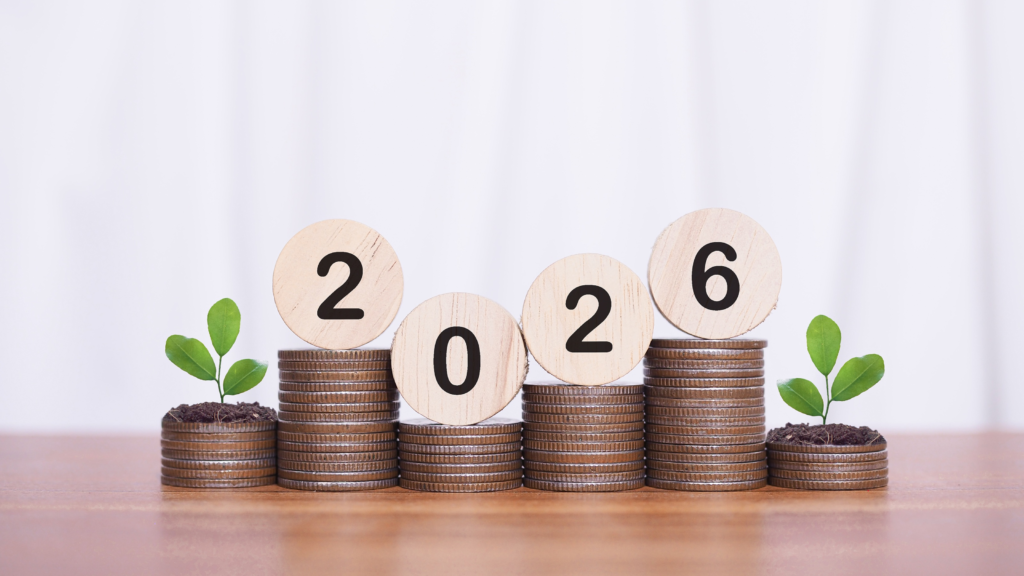
Saving money isn’t simply about the current year. The strongest financial plans remain effective through changing economic conditions and personal circumstances.
Regular financial reviews help ensure your goals continue matching your priorities. Income changes, family responsibilities, housing costs, career moves, and future plans all influence how your budget should evolve. Reviewing your financial situation every few months allows you to adjust before problems become difficult to manage.
Debt management also deserves ongoing attention. High-interest debt can significantly reduce your ability to save. Prioritizing repayment of expensive debts often produces financial benefits that exceed many traditional savings methods. Once debt becomes more manageable, the money previously used for repayments can strengthen your savings even further.
Develop Healthy Spending Habits
Financial success depends less on perfection and more on consistency. Asking thoughtful questions before purchases can dramatically improve spending decisions.
Consider whether an item solves a genuine problem, provides lasting value, or simply satisfies a temporary impulse. This simple pause often prevents unnecessary spending while ensuring that purchases align with your long-term priorities.
Think Beyond Monthly Savings
Long-term financial health includes retirement planning, maintaining appropriate insurance, investing responsibly according to your goals and risk tolerance, and preparing for future life events.
Saving money becomes much easier when viewed as part of a complete financial strategy rather than an isolated monthly challenge. Every thoughtful decision contributes to greater flexibility, reduced stress, and stronger financial security over time.
Conclusion
Learning how to save money in 2026 is less about finding a single perfect strategy and more about building habits that consistently support your financial goals. A realistic budget, intentional spending, regular saving, careful planning, and thoughtful financial decisions all work together to create lasting results.
Every person’s financial journey looks different, but the principles remain remarkably consistent. Spend with purpose, save before you spend, prepare for unexpected expenses, continue developing your earning potential, and review your finances regularly. Small improvements made month after month often lead to significant financial progress over the years.
Rather than chasing quick fixes, focus on creating routines that feel sustainable. Financial confidence grows from consistency, and every positive decision brings you one step closer to greater freedom, security, and peace of mind.
Frequently Asked Questions (FAQs)
1. What is the best way to save money in 2026?
The best approach combines a realistic budget, automatic savings, careful spending, reducing unnecessary expenses, and regularly reviewing your financial goals. Consistency matters more than making dramatic changes.
2. How much of my income should I save each month?
The amount varies based on your income and obligations, but many people aim to save at least 10% to 20% of their monthly earnings whenever possible. Starting with a smaller percentage is perfectly acceptable if it helps build a lasting habit.
3. Should I pay off debt before saving money?
High-interest debt should generally be a priority, but it’s also wise to build a small emergency fund so unexpected expenses don’t force you to borrow even more.
4. How can I reduce grocery expenses without sacrificing nutrition?
Plan meals in advance, create shopping lists, buy seasonal produce, cook at home more often, purchase store brands when quality is comparable, and minimize food waste by using ingredients efficiently.
5. Why do automatic savings work so well?
Automation removes the need to make a saving decision every month. Money moves into savings before you’re tempted to spend it, making consistent progress much easier.
6. What is lifestyle inflation?
Lifestyle inflation occurs when spending increases every time income rises. Avoiding this habit allows raises and bonuses to strengthen your savings and investments instead of simply increasing expenses.
7. How large should an emergency fund be?
Many financial experts recommend saving enough to cover three to six months of essential living expenses, although the right amount depends on your personal circumstances and job stability.
8. Can small daily savings really make a difference?
Yes. Reducing frequent small expenses, such as impulse purchases or unused subscriptions, can produce substantial annual savings when practiced consistently.
9. How often should I review my budget?
Reviewing your budget once a month helps ensure it reflects your current income, expenses, and financial priorities while allowing you to adjust before small issues become larger problems.
10. What is the biggest mistake people make when trying to save money?
One of the most common mistakes is relying on motivation alone instead of creating consistent financial habits. Sustainable routines usually produce far better long-term results than short periods of aggressive budgeting.
