

Introduction
Heating oil prices affect millions of households that rely on oil-fired heating systems to stay comfortable during colder months. Whether you’re planning your household budget, deciding when to refill your tank, or simply trying to understand why prices rise and fall so dramatically, having a clear picture of the market can help you make better decisions.
Unlike many everyday expenses, heating oil costs can change quickly. A cold winter, international supply issues, refinery maintenance, transportation costs, and shifts in crude oil markets all play a role in determining what homeowners ultimately pay. Because of these moving parts, prices often fluctuate throughout the year, creating opportunities for informed consumers to save money.
Understanding the factors behind heating oil prices doesn’t require an economics degree. With a basic knowledge of how the market works and a few practical strategies, homeowners can better anticipate price changes, avoid unnecessary expenses, and make smarter purchasing decisions. This guide explores everything from the forces that shape pricing to long-term trends and effective ways to reduce heating costs.
Understanding What Determines Heating Oil Prices
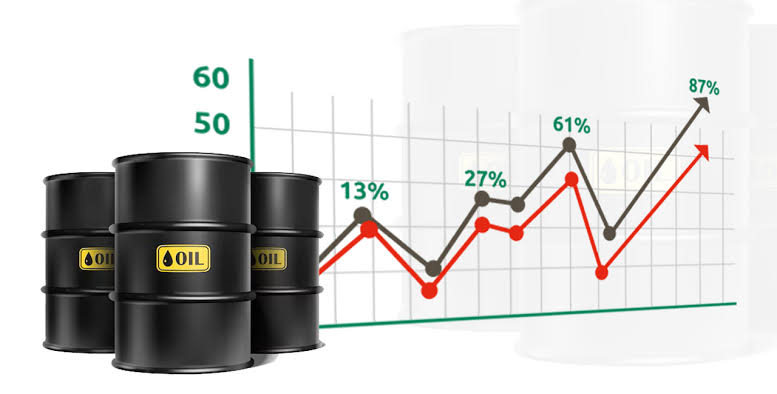
Heating oil begins its journey as crude oil, making the global energy market one of the biggest influences on retail pricing. When crude oil becomes more expensive due to increased demand or reduced supply, heating oil prices generally follow the same upward direction. The opposite also holds true when crude prices decline, although retail prices do not always fall immediately because distributors and retailers adjust inventory at different speeds.
Refining costs also play an important role. Crude oil must be processed into usable heating fuel before it reaches consumers. Refinery maintenance, production limitations, labor costs, and energy expenses can all affect the final price. Even when crude oil prices remain relatively stable, refining challenges may still push heating oil costs higher.
Seasonal Demand Creates Price Swings
Seasonal demand is one of the most predictable drivers of heating oil prices. During autumn and winter, households consume significantly more fuel as temperatures drop. Suppliers often experience increased demand during these months, particularly during extended cold spells.
Many homeowners schedule deliveries simultaneously during severe weather, placing additional pressure on distribution networks. As demand increases faster than available supply, prices often climb. Conversely, spring and summer typically bring lower demand, creating opportunities for more competitive pricing.
Transportation and Distribution Costs
Heating oil travels through an extensive supply chain before arriving at residential storage tanks. Fuel may be transported by pipelines, ships, rail networks, or tanker trucks, depending on regional infrastructure.
Transportation expenses—including diesel fuel, labor, equipment maintenance, insurance, and logistics—are reflected in the retail price. Areas located farther from major fuel terminals often experience slightly higher heating oil prices because of increased delivery costs.
Global Events and Economic Conditions That Influence Heating Oil Prices

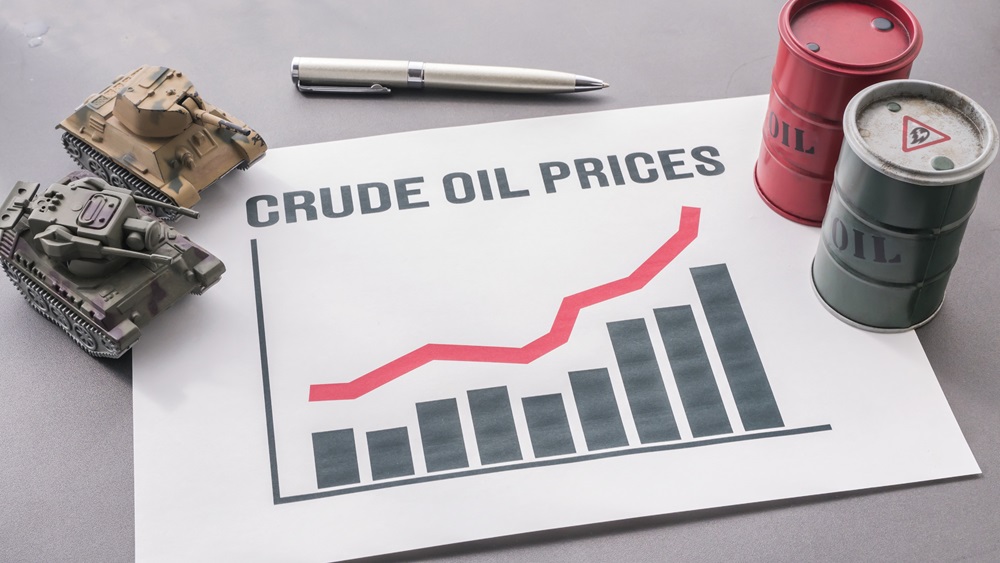
Energy markets are deeply interconnected. Political developments, international conflicts, production decisions by oil-exporting nations, and global economic performance all influence fuel prices. A disruption in one major oil-producing region can quickly affect prices worldwide, even in communities thousands of miles away.
When global demand for petroleum products rises, competition for crude oil intensifies. Growing industrial activity, expanding transportation needs, and increased manufacturing often contribute to higher energy prices. During periods of economic slowdown, demand may soften, allowing prices to stabilize or decline.
Weather Patterns Have a Bigger Impact Than Many Realize
Weather affects heating oil prices in multiple ways. Extended periods of freezing temperatures increase residential consumption, causing inventories to shrink faster than expected. Suppliers may need to replenish stocks more frequently, sometimes at higher wholesale prices.
Severe storms can also interrupt transportation networks. Snowstorms, hurricanes, flooding, or ice can delay fuel deliveries, disrupt refinery operations, or temporarily close shipping routes. Even relatively short interruptions may influence regional pricing.
Inventory Levels and Supply Availability
National and regional fuel inventories serve as an important market indicator. Healthy inventory levels typically provide greater price stability because suppliers have sufficient reserves to meet demand.
When inventories fall below expected levels, markets often react quickly. Buyers become more aggressive, wholesalers compete for available supplies, and retail prices can increase even before shortages actually occur. This sensitivity explains why inventory reports receive close attention from energy analysts.
Seasonal Trends and the Best Time to Buy Heating Oil

Although predicting exact price movements is impossible, seasonal trends provide valuable guidance. Historically, many homeowners find that purchasing heating oil during the off-season can reduce costs compared with waiting until peak winter demand.
Spring frequently marks the beginning of lower demand. As temperatures rise, households use less heating fuel, giving suppliers greater flexibility in pricing. Summer often continues this pattern, although unusual global events can still influence market conditions.
Planning Ahead Can Reduce Financial Stress
Running out of heating oil during the coldest weeks of winter is both inconvenient and expensive. Emergency deliveries often carry additional service fees, and homeowners have little flexibility to compare prices when immediate delivery is required.
Keeping track of tank levels and scheduling deliveries before supplies become critically low provides greater purchasing flexibility. Instead of reacting to emergencies, homeowners can monitor market conditions and buy when prices appear more favorable.
Budget Plans and Price Protection Programs
Many fuel suppliers offer budgeting options that spread heating expenses evenly throughout the year. Rather than facing several large winter bills, customers make consistent monthly payments that improve financial planning.
Some companies also provide price protection programs that lock in a fixed price for a portion of the heating season. While these plans may not always produce the lowest possible cost, they offer predictable budgeting during periods of market volatility. Homeowners should carefully compare contract terms before enrolling to understand any limitations or additional fees.
Practical Ways Homeowners Can Reduce Heating Oil Costs

Reducing heating expenses doesn’t necessarily require replacing an entire heating system. Small improvements throughout the home can significantly lower fuel consumption while maintaining indoor comfort.
Proper insulation remains one of the most effective investments. Heat escaping through poorly insulated attics, walls, and crawl spaces forces heating systems to work harder, increasing fuel usage. Sealing drafts around windows and doors also prevents warm air from escaping and cold air from entering.
Improve Heating System Efficiency
Regular maintenance keeps oil-fired heating systems operating efficiently. Annual servicing typically includes cleaning burners, replacing filters, checking fuel lines, inspecting safety controls, and ensuring proper combustion.
A well-maintained furnace or boiler burns fuel more efficiently than one that has accumulated soot or mechanical wear. Even modest improvements in efficiency can produce noticeable savings throughout the heating season.
Programmable or smart thermostats provide another opportunity for savings. Lowering indoor temperatures slightly while occupants are sleeping or away from home reduces fuel consumption without sacrificing comfort during occupied hours.
Compare Suppliers and Delivery Options
Heating oil markets are competitive in many regions. Prices, delivery fees, customer service, payment options, and contract terms can vary among suppliers.
Rather than choosing solely based on the lowest advertised price, homeowners should evaluate the complete value offered. Reliable delivery schedules, transparent pricing, responsive customer support, and flexible payment options often justify modest price differences.
Some households also coordinate deliveries with neighbors to improve logistical efficiency, although availability varies depending on local suppliers.
The Future of Heating Oil Prices and Emerging Energy Trends
The heating oil industry continues to evolve as governments, manufacturers, and consumers pursue cleaner energy solutions. Modern heating equipment has become considerably more efficient than older systems, helping households reduce fuel consumption without sacrificing warmth.
Advances in fuel technology have also contributed to cleaner combustion. Lower sulfur content and improved fuel formulations allow many modern heating systems to operate more efficiently while producing fewer emissions.
Renewable Heating Fuels Are Expanding
One notable development is the growing use of renewable liquid fuels blended with traditional heating oil. These fuels are often produced from recycled cooking oils, agricultural products, or other renewable feedstocks.
As production capacity expands, renewable blends may help reduce greenhouse gas emissions while remaining compatible with many existing heating systems. Continued investment in renewable fuel technologies could gradually reshape the residential heating market over the coming decades.
Long-Term Market Expectations
Forecasting heating oil prices years into the future remains challenging because numerous unpredictable variables influence the market. Geopolitical developments, technological innovation, environmental regulations, economic growth, and weather patterns all contribute to long-term pricing trends.
Rather than attempting to predict exact future prices, homeowners benefit most from focusing on energy efficiency, preventive maintenance, informed purchasing decisions, and long-term budgeting. These strategies remain valuable regardless of short-term market fluctuations.
Conclusion
Heating oil prices are influenced by a complex combination of global energy markets, seasonal demand, transportation costs, weather conditions, refinery operations, and regional supply levels. While no one can accurately predict every price movement, understanding these influences allows homeowners to make more informed purchasing decisions throughout the year.
Preparation is often the strongest defense against rising costs. Monitoring fuel levels, maintaining heating equipment, improving home insulation, and purchasing fuel strategically can collectively reduce annual heating expenses. Small adjustments made consistently often deliver meaningful savings over time.
As the heating industry embraces cleaner fuels and more efficient technologies, consumers will likely gain additional options for managing both costs and environmental impact. Staying informed about market trends and investing in efficiency measures will continue to help households navigate changing heating oil prices with greater confidence.
Frequently Asked Questions (FAQs)
1. Why do heating oil prices change so frequently?
Heating oil prices fluctuate because of changes in crude oil costs, seasonal demand, refinery operations, transportation expenses, weather conditions, and global supply and demand.
2. When is the cheapest time to buy heating oil?
Many homeowners find lower prices during the spring and summer months when demand is typically lower, although market conditions can vary from year to year.
3. Does colder weather always increase heating oil prices?
Extended periods of cold weather often increase demand, which can contribute to higher prices. However, inventory levels and global market conditions also influence pricing.
4. How can I reduce my heating oil consumption?
Improving insulation, sealing air leaks, maintaining your heating system, using a programmable thermostat, and lowering indoor temperatures slightly can all reduce fuel use.
5. Should I fill my oil tank completely?
Keeping a reasonably full tank helps reduce the risk of running out during peak winter demand and provides greater flexibility when scheduling deliveries.
6. Are fixed-price heating oil plans worth considering?
They can be beneficial for homeowners who prefer predictable budgeting and protection from sudden price increases, though they may not always provide the lowest overall cost.
7. Does heating oil expire if stored for a long time?
Heating oil can remain usable for an extended period when stored properly in a clean, well-maintained tank, but very old fuel may gradually degrade.
8. Can a more efficient furnace lower heating oil costs?
Yes. Modern high-efficiency heating systems use less fuel to produce the same amount of heat, potentially reducing annual heating expenses.
9. What role do global events play in heating oil prices?
International supply disruptions, production changes, trade policies, and geopolitical tensions can significantly affect crude oil markets, influencing heating oil prices worldwide.
10. Will renewable heating fuels replace traditional heating oil?
Renewable heating fuels are becoming more widely available and may play a growing role in residential heating. Many experts expect them to complement and gradually reshape the market as production and adoption increase.
