

Introduction
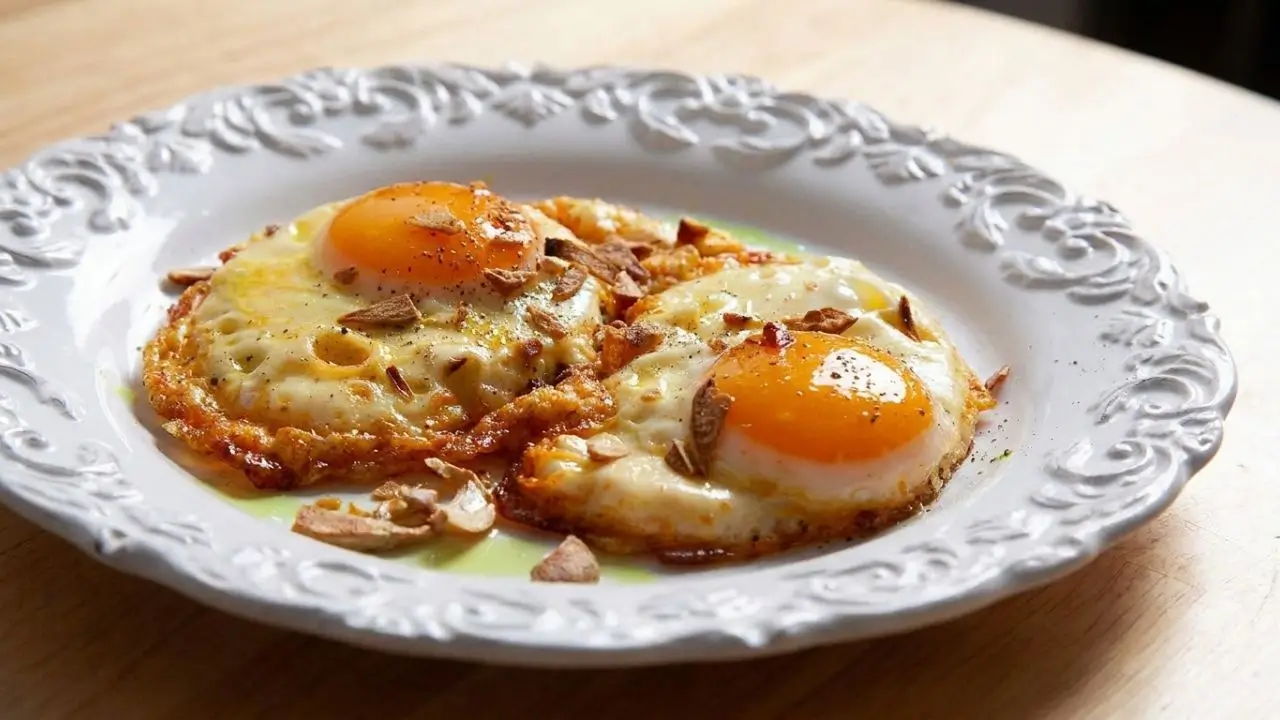
Over medium eggs strike a satisfying balance between fully runny and completely firm. They feature tender, fully cooked whites while the yolk remains thick, creamy, and just slightly soft in the center. For many breakfast lovers, this style offers the best of both worlds, providing rich flavor and a luxurious texture without the mess of a completely liquid yolk.
Although cooking eggs may seem simple, achieving consistently perfect over medium eggs requires attention to timing, temperature, and technique. Small adjustments can make the difference between a beautifully creamy center and an overcooked yolk. Whether you’re preparing breakfast at home, making a hearty brunch, or simply expanding your cooking skills, learning this classic egg style is a valuable addition to your kitchen repertoire.
What Are Over Medium Eggs?
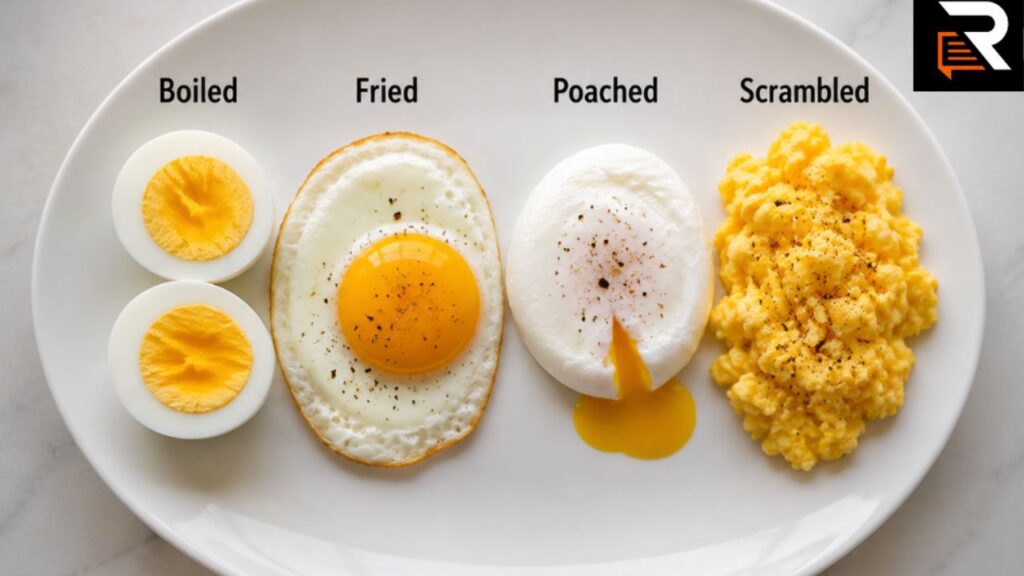
Over medium eggs are fried on both sides. Unlike sunny-side-up eggs, they are flipped during cooking, allowing the top to cook as well. The whites become completely set, while the yolk cooks just enough to develop a thick, velvety consistency that isn’t fully runny but still remains moist and rich.
The name itself explains the cooking process. “Over” refers to flipping the egg, while “medium” describes the level of doneness. The yolk sits comfortably between liquid and hard-cooked, creating a creamy center that holds its shape when cut with a fork.
How They Compare to Other Fried Eggs
Understanding the differences between fried egg styles helps you order or prepare exactly what you want.
- Sunny-side up: Cooked only on one side with a fully runny yolk.
- Over easy: Flipped briefly, leaving the yolk very runny.
- Over medium: Flipped longer so the yolk becomes creamy and partially set.
- Over hard: Cooked until both the whites and yolk are completely firm.
Many people find over medium eggs to be the ideal middle ground. They offer enough structure to eat neatly while still delivering the rich texture that makes fried eggs so enjoyable.
A properly cooked over medium egg should reveal a warm golden center that slowly spreads when cut but does not flow freely across the plate. This consistency pairs beautifully with toast, breakfast potatoes, sandwiches, and grain bowls.
How to Cook Perfect Over Medium Eggs Every Time
Mastering over medium eggs begins long before the egg reaches the pan. Fresh ingredients, the right cookware, and gentle heat all contribute to better results. While the process takes only a few minutes, patience is one of the most important ingredients.
Choose a nonstick or well-seasoned skillet to reduce sticking and minimize the need for excessive oil. A small amount of butter creates rich flavor, while neutral cooking oils offer crisp edges if preferred. Medium-low heat is generally ideal because it cooks the whites evenly without scorching the bottom.
Step-by-Step Cooking Method
Start by warming your pan before adding butter or oil. Crack the egg into a small bowl first, then gently slide it into the skillet. This helps avoid broken yolks and allows for a smoother transfer.
Allow the egg to cook until the whites become nearly set. The edges should appear solid while the top remains slightly glossy. Using a thin spatula, carefully flip the egg in one smooth motion. Continue cooking for approximately 30 to 60 seconds depending on your preferred yolk consistency.
Remove the egg from the heat immediately once the yolk reaches a creamy texture. Since eggs continue cooking briefly after leaving the pan, serving them promptly helps preserve the ideal consistency.
Common Mistakes to Avoid
One of the biggest mistakes is cooking over high heat. Excessive temperatures brown the whites too quickly while leaving little control over the yolk.
Another common error is flipping too early. If the whites have not set enough, the egg may fold over or break apart. Waiting until the whites are mostly firm makes flipping much easier.
Pressing down with the spatula is also unnecessary. Doing so often breaks the yolk and changes the texture that makes over medium eggs unique.
Why Over Medium Eggs Are a Favorite Choice
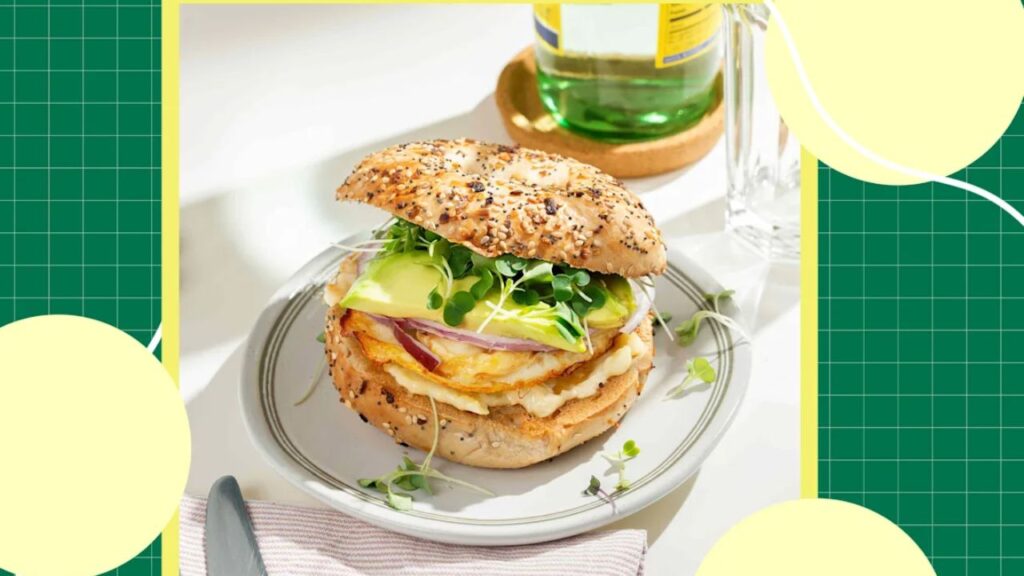
The appeal of over medium eggs extends beyond breakfast. Their creamy yolk enhances many meals while remaining practical enough for sandwiches, burgers, and rice bowls.
Unlike very runny yolks that can overwhelm a dish, the thicker center of an over medium egg adds richness without becoming messy. This makes them especially popular for meals eaten on the go or layered into breakfast sandwiches.
Another reason people appreciate this style is its versatility. A single over medium egg can transform roasted vegetables, avocado toast, grilled asparagus, sautéed mushrooms, or a simple salad into a more satisfying meal.
Flavor and Texture Balance
Texture plays a major role in how food is experienced. Over medium eggs provide several textures in one bite: delicate whites, creamy yolk, and slightly crisp edges if cooked in butter or oil.
The yolk acts almost like a natural sauce. When pierced, it gently coats nearby ingredients instead of flooding the plate. This subtle richness complements both simple and complex dishes.
Many chefs prefer over medium eggs because they create visual appeal while maintaining structural integrity. The yolk remains intact until intentionally cut, making the presentation cleaner than eggs with fully liquid centers.
Best Foods to Serve with Over Medium Eggs

Few ingredients are as adaptable as eggs. Their mild flavor allows them to blend naturally into countless recipes across breakfast, lunch, and dinner.
Classic breakfast combinations remain timeless. Toast, bacon, sausage, roasted tomatoes, sautéed spinach, hash browns, and fresh fruit all pair exceptionally well with over medium eggs. The creamy yolk brings the entire plate together without overpowering the individual flavors.
For a healthier meal, serve over medium eggs with whole-grain toast, sliced avocado, grilled vegetables, quinoa, or brown rice. These combinations provide satisfying texture while balancing protein, healthy fats, and fiber.
Creative Meal Ideas
Over medium eggs shine far beyond traditional breakfasts.
Place one on top of a cheeseburger to create extra richness with every bite. Add one to fried rice for a comforting dinner, or serve it over ramen, allowing the yolk to blend naturally into the broth.
Breakfast burritos also benefit from over medium eggs. Instead of scrambled eggs, a carefully folded fried egg creates pockets of creamy yolk throughout the tortilla. Grain bowls, roasted sweet potatoes, and even pizza become more flavorful with a perfectly cooked egg on top.
Home cooks often discover that leftover vegetables become far more exciting when paired with an over medium egg. The yolk enhances roasted Brussels sprouts, asparagus, zucchini, mushrooms, and leafy greens with minimal effort.
Nutrition, Freshness, and Expert Tips for Better Results
Eggs are naturally rich in high-quality protein and contain a variety of vitamins and minerals that support a balanced diet. They also provide healthy fats that contribute to satiety, making them an excellent choice for breakfast or any meal requiring lasting energy.
The exact nutritional profile depends on egg size, cooking fat, and serving accompaniments, but one large egg generally contains around 70 calories along with significant amounts of protein, vitamin B12, selenium, riboflavin, and choline. Choline is especially valuable because it supports normal brain function and cell health.
Choosing Fresh Eggs
Fresh eggs make a noticeable difference in both appearance and cooking performance.
Their whites remain tighter around the yolk, making flipping easier and producing a more attractive finished egg. Older eggs tend to spread farther in the pan, increasing the chance of uneven cooking.
Store eggs in their original carton inside the refrigerator rather than in the door, where temperatures fluctuate more frequently. Consistent cold storage helps preserve freshness and quality.
Professional Tips for Consistent Success
Experienced cooks often crack eggs into individual bowls before adding them to the skillet. This allows quick removal of shell fragments and makes it easier to slide the egg gently into the pan.
Allow refrigerated eggs to sit at room temperature for several minutes before cooking if possible. This can promote slightly more even cooking, particularly when preparing multiple eggs.
If cooking for several people, avoid overcrowding the pan. Giving each egg enough space makes flipping easier and helps maintain consistent heat across the cooking surface.
Finally, season at the end with salt, freshly ground black pepper, herbs, or a light sprinkle of paprika. Fresh chives, parsley, dill, or grated Parmesan can elevate a simple fried egg into a restaurant-worthy breakfast.
Conclusion
Over medium eggs offer an exceptional combination of flavor, texture, and versatility. Their fully cooked whites provide structure, while the warm, creamy yolk delivers richness that enhances everything from toast to grain bowls. They are approachable for beginners yet refined enough to satisfy experienced home cooks and professional chefs alike.
With the right pan, gentle heat, and careful timing, preparing perfect over medium eggs quickly becomes second nature. Once you’ve mastered the technique, you’ll have a dependable cooking skill that brings comfort, elegance, and satisfying flavor to meals throughout the day.
FAQs
1. What is an over medium egg?
An over medium egg is fried on both sides until the whites are fully cooked and the yolk becomes warm, thick, and slightly creamy in the center.
2. How is an over medium egg different from over easy?
An over easy egg has a mostly runny yolk, while an over medium egg has a partially set yolk with a thicker consistency.
3. How long should I cook an over medium egg after flipping?
Typically, cook it for 30 to 60 seconds after flipping, depending on how creamy you want the yolk.
4. Can I cook over medium eggs without butter?
Yes. Neutral oils, olive oil, or cooking sprays all work well, although butter adds extra richness and flavor.
5. Why does my yolk keep breaking?
Broken yolks usually result from flipping too aggressively or using a thick spatula. A thin, flexible spatula and gentle movement help prevent this.
6. Are over medium eggs fully cooked?
The egg whites are fully cooked, while the yolk remains partially cooked with a creamy texture.
7. What pan works best for cooking over medium eggs?
A quality nonstick skillet or a well-seasoned cast-iron pan provides the best control and easiest release.
8. Can over medium eggs be used in sandwiches?
Absolutely. Their creamy yolk adds richness without becoming excessively messy, making them ideal for breakfast sandwiches and burgers.
9. What seasonings pair well with over medium eggs?
Salt, black pepper, smoked paprika, garlic powder, fresh herbs, Parmesan cheese, and chili flakes all complement their flavor.
10. Can beginners successfully make over medium eggs?
Yes. With medium-low heat, a good spatula, and careful timing, most beginners can master over medium eggs after only a few attempts.
