


Introduction
A magnetic dryer vent may seem like a small upgrade, but it can make a noticeable difference in the way your laundry room functions. Anyone who has struggled to push a heavy dryer back against the wall without crushing the vent hose understands how frustrating traditional dryer connections can be. A magnetic connection simplifies the process by allowing the vent to align and connect automatically, reducing the effort required during installation or maintenance.
Beyond convenience, a magnetic dryer vent also contributes to better airflow, easier cleaning, and a lower risk of disconnected or damaged vent hoses. Whether you’re replacing an old vent system, installing a new dryer, or simply looking for a more practical solution, understanding how these systems work can help you make an informed decision. This guide explores everything from their design and benefits to installation tips, maintenance practices, and frequently asked questions.
What Is a Magnetic Dryer Vent and How Does It Work?
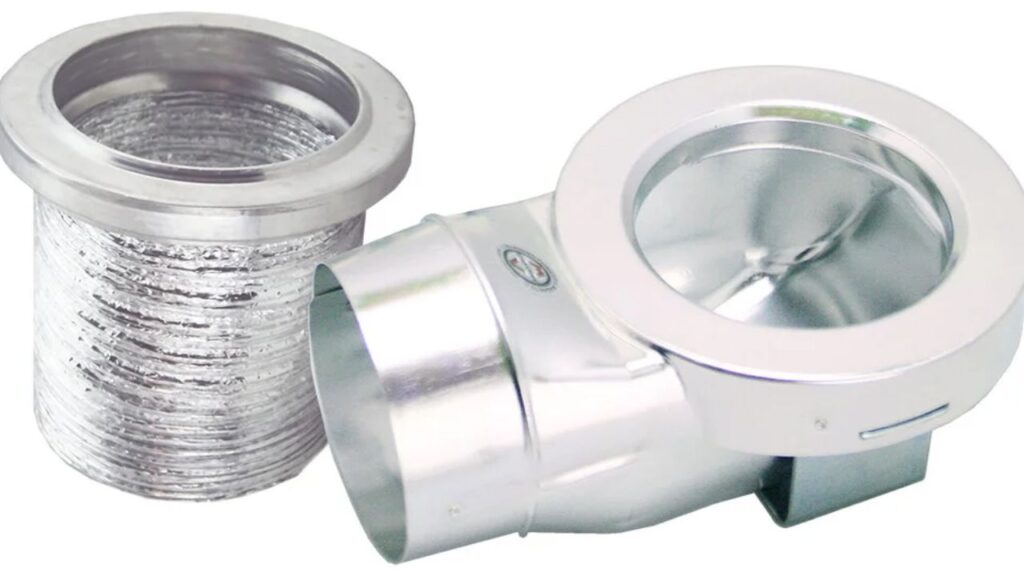
A magnetic dryer vent is a specialized connection system that uses strong magnets to join the dryer’s exhaust outlet with the home’s vent duct. Instead of relying solely on clamps, screws, or awkward manual alignment, the magnetic components naturally pull together, creating a secure and properly aligned connection. This simple design addresses one of the most common frustrations associated with installing or moving a clothes dryer.
Unlike traditional vent connections that often require reaching into tight spaces behind the appliance, magnetic systems allow homeowners to position the dryer with far less effort. As the dryer moves toward the wall, the magnets guide the connection into place, minimizing the chance of accidental misalignment or partially connected ductwork.
Why Traditional Dryer Connections Can Be Challenging
Standard dryer vents often involve flexible aluminum ducts secured with clamps or foil tape. While these systems can work well when properly installed, they can become disconnected when the dryer is moved for cleaning or maintenance. Even a slight shift may loosen the connection or crush the vent hose, restricting airflow.
Poorly aligned ducts also create additional bends where lint can accumulate more easily. Over time, restricted airflow reduces drying performance and forces the dryer to work harder. A magnetic dryer vent helps reduce these issues by promoting a straighter, more secure connection.
The Engineering Behind Magnetic Connections
The magnets used in these systems are designed to remain securely connected while allowing intentional separation whenever maintenance is needed. This balance between strength and accessibility makes routine cleaning significantly easier.
Many magnetic vent systems also include rigid or semi-rigid metal components that resist crushing far better than inexpensive flexible plastic hoses. Together, these design features support improved airflow while making routine maintenance less complicated.
Benefits of Choosing a Magnetic Dryer Vent

One of the biggest advantages of a magnetic dryer vent is convenience. Homeowners often underestimate how often a dryer needs to be moved. Whether cleaning behind the appliance, retrieving a dropped item, replacing the washer, or performing annual vent maintenance, having an easy disconnect saves both time and effort.
The automatic alignment provided by magnets also reduces installation errors. Instead of struggling to line up two circular ducts hidden behind a heavy appliance, the magnets guide the pieces together naturally. This feature is especially helpful in compact laundry rooms where access is limited.
Improved Airflow Efficiency
Efficient airflow plays a major role in dryer performance. When exhaust air flows freely, moisture leaves clothing more quickly, resulting in shorter drying cycles and potentially lower energy consumption.
Because magnetic dryer vent systems often encourage straighter duct routing with fewer unnecessary bends, they help maintain smoother airflow. Reduced restrictions allow warm, moist air to exit more effectively while minimizing lint accumulation inside the vent.
Enhanced Safety
Lint is highly flammable. Whenever lint builds up inside dryer ducts due to poor airflow or disconnected vent sections, the risk of overheating increases. Although no vent system can completely eliminate fire risks, a properly installed magnetic dryer vent can support safer operation by maintaining a secure connection and encouraging easier routine cleaning.
A system that homeowners are more willing to inspect and clean regularly often stays in better condition than one that is difficult to access.
Easier Appliance Maintenance
Routine dryer maintenance becomes far less intimidating with a magnetic connection. Instead of loosening clamps and struggling with awkward duct positioning, users can simply pull the dryer forward, disconnect the magnetic joint, complete the necessary cleaning, and reconnect everything in minutes.
This convenience encourages regular maintenance rather than delaying it for years because the task seems difficult.
Installation Process and Compatibility Considerations

Installing a magnetic dryer vent is generally straightforward, although the exact process depends on the specific product and the existing vent configuration. Before beginning any installation, the dryer should be unplugged or disconnected from its power source, and gas dryers should have the gas supply turned off according to manufacturer recommendations.
Most magnetic vent kits include two primary connection pieces—one attaches to the dryer exhaust outlet, while the other connects to the home’s wall vent. Once both components are secured, moving the dryer into position allows the magnets to complete the final connection.
Measuring Before Purchase
Not every laundry room has identical dimensions. Before purchasing a magnetic dryer vent, homeowners should measure the available space behind the dryer, the diameter of the existing vent duct, and the distance between the appliance and the wall.
Most residential dryer vents use a standard four-inch diameter, but verifying compatibility helps avoid installation surprises. Tight spaces may also require low-profile magnetic vent systems specifically designed for compact laundry areas.
Rigid vs. Flexible Ducting
Many professionals recommend rigid or semi-rigid metal ducts whenever possible because they resist crushing and reduce lint buildup compared to highly flexible plastic or foil alternatives.
A magnetic dryer vent often works particularly well when paired with rigid duct sections, creating a more stable airflow path while maintaining the convenience of quick disconnection.
Professional Installation vs. DIY
Many homeowners with basic DIY experience can install a magnetic dryer vent themselves. However, if the vent path includes complex duct routing, wall modifications, or gas appliance connections, professional installation may provide additional peace of mind.
Correct installation is far more important than speed. Even the best vent system cannot perform effectively if improperly connected.
Maintenance Tips to Keep Your Magnetic Dryer Vent Performing at Its Best
Installing a magnetic dryer vent is only the beginning. Like every dryer exhaust system, it requires regular maintenance to remain safe and efficient. Fortunately, one of its greatest strengths is making that maintenance significantly easier.
Experts commonly recommend inspecting dryer vents at least once each year, although households with large families or frequent laundry loads may benefit from more frequent inspections. Pet owners should also check vents regularly because pet hair often contributes to lint accumulation.
Cleaning the Vent System
Disconnecting the magnetic joint allows easy access to both sides of the vent connection. Using a dryer vent brush or vacuum attachment, homeowners can remove accumulated lint before reconnecting the system.
Cleaning should extend beyond the visible connection point. The entire vent line leading to the exterior exhaust hood should be inspected periodically to ensure unrestricted airflow.
Inspecting Magnetic Components
Although magnets require very little maintenance, they should occasionally be checked for dust, lint, or debris that might interfere with proper alignment. Wiping the surfaces clean helps maintain a secure connection.
Metal components should also be inspected for dents, corrosion, or loose fittings. Addressing small issues early helps prevent larger ventilation problems later.
Watching for Warning Signs
Several symptoms may indicate that the vent system needs attention:
- Clothes require multiple drying cycles.
- The dryer feels unusually hot.
- The laundry room becomes excessively humid.
- Burning odors appear during operation.
- Excess lint accumulates around the dryer.
- The exterior vent flap opens only slightly during operation.
These warning signs should never be ignored, regardless of the type of vent connection installed.
Choosing the Right Magnetic Dryer Vent for Your Home

The market offers several magnetic dryer vent designs, each intended for different installation situations. Selecting the right model depends on available space, dryer location, vent layout, and personal maintenance preferences.
While price is naturally a consideration, durability, construction quality, and ease of cleaning often provide greater long-term value than selecting the least expensive option.
Material Quality Matters
Look for systems made from heavy-duty galvanized steel or aluminum rather than lightweight materials that may deform over time. Quality construction helps maintain proper airflow while withstanding repeated connection and disconnection.
Strong magnets should provide reliable holding power without making intentional separation unnecessarily difficult. The best products strike an effective balance between security and convenience.
Space-Saving Designs
Many modern homes include compact laundry closets where every inch matters. Low-profile magnetic dryer vents reduce the clearance needed behind the dryer, allowing appliances to sit closer to the wall without crushing the vent hose.
This additional space may seem minor, but it can improve room layout while protecting the vent system from unnecessary stress.
Long-Term Value
Although magnetic dryer vents generally cost more than basic flexible vent kits, many homeowners find the additional investment worthwhile. Easier maintenance, reduced installation frustration, improved airflow, and greater durability often provide lasting benefits throughout the life of the dryer.
A well-designed vent connection also reduces the likelihood of accidental disconnections when moving the appliance for cleaning or repairs.
Conclusion
A magnetic dryer vent combines convenience, thoughtful engineering, and practical safety improvements into a surprisingly simple home upgrade. By replacing awkward manual vent connections with self-aligning magnetic components, it transforms one of the most frustrating household maintenance tasks into a quick and manageable process.
The benefits extend well beyond installation. Better airflow, easier cleaning, reduced risk of crushed vent hoses, and simplified maintenance all contribute to more reliable dryer performance. Whether you’re renovating a laundry room, installing a new dryer, or improving an older vent system, a magnetic dryer vent offers a practical solution that supports both efficiency and peace of mind. With proper installation and regular maintenance, it can remain a dependable part of your home’s laundry system for many years.
Frequently Asked Questions (FAQs)
1. What is a magnetic dryer vent?
A magnetic dryer vent is a vent connection system that uses magnets to securely connect a clothes dryer to the home’s exhaust duct, making installation and maintenance easier.
2. Are magnetic dryer vents safe?
Yes. When properly installed and regularly cleaned, magnetic dryer vents can provide secure connections and help maintain proper airflow, contributing to safer dryer operation.
3. Can I install a magnetic dryer vent myself?
Many homeowners can install one using basic tools. However, professional installation is recommended if the vent layout is complex or if you’re working with a gas dryer and are unfamiliar with the necessary safety procedures.
4. Do magnetic dryer vents improve drying performance?
They can. By promoting a straighter, less restricted airflow path, they may help dryers operate more efficiently and shorten drying times.
5. Are magnetic dryer vents compatible with all dryers?
Most are designed for standard residential dryers with four-inch exhaust outlets. Always verify compatibility before purchasing.
6. How often should I clean a magnetic dryer vent?
Inspect the vent at least once a year. Homes with frequent laundry use, pets, or larger families may benefit from more frequent cleaning.
7. Can magnets lose their strength over time?
High-quality magnets generally retain their strength for many years under normal household conditions and require very little maintenance.
8. Is a magnetic dryer vent better than a flexible vent hose?
A magnetic connection often offers greater convenience and easier maintenance. When paired with rigid or semi-rigid metal ducting, it also supports better airflow than many flexible vent configurations.
9. Will a magnetic dryer vent fit in a small laundry room?
Many manufacturers offer low-profile magnetic dryer vent designs specifically intended for tight spaces where clearance behind the dryer is limited.
10. Is a magnetic dryer vent worth the investment?
For many homeowners, yes. The combination of easier installation, simplified maintenance, improved accessibility, and better airflow can make it a valuable long-term upgrade over traditional vent connections.
