

Introduction
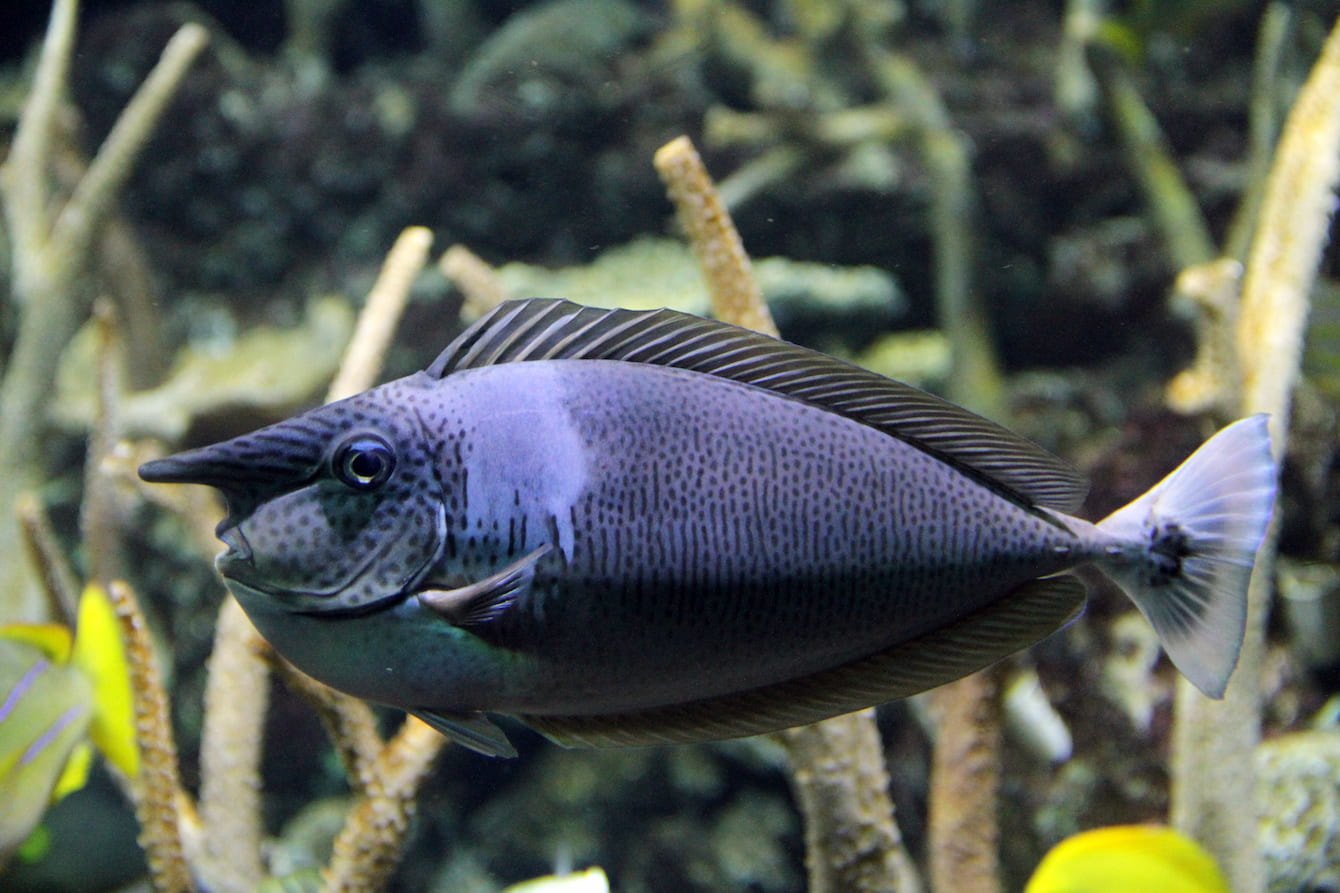
Unicorn fish are among the most intriguing creatures found in tropical oceans around the world. Their unusual appearance, characterized by a prominent horn-like projection on the forehead of some species, has earned them the mythical name “unicorn fish.” These remarkable marine animals belong to the surgeonfish family and are admired by divers, marine biologists, and aquarium enthusiasts alike.
From colorful coral reefs to open coastal waters, unicorn fish play a vital role in maintaining the health of marine ecosystems. Their unique adaptations, social behaviors, and ecological contributions make them one of the ocean’s most fascinating fish groups. In this comprehensive guide, we will explore everything you need to know about unicorn fish, including their physical characteristics, habitat, feeding habits, ecological significance, and conservation challenges.
What Is a Unicorn Fish? Understanding Its Unique Characteristics
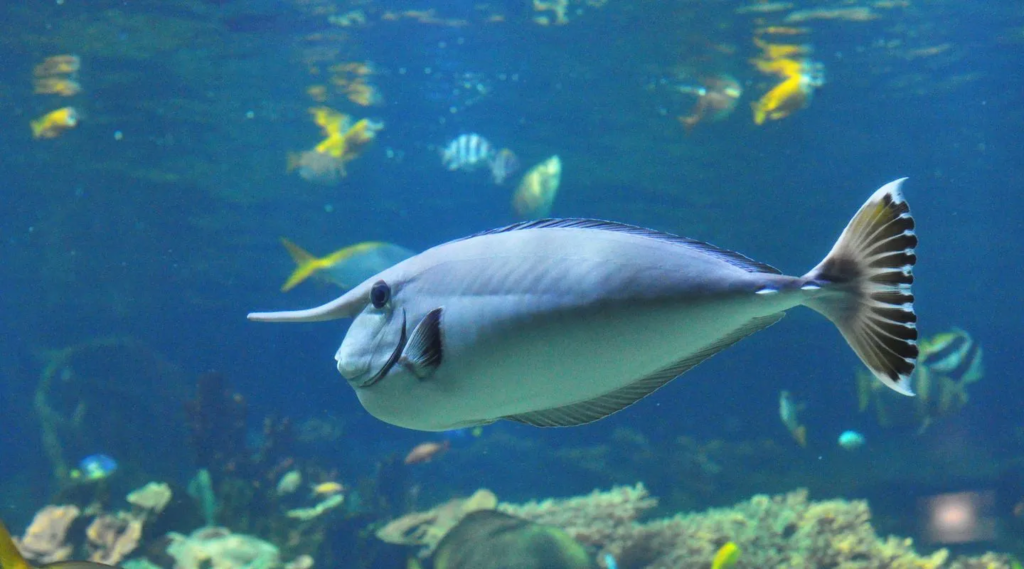
Unicorn fish belong to the genus Naso, a group of marine fish within the surgeonfish family. They are primarily found in warm tropical waters and are especially common around coral reefs in the Indo-Pacific region. The name “unicorn fish” comes from the horn-like growth that develops on the forehead of several species, giving them a distinctive and memorable appearance.
While not all species possess a long horn, many develop a noticeable protrusion as they mature. This feature is believed to play a role in social interactions, species recognition, and possibly mating displays. The horn varies greatly among species, with some displaying a small bump while others develop an elongated structure that extends significantly from the head.
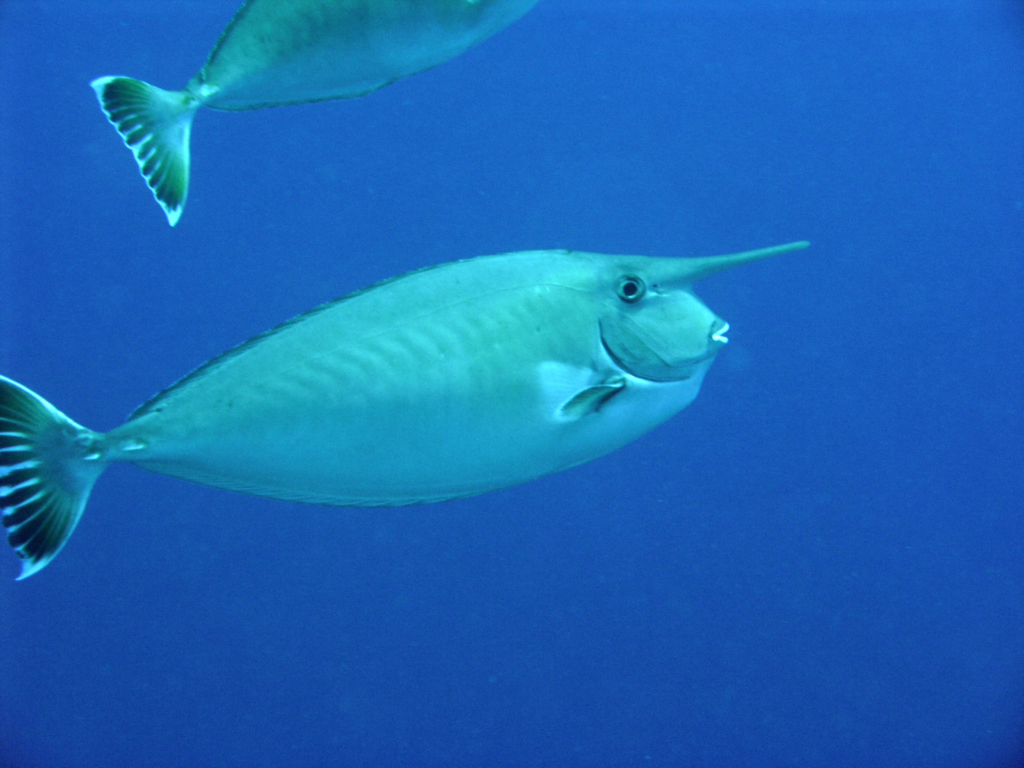
Another characteristic that sets unicorn fish apart is their streamlined body shape. Their sleek design allows them to swim efficiently through reef environments and open waters. Most species feature vibrant shades of blue, gray, yellow, and orange, helping them blend into their surroundings while also attracting mates.
The size of unicorn fish varies depending on the species. Some remain relatively small, while others can grow over two feet long. Their large size compared to many reef fish often makes them a noticeable presence in underwater ecosystems.
Habitat and Distribution of Unicorn Fish Around the World
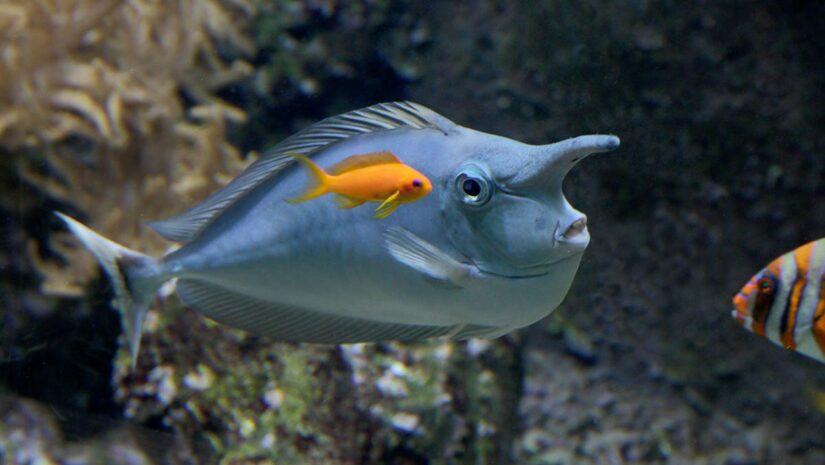
Unicorn fish inhabit tropical and subtropical marine environments throughout the Indo-Pacific region. They are commonly found near coral reefs, lagoons, rocky coastlines, and oceanic islands. Their distribution extends from the eastern coast of Africa to Hawaii and throughout Southeast Asia and the Pacific Islands.
Coral reefs provide the ideal environment for unicorn fish because these ecosystems offer abundant food sources and protection from predators. Reef structures create complex habitats where unicorn fish can graze on algae and interact with other marine species. The health of coral reef ecosystems is therefore closely connected to the well-being of unicorn fish populations.
Many species prefer shallow waters during their juvenile stages. These areas provide shelter from larger predators and contain rich feeding grounds. As they mature, unicorn fish may move into deeper reef zones and open coastal waters where food resources remain plentiful.
Environmental factors such as water temperature, salinity, and reef health significantly influence the distribution of unicorn fish. Regions with stable tropical conditions support larger populations, while environmental disturbances can lead to population declines. Climate change and habitat degradation are increasingly affecting the ecosystems where these fish thrive.
Their wide geographic distribution demonstrates their adaptability, but healthy coral reef systems remain essential for sustaining robust unicorn fish populations across the globe.
Diet, Feeding Behavior, and Ecological Importance

One of the most important aspects of unicorn fish biology is their role as herbivores and algae grazers. Most species primarily consume algae growing on rocks, coral surfaces, and reef structures. By feeding on algae, they help prevent excessive growth that could otherwise smother corals and disrupt reef ecosystems.
Their feeding behavior contributes significantly to ecological balance. Algae can quickly dominate coral reefs if left unchecked, reducing biodiversity and limiting coral growth. Unicorn fish act as natural reef cleaners, helping maintain healthy conditions for countless marine organisms.
Some species supplement their diet with zooplankton and small organic particles found in the water column. This dietary flexibility allows them to adapt to varying environmental conditions and food availability. Their feeding strategies often change depending on age, habitat, and seasonal factors.
Unicorn fish typically spend much of their day actively searching for food. They may feed individually or in groups, covering large areas of reef habitat while grazing. This constant movement helps distribute nutrients throughout the ecosystem and supports overall reef productivity.
Marine scientists consider unicorn fish important indicators of reef health. Healthy populations often suggest balanced ecosystems, while declines may signal environmental stress or habitat degradation. Their ecological contributions make them valuable components of marine conservation efforts worldwide.
Behavior, Reproduction, and Social Structure
Unicorn fish exhibit fascinating social behaviors that vary among species. Some are solitary, while others form schools that can include dozens or even hundreds of individuals. Schooling behavior offers protection from predators and enhances feeding efficiency.
Communication among unicorn fish relies on body movements, color displays, and spatial positioning. The horn-like structure may also play a role in social interactions, particularly during competition and courtship. Although researchers continue to study these behaviors, evidence suggests that physical appearance influences social dynamics within populations.
Reproduction generally occurs through spawning events in which males and females release eggs and sperm into the water column. Fertilization takes place externally, and the resulting larvae drift with ocean currents before settling into suitable habitats. This reproductive strategy enables broad geographic dispersal and genetic diversity.
Juvenile unicorn fish often display different coloration patterns than adults. These changes help protect young fish from predators and allow them to occupy different ecological niches during development. As they mature, their appearance gradually transforms into the distinctive features associated with adult unicorn fish.
Seasonal environmental conditions frequently influence reproductive activity. Factors such as water temperature, food availability, and lunar cycles may affect spawning success. These complex biological processes contribute to the long-term survival of unicorn fish populations throughout tropical oceans.
Conservation Challenges and the Future of Unicorn Fish
Despite their adaptability, unicorn fish face several environmental challenges. Habitat destruction remains one of the most significant threats. Coral reef degradation caused by pollution, coastal development, destructive fishing practices, and climate change directly impacts the ecosystems these fish depend upon.
Ocean warming poses an additional concern. Rising sea temperatures contribute to coral bleaching events that damage reef habitats. When coral reefs decline, food sources and shelter become less available for unicorn fish and numerous other marine species.
Overfishing also affects certain populations. In some regions, unicorn fish are harvested for food or collected for the aquarium trade. Unsustainable fishing practices can reduce local populations and disrupt ecological balance within reef communities.
Conservation efforts focus on protecting marine habitats, establishing marine protected areas, and promoting sustainable fisheries management. Reef restoration projects and environmental education programs also play essential roles in preserving the ecosystems that support unicorn fish populations.
The future of unicorn fish depends largely on global efforts to protect ocean biodiversity. By conserving coral reefs, reducing pollution, and addressing climate-related challenges, societies can help ensure that these remarkable marine animals continue to thrive for generations to come.
Frequently Asked Questions (FAQs)
1. What is a unicorn fish?
A unicorn fish is a marine fish belonging to the genus Naso, known for its horn-like forehead projection.
2. Why is it called a unicorn fish?
It is named after the horn-like structure that resembles the horn of a mythical unicorn.
3. Where do unicorn fish live?
They live in tropical and subtropical waters, particularly around coral reefs in the Indo-Pacific region.
4. What do unicorn fish eat?
Most unicorn fish primarily feed on algae and other plant-based marine material.
5. Are all unicorn fish born with horns?
No, some species develop horns as they mature, while others have only small protrusions.
6. Are unicorn fish dangerous?
No, unicorn fish are generally harmless to humans.
7. How large can unicorn fish grow?
Depending on the species, some unicorn fish can exceed two feet in length.
8. Do unicorn fish live alone or in groups?
They may live alone or form schools, depending on the species and environmental conditions.
9. What role do unicorn fish play in coral reefs?
They help control algae growth and contribute to maintaining healthy reef ecosystems.
10. Are unicorn fish endangered?
Conclusion
The unicorn fish is one of the ocean’s most distinctive and ecologically important marine species. Its unique horn-like appearance, vibrant coloration, and essential role in maintaining healthy coral reefs make it a fascinating subject for marine enthusiasts and scientists alike.
From their tropical habitats and algae-based diets to their complex social behaviors and conservation challenges, unicorn fish demonstrate the incredible diversity of life beneath the sea. Protecting these extraordinary fish requires ongoing commitment to reef conservation and sustainable environmental practices. As awareness grows, unicorn fish can continue serving as ambassadors for the beauty and importance of marine ecosystems around the world.
