
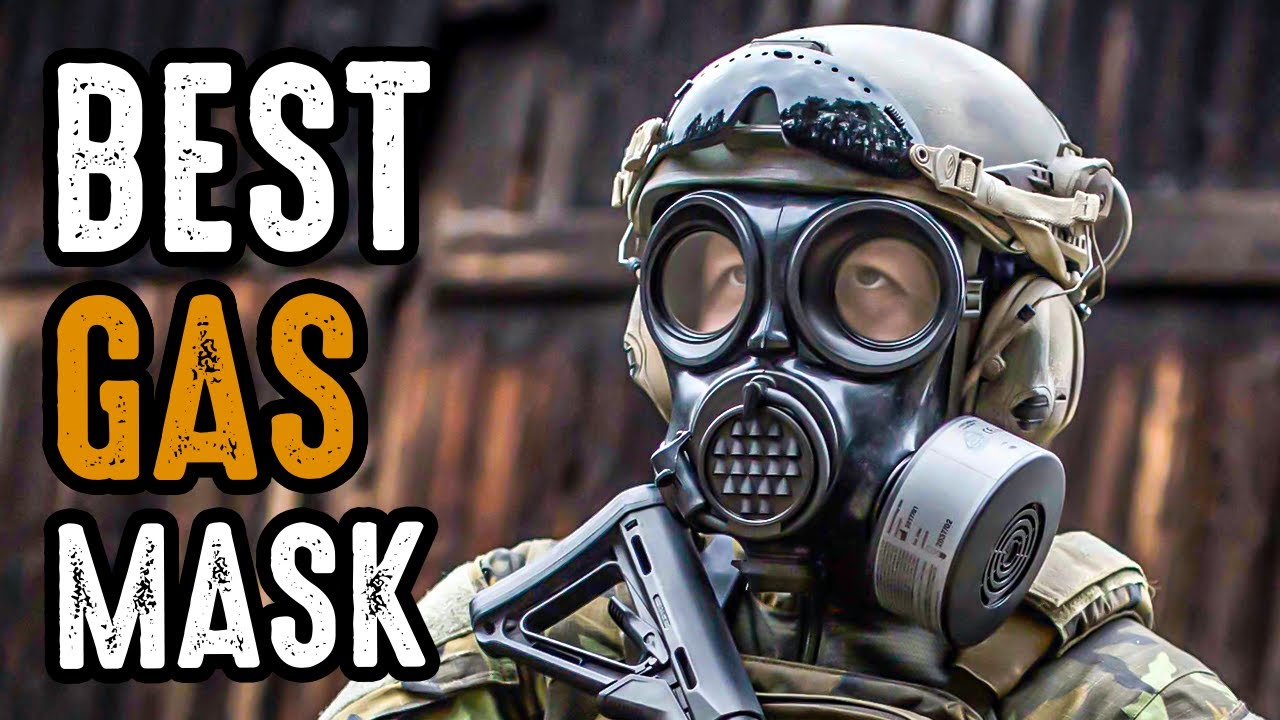

The term military gas mask is often searched by people interested in survival gear, military history, tactical equipment, or protective technology. A military gas mask is designed to protect soldiers from harmful airborne threats such as toxic chemicals, smoke, biological particles, and certain hazardous environments. It has been an important part of military defense equipment for more than a century.
Today, the military gas mask is more advanced than ever. Modern versions include better filters, improved visibility, stronger seals, hydration systems, communication support, and compatibility with helmets and tactical gear. In this complete guide, we will explain everything you need to know about military gas masks, including their history, how they work, features, types, benefits, limitations, and modern uses.
Military Gas Mask Overview
A military gas mask is a full-face protective mask that creates a seal around the face and filters contaminated air before the user breathes it in. Unlike simple dust masks, military models are built for high-risk conditions and battlefield environments.
Main Purpose of a Military Gas Mask
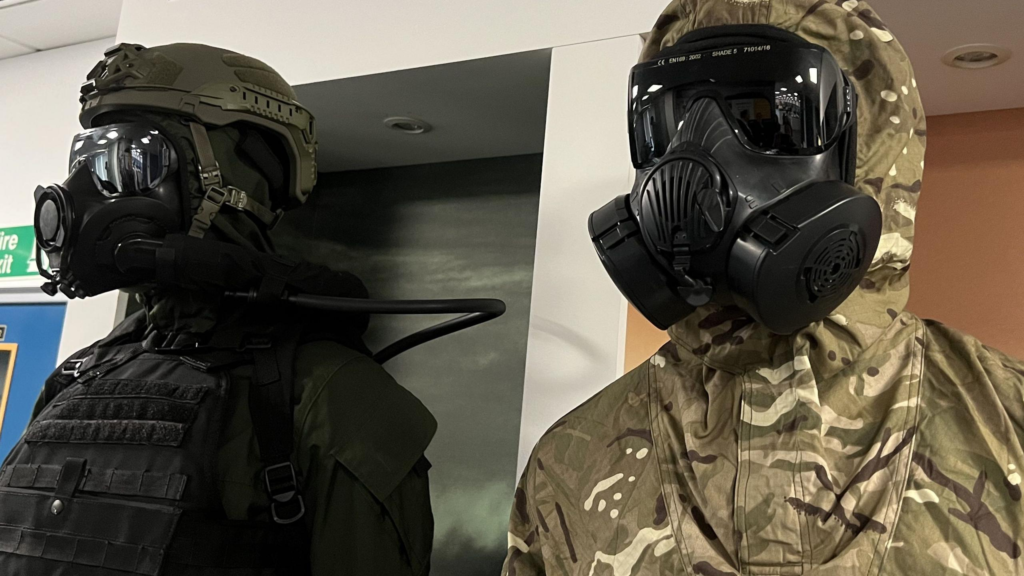
The primary role of a military gas mask is protection against:
- Chemical agents
- Biological particles
- Smoke
- Dust
- Tear gas
- Certain radioactive particles
- Industrial airborne hazards
Modern military masks are often called CBRN masks, which stands for Chemical, Biological, Radiological, and Nuclear protection.
History of the Military Gas Mask
The history of the military gas mask became especially important during World War I when chemical warfare changed battlefield tactics.
Early Development
Primitive protective masks existed before modern warfare, but large-scale military demand increased when toxic gas attacks were introduced in the early 1900s.
World War I
During World War I, armies developed masks rapidly after chlorine gas attacks. Early designs were basic cloth coverings and soaked pads, but later versions added proper facepieces, lenses, and filter systems.
World War II
Gas masks became standard issue for soldiers and many civilians. Large numbers were manufactured for emergency preparedness.
Cold War Era
During the Cold War, many nations improved protective masks to prepare for chemical and nuclear threats.
Modern Era
Today’s military masks are lighter, more comfortable, and far more effective than earlier generations.
How a Military Gas Mask Works
Many people ask how a military gas mask actually works.
The mask uses two main systems:
1. Airtight Seal
The facepiece seals around the nose, mouth, and eyes. This prevents outside contaminated air from entering through gaps.
2. Filter System
Air passes through a filter canister that traps or neutralizes dangerous particles and chemicals before the user breathes.
Typical Filter Components
- Activated carbon layers
- Particle filtration media
- Chemical absorbent materials
- Protective screens
This combination allows safer breathing in many hazardous environments.
Key Military Gas Mask Features
Modern military gas mask designs include several important features.
Full Face Protection
The eyes, nose, and mouth are covered, which is important because some agents can irritate or damage the eyes.
Wide Lens Visibility
Modern masks use large impact-resistant visors for improved awareness.
Replaceable Filters
Used filters can be changed when needed.
Drinking System
Some masks include hydration tubes so soldiers can drink water without removing the mask.
Voice Communication
Advanced models support microphones or voice diaphragms.
Helmet Compatibility
Masks are designed to work with helmets and tactical gear.
Types of Military Gas Mask Designs
Not every military gas mask looks the same. Different missions require different designs.
Standard Full-Face Mask
The most common type, offering balanced protection and visibility.
Side-Filter Mask
The filter mounts on one side, allowing easier weapon use.
Dual-Filter Mask
Uses two filters for airflow and balance.
Powered Air Mask
Uses a powered fan system to assist breathing in some specialized environments.
Escape Mask
Lightweight mask designed for rapid emergency evacuation rather than long combat use.
Military Gas Mask vs Civilian Gas Mask
Many people compare a military gas mask with commercial or civilian masks.
| Feature | Military Gas Mask | Civilian Mask |
|---|---|---|
| Durability | High | Medium |
| Battlefield Use | Yes | Usually No |
| Tactical Compatibility | Yes | Limited |
| Communication Support | Often Included | Rare |
| Long-Term Use | Better | Varies |
| Rugged Build | Strong | Depends on Brand |
Military masks are built for demanding environments, while civilian masks are usually made for industrial or emergency use.
Military Gas Mask Uses Today
The military gas mask is not limited to battlefield situations.
Armed Forces
Used during training, chemical defense exercises, and operational deployments.
Special Units
Some law enforcement and tactical teams use similar protective masks.
Emergency Response
Hazmat and disaster response teams may use advanced respirator systems.
Collectors and Museums
Historic military masks are popular among collectors.
Training and Preparedness
Some people study protective equipment for emergency readiness.
Benefits of a Military Gas Mask
There are several reasons why the military gas mask remains important.
Reliable Protection
Designed to meet strict protection standards.
Strong Build Quality
Made for harsh environments.
Better Field Performance
Works with helmets, optics, and tactical equipment.
Eye Protection
Full-face coverage helps protect sensitive areas.
Improved Confidence
Protective gear can help users operate more effectively in hazardous settings.
Limitations of a Military Gas Mask
Even the best military gas mask has limits.
Limited Filter Life
Filters do not last forever and must be replaced.
Fit Matters
A poor seal reduces protection.
Heat and Fatigue
Wearing a mask for long periods can be uncomfortable.
Not Full Body Protection
Some hazards require protective suits, gloves, and boots too.
Training Required
Users need practice to wear and operate masks correctly.
Popular Military Gas Mask Models in History
Many famous mask models have been used around the world.
M17 Protective Mask
Used by the United States military for decades.
M40 Field Protective Mask
Later U.S. military standard with improved design.
M50 Series
Modern U.S. protective mask platform.
M15 Mask
Widely known Israeli protective mask.
Different countries developed their own systems based on mission needs.
How to Choose a Military Gas Mask
People searching military gas mask often want buying guidance. Focus on legal, safe, and reputable options.
Consider These Factors
- Correct sizing
- Filter availability
- Modern certification standards
- Comfort
- Lens quality
- Communication needs
- Weight
- Intended use
Avoid Old Unknown Surplus Gear
Very old surplus masks may have damaged rubber, expired filters, or uncertain storage history.
Military Gas Mask Maintenance Tips
Proper care extends service life.
Cleaning
Wipe and clean according to manufacturer instructions.
Storage
Store in a cool, dry place away from sunlight.
Inspect Seals
Check straps, valves, and face seals regularly.
Replace Filters
Never rely on expired or damaged filters.
Practice Fit Checks
Make sure the mask seals properly before use.
Military Gas_Mask in Popular Culture
The military gasmask has become a powerful visual symbol in movies, games, and media.
Why It Appears Often
- Represents danger
- Suggests survival themes
- Looks tactical and futuristic
- Linked to war history
- Common in post-apocalyptic stories
This explains why military gas masks are popular in gaming and entertainment.
Military Gas_Mask and Survival Interest
Preparedness communities often research the military gas_mask because respiratory protection is a common emergency topic.
However, real preparedness should include:
- Training
- Safe shelter planning
- First aid knowledge
- Water storage
- Communication plans
- Verified protective equipment
A mask alone is not a complete emergency solution.
Frequently Asked Questions About Military Gas_Mask
What does a military gas_mask protect against?
Depending on the filter and model, it may help protect against chemical vapors, particles, smoke, and biological aerosols.
Can you wear glasses with a military gas mask?
Some masks support lens inserts instead of standard glasses.
How long does a filter last?
It depends on the environment, concentration, and filter type. Replace according to manufacturer guidance.
Is a military gas_mask comfortable?
Modern masks are more comfortable than old designs, but extended wear can still be tiring.
Are old surplus masks safe?
Not always. Age, storage conditions, and expired filters can create problems.
Why the Military Gas_Mask Still Matters
The military gas_mask remains relevant because modern threats still include smoke, hazardous chemicals, and contaminated environments. Protective gear continues to evolve as technology improves.
Today’s masks are smarter, lighter, and more efficient than earlier versions. They represent the combination of engineering, safety science, and battlefield readiness.
Final Verdict on Military Gas Mask
The military gas_mask is one of the most important protective tools ever developed for defense and hazardous environments. From World War I beginnings to modern CBRN systems, it has evolved into advanced life-saving equipment.
Whether you are interested in military history, preparedness, tactical gear, or protective technology, understanding how a military gas mask works helps explain why it remains essential around the world.
