
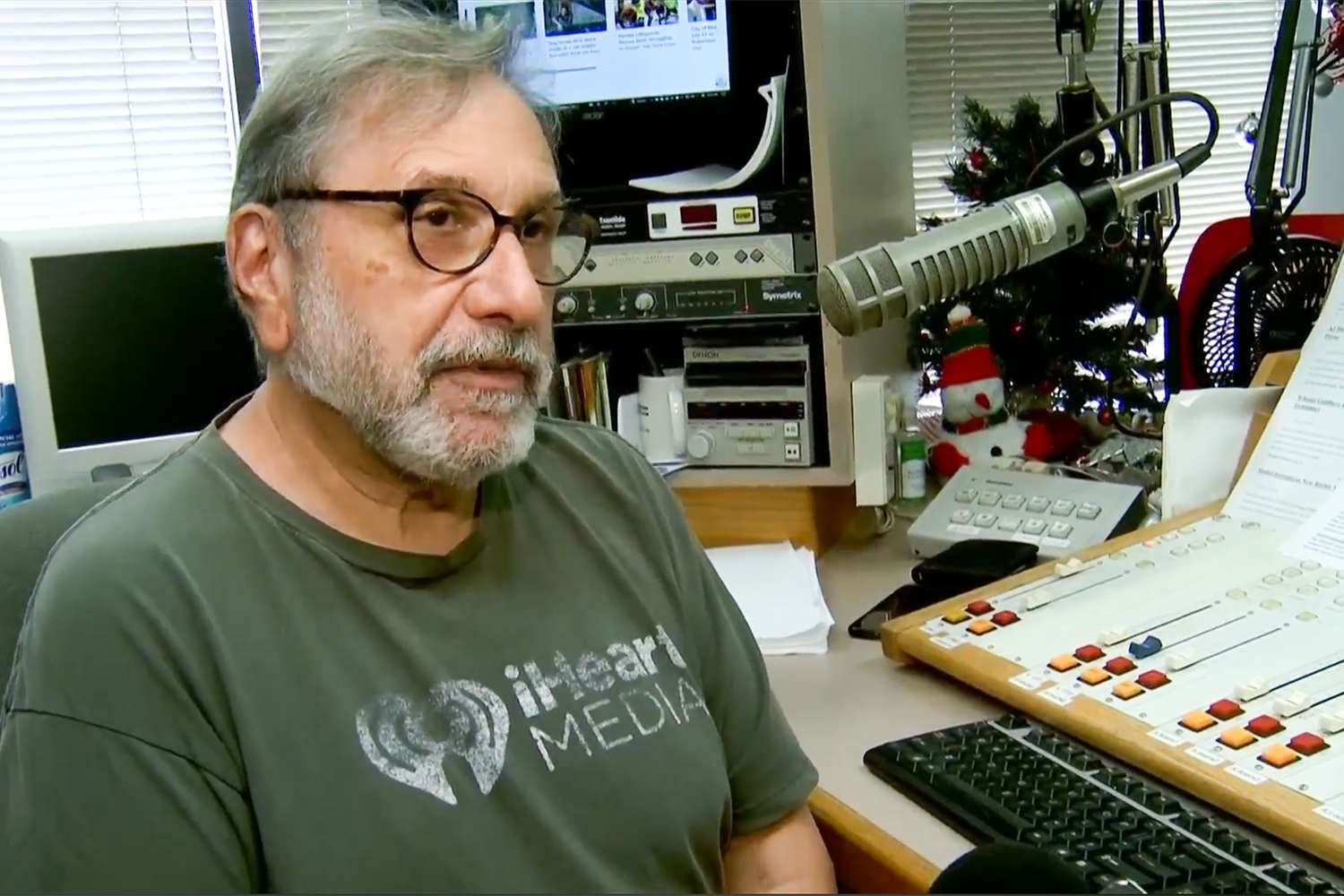

In today’s fast-moving media world, a radio personality plays a crucial role in connecting audiences with entertainment, news, music, and conversations. Despite the rise of podcasts and digital streaming, radio continues to be a powerful medium that reaches millions of listeners daily. At the heart of this industry is the radio personality, the voice that engages, entertains, and informs the audience.
What Is a Radio Personality?
A radio personality is a professional who hosts radio programs on FM, AM, or digital stations. Their main job is to communicate with listeners in an engaging, entertaining, and informative way.
A radio personality is not just a speaker—they are also:
- a storyteller
- a presenter
- an entertainer
- sometimes a journalist or interviewer
Their voice is the main tool used to connect with the audience and keep them engaged throughout the program.
Role of a Radio Personality in the Media Industry
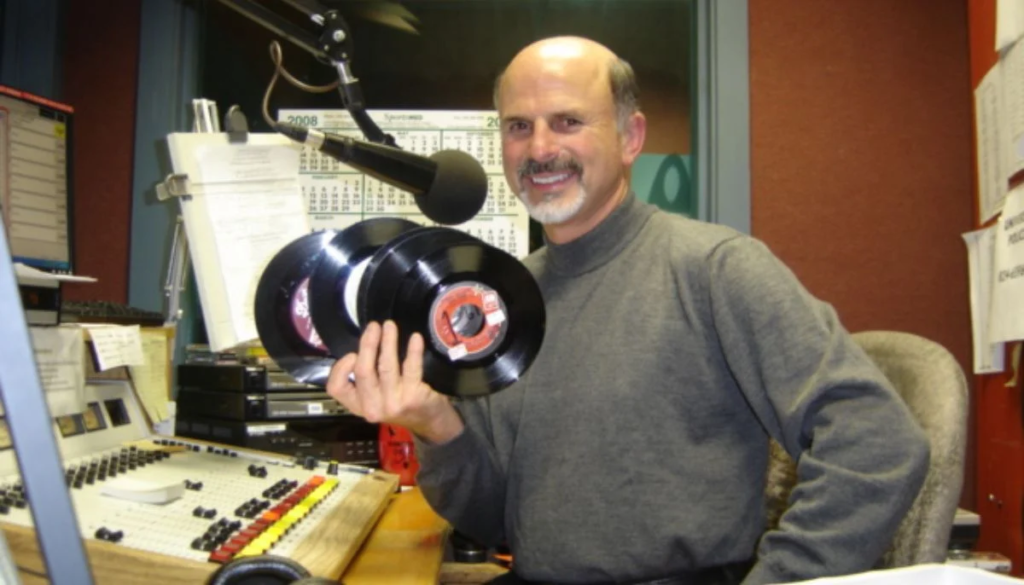
A radio personality acts as a bridge between the radio station and its listeners. They bring content to life through voice, personality, and interaction.
Key Responsibilities:
- Hosting live radio shows
- Introducing songs and segments
- Interviewing guests and celebrities
- Taking listener calls and requests
- Sharing news, updates, and announcements
- Creating engaging conversations
Their role goes beyond speaking—they help shape the overall experience of the radio program.
Skills Required to Become a Radio Personality

To succeed as a radio personality, certain essential skills are required.
1. Strong Communication Skills
Clear, confident, and expressive speaking is the foundation of radio hosting.
2. Voice Control and Modulation
A good radio personality knows how to adjust tone, pitch, and pace to keep listeners engaged.
3. Confidence
Live broadcasting requires confidence, especially when handling unexpected situations.
4. Creativity
Creative thinking helps make shows more entertaining and unique.
5. Quick Decision-Making
Live radio often involves spontaneous calls, reactions, and changes.
6. Technical Awareness
Basic knowledge of microphones, sound systems, and broadcasting tools is helpful.
How to Become a Radio Personality
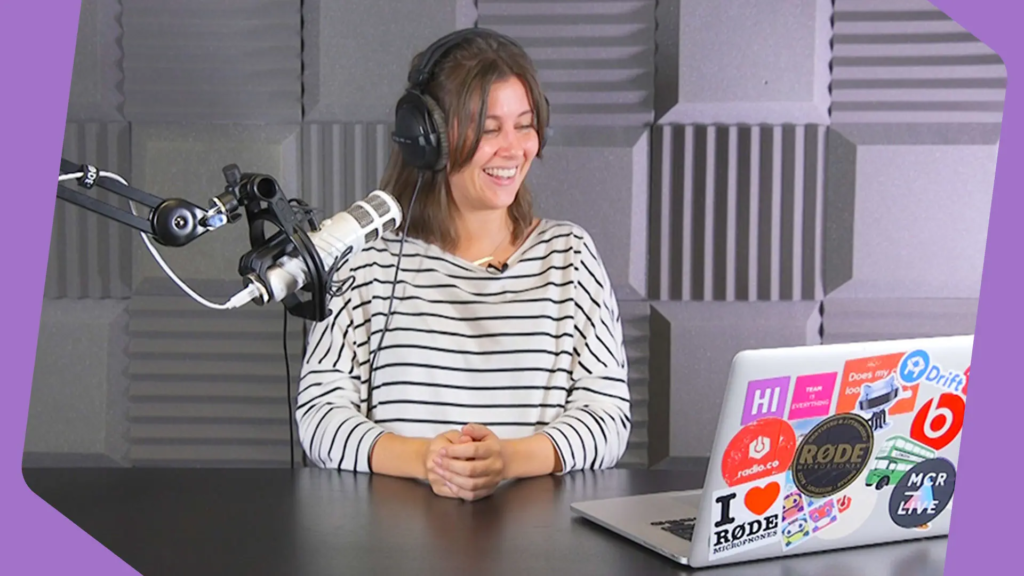
The journey to becoming a radio personality involves education, practice, and experience.
Step 1: Education
Many professionals study:
- Mass Communication
- Journalism
- Media Studies
- Broadcasting or related fields
Step 2: Training and Internships
Hands-on experience at radio stations helps build practical skills.
Step 3: Start with Small Platforms
Beginners often start with:
- Community radio
- College radio
- Online streaming shows
Step 4: Build a Demo Reel
A voice demo showcasing your hosting ability is essential for job applications.
Step 5: Apply to Radio Stations
With experience and confidence, you can join professional FM or digital radio networks.
Audience Connection and Engagement
A successful radio personality knows how to build a strong emotional connection with listeners.
Engagement Techniques:
- Friendly and conversational tone
- Humor and storytelling
- Live listener interaction
- Request-based song selection
- Personal experiences sharing
The stronger the connection, the more successful the radio show becomes.
Famous Radio Personalities (Global Examples)
Some well-known radio personality figures have shaped the broadcasting industry worldwide.
Notable Names:
- Howard Stern – Known for his bold and influential radio style
- Ryan Seacrest – Entertainment and radio hosting icon
- Delilah – Famous for emotional storytelling and music dedication shows
These personalities have made radio a global entertainment platform.
Radio Personality in the Digital Era
The role of a radio personality has evolved significantly with digital technology.
Modern Platforms Include:
- Online radio streaming
- Podcast hosting
- YouTube audio shows
- Social media live sessions
Today, radio personalities are not limited to FM stations—they can reach a global audience online.
Radio Personality and Podcasting
Podcasting has become an important extension of radio broadcasting.
Differences Between Radio and Podcast:
- Radio: Live and scheduled content
- Podcast: On-demand and flexible content
Many modern radio personality professionals now work in both fields.
Lifestyle of a Radio Personality
The lifestyle of a radio personality is dynamic and unpredictable.
Daily Routine May Include:
- Preparing show scripts
- Selecting music playlists
- Hosting live shows
- Interviewing guests
- Engaging with listeners
Work hours can vary, including early mornings or late-night shows.
Challenges Faced by Radio Personalities
Being a radio personality comes with several challenges.
Common Challenges:
- Vocal strain from continuous speaking
- Pressure of live broadcasting
- High competition in media industry
- Irregular working hours
- Maintaining audience interest
Despite challenges, passion keeps professionals motivated.
Future Scope of Radio Personality Careers
The future of the radio personality profession remains strong due to digital expansion.
Growth Areas:
- Podcasting industry growth
- Online radio platforms
- Global media streaming networks
- Social media integration
As media consumption increases, demand for skilled radio hosts continues.
Benefits of Becoming a Radio Personality
There are many advantages in this career:
- Public recognition and fame
- Creative freedom in content
- Networking opportunities
- Media industry exposure
- Flexible career options
It is a rewarding profession for people who love communication.
Impact of Radio Personality on Society
A radio personality can influence public opinion and culture.
They contribute by:
- Spreading awareness campaigns
- Sharing news and updates
- Promoting music and culture
- Discussing social issues
Their voice can reach thousands or even millions of people.
Media Influence and Importance
Radio remains an important medium, especially for local and regional audiences.
A radio personality helps:
- Deliver emergency information
- Support community engagement
- Promote local talent
- Keep audiences informed and entertained
This makes radio a powerful communication tool.
FAQs About Radio Personality
What is a radio personality?
A radio personality is someone who hosts and presents radio programs.
What skills are needed to become a radio personality?
Communication, confidence, creativity, and voice control are essential.
Is radio personality a good career?
Yes, especially with the growth of digital media and podcasting.
Do radio personalities work only on FM radio?
No, they also work in podcasts and online streaming platforms.
Conclusion: The Importance of a Radio Personality
A radio personality is more than just a voice on air—they are entertainers, communicators, and influencers who shape listener experiences.
Even in the digital age, radio continues to evolve, and radio personalities remain a key part of the media industry. With the rise of podcasts and online platforms, this career has become more dynamic and globally connected than ever.
