

Introduction
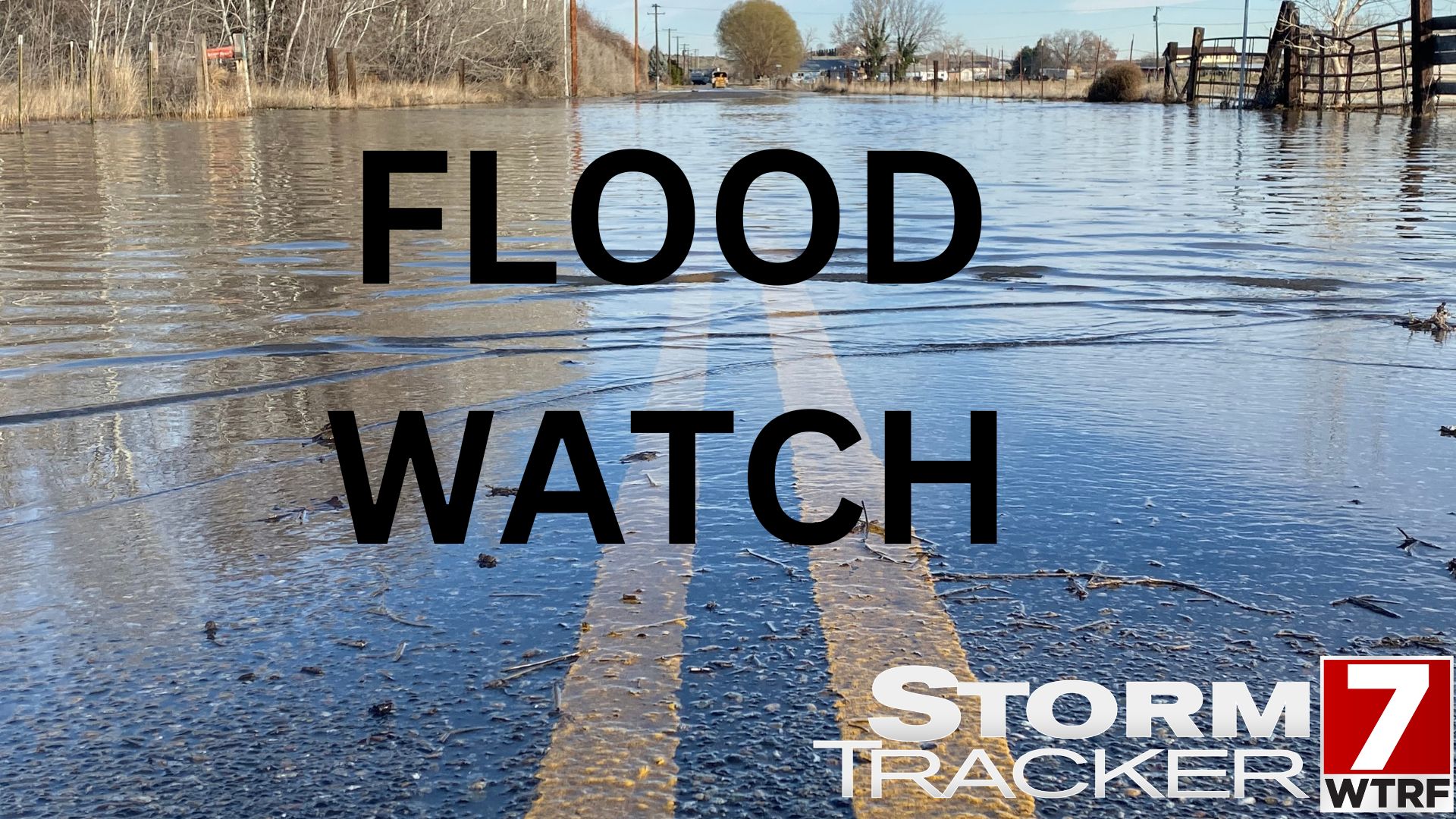
A flood watch is one of the most important weather alerts issued during periods of heavy rainfall, severe storms, or rapidly rising water levels. It serves as an early warning that flooding may occur in a specific area, giving residents time to prepare, stay informed, and protect themselves from potential danger. Flood-related disasters affect millions of people worldwide every year, damaging homes, roads, businesses, and entire communities. Understanding what a flood watch means can make the difference between safety and catastrophe.
As climate change increases the frequency of extreme weather events, the importance of flood preparedness continues to grow. Rivers overflow, urban drainage systems fail, and flash floods develop within minutes during intense storms. A flood watch is not just another weather notification—it is a critical alert that encourages people to act before conditions become life-threatening. From emergency planning to understanding flood risks, learning how flood watches work can help families and communities stay safe during dangerous weather situations.
Understanding What a Flood Watch Means
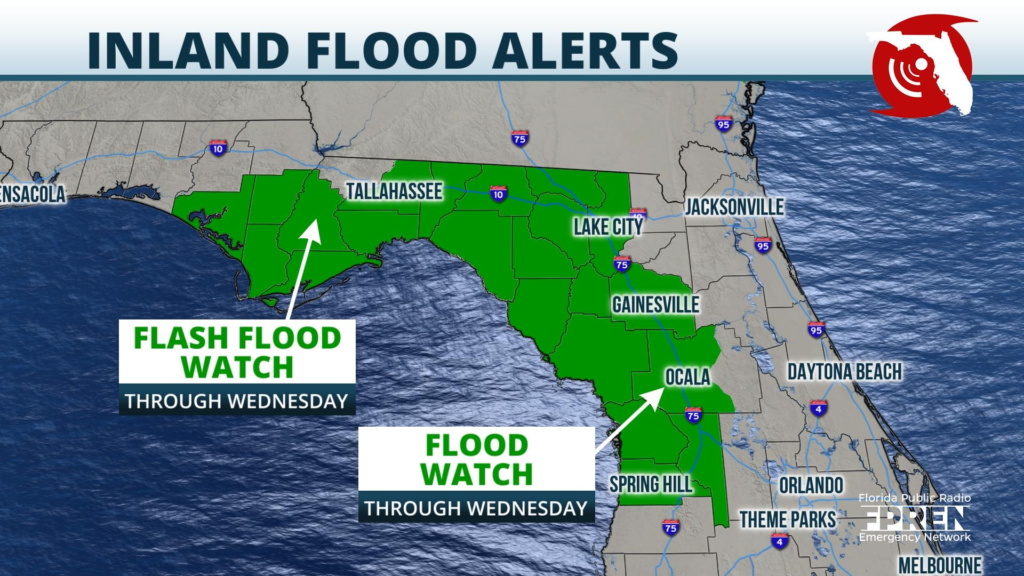
A flood watch is a weather alert issued when conditions are favorable for flooding in a particular region. It does not necessarily mean flooding is already happening, but it indicates that heavy rainfall, overflowing rivers, or storm systems could create flood conditions soon. Meteorological agencies monitor rainfall patterns, river levels, soil saturation, and weather forecasts before issuing these alerts to the public.
Many people confuse a flood watch with a flood warning, but there is a major difference between the two. A flood watch means people should prepare and remain alert because flooding is possible. A flood warning, however, means flooding is already occurring or expected very soon, requiring immediate action. Understanding this distinction is essential for emergency preparedness and personal safety during severe weather events.
Flood watches are often issued during hurricanes, tropical storms, monsoon seasons, or prolonged periods of heavy rainfall. Urban areas are especially vulnerable because roads, parking lots, and buildings prevent water from soaking into the ground naturally. As a result, stormwater quickly accumulates and increases the risk of flash floods.
In rural regions, flood watches may focus on rivers, dams, or low-lying farmland where rising water levels threaten communities. Snowmelt in mountainous areas can also contribute to flooding during warmer seasons. Weather experts use advanced forecasting technology to predict flood risks and warn the public before disaster strikes.
Flood watches are important because they provide valuable preparation time. Residents can gather emergency supplies, move valuables to higher ground, charge communication devices, and review evacuation routes. Businesses and local governments can also activate emergency response plans to reduce damage and protect public safety.
Common Causes of Flood Watches and Flooding Events
Flooding can occur for many reasons, but heavy rainfall remains the most common cause behind a flood watch alert. Intense storms can overwhelm drainage systems, rivers, and lakes, causing water to spill into streets and neighborhoods. When rain falls faster than the ground can absorb it, dangerous flooding conditions develop rapidly.
Flash floods are particularly dangerous because they happen suddenly and with little warning. These floods often occur after severe thunderstorms or cloudbursts that release massive amounts of water in a short time. Streets can become rivers within minutes, trapping vehicles and endangering lives. Flash flooding is especially common in urban areas where concrete surfaces prevent natural drainage.
Tropical storms and hurricanes are another major source of flooding. Strong storm systems bring heavy rainfall, storm surges, and high winds that increase flood risks across coastal and inland regions. During hurricane season, flood watches are frequently issued to warn communities about rising water levels and possible evacuation needs.
River flooding develops more gradually but can be equally destructive. Continuous rainfall upstream causes rivers to rise slowly over several days until they overflow into surrounding areas. Agricultural lands, homes, and infrastructure near rivers are especially vulnerable to this type of flooding.
Climate change has also intensified flood risks worldwide. Rising global temperatures increase atmospheric moisture, leading to more extreme rainfall events. Scientists have observed stronger storms and more frequent weather disasters in recent years. As weather patterns continue changing, flood watches are becoming increasingly common in many regions.
Human activities also contribute to flooding problems. Deforestation, poor urban planning, clogged drainage systems, and uncontrolled construction reduce the environment’s ability to manage excess water naturally. Cities with inadequate drainage infrastructure face greater risks during heavy storms, highlighting the importance of sustainable development and environmental protection.
How to Prepare During a Flood Watch
When a flood watch is issued, preparation becomes essential for protecting lives and property. The first step is staying informed through weather updates, emergency alerts, and local news broadcasts. Conditions can change quickly during severe weather, and updated forecasts provide critical guidance for residents in affected areas.
Creating an emergency kit is one of the most effective ways to prepare for flooding. Essential supplies should include drinking water, non-perishable food, flashlights, batteries, medications, first aid items, important documents, and portable phone chargers. Families should also prepare emergency contact information and communication plans in case evacuation becomes necessary.
Protecting property is another important step during a flood watch. Residents can move valuables, electronics, and important belongings to higher floors or elevated areas. Sandbags may help prevent water from entering homes, while clearing gutters and drains improves water flow around buildings. Vehicles should also be moved away from flood-prone streets and low-lying areas.
Understanding evacuation routes is crucial during severe flooding threats. Communities often identify designated shelters and safe routes before disasters occur. People living near rivers, coastal regions, or flood-prone neighborhoods should know where to go if authorities issue evacuation orders.
Businesses and schools also play an important role in flood preparedness. Emergency response plans, backup communication systems, and employee safety procedures help organizations respond effectively during severe weather. Schools may cancel classes or transition to remote learning when flood conditions threaten transportation safety.
Pet safety should never be overlooked during flooding emergencies. Families should include pet food, medications, carriers, and identification tags in emergency kits. Many evacuation shelters now accommodate pets, but preparation remains essential to ensure animal safety during disasters.
Preparedness reduces panic and increases survival during flood emergencies. Communities that plan ahead recover faster and experience fewer casualties compared to those caught unprepared. A flood watch is a valuable warning that gives people time to act before dangerous conditions worsen.
The Impact of Flooding on Communities and the Environment
Flooding has devastating effects on communities, economies, and ecosystems. A severe flood watch often signals the possibility of widespread destruction if heavy rainfall continues unchecked. Homes, schools, hospitals, roads, and businesses can suffer extensive damage within hours of major flooding events.
Economic losses from floods are enormous. Repairing infrastructure, rebuilding homes, and restoring public services require billions of dollars annually worldwide. Small businesses are particularly vulnerable because flood damage can interrupt operations for weeks or months. In severe cases, entire communities face long-term economic hardship after major disasters.
Flooding also creates serious health risks. Contaminated water spreads bacteria, viruses, and hazardous chemicals that threaten public health. Mold growth inside flooded buildings causes respiratory problems, while stagnant water increases mosquito populations and disease risks. Access to clean drinking water often becomes limited after severe floods.
Mental health impacts are another major concern following flood disasters. Families who lose homes, possessions, or loved ones may experience stress, anxiety, and trauma long after floodwaters recede. Recovery can take months or even years depending on the severity of the disaster.
Environmental damage from flooding can be both harmful and beneficial. Excessive flooding erodes soil, destroys wildlife habitats, and spreads pollution into rivers and oceans. Industrial chemicals and waste materials may contaminate ecosystems, affecting aquatic life and agriculture.
However, natural flooding also plays an important role in some ecosystems. Floodplains receive nutrient-rich sediments that support agriculture and biodiversity. Wetlands rely on seasonal flooding to maintain ecological balance and provide habitats for countless species. The challenge lies in balancing natural flood cycles with human safety and development.
Governments and environmental organizations continue investing in flood prevention systems such as levees, dams, improved drainage networks, and wetland restoration projects. Sustainable urban planning and climate adaptation strategies are increasingly important as flood risks continue rising worldwide.
The Future of Flood Watches and Weather Preparedness
The future of flood watch systems is closely tied to advancements in weather forecasting technology and climate science. Modern meteorological tools now use satellites, radar systems, artificial intelligence, and predictive modeling to detect potential flood conditions earlier and more accurately than ever before.
Improved forecasting allows authorities to issue flood watches with greater precision. Early warning systems help emergency responders coordinate evacuations, distribute supplies, and protect vulnerable populations before disasters occur. Mobile phone alerts and digital communication platforms have also made weather warnings more accessible to the public.
Climate change adaptation will play a major role in future flood management. Rising sea levels, stronger storms, and increased rainfall intensity are forcing governments to rethink infrastructure design and disaster preparedness strategies. Coastal cities and flood-prone communities are investing heavily in resilient construction and flood protection systems.
Smart cities are also using technology to reduce flood risks. Sensors installed in drainage systems, rivers, and reservoirs provide real-time monitoring of water levels. Artificial intelligence can analyze weather patterns and predict flood-prone areas before storms arrive. These innovations improve emergency response and reduce property damage.
Public education remains essential for future preparedness. Communities that understand flood risks and emergency procedures are more likely to respond effectively during disasters. Schools, businesses, and local governments continue promoting awareness campaigns focused on flood safety and climate resilience.
International cooperation is another key factor in managing future flood threats. Climate-related disasters often affect multiple countries simultaneously, requiring coordinated responses and shared resources. Scientists, engineers, and policymakers worldwide are working together to improve flood prediction, infrastructure resilience, and disaster recovery strategies.
As extreme weather events become more common, the importance of flood watches will continue growing. Early warnings, advanced technology, and community preparedness will remain critical tools in protecting lives and reducing the devastating impact of floods across the globe.
Frequently Asked Questions (FAQs)
1. What is a flood watch?
A flood watch is a weather alert indicating that flooding is possible due to heavy rainfall or rising water levels.
2. What is the difference between a flood watch and a flood warning?
A flood watch means flooding could happen, while a flood warning means flooding is already occurring or imminent.
3. What causes flood watches to be issued?
Flood watches are typically issued because of heavy rain, storms, hurricanes, snowmelt, or rising river levels.
4. Are flash floods dangerous?
Yes, flash floods are extremely dangerous because they develop quickly and can sweep away vehicles and people.
5. How should families prepare for a flood watch?
Families should gather emergency supplies, stay updated on weather alerts, and know evacuation routes.
6. Can flooding happen in urban areas?
Yes, cities are highly vulnerable because concrete surfaces prevent water from draining naturally.
7. How does climate change affect flooding?
Climate change increases extreme rainfall and severe storms, leading to more frequent flooding events.
8. What should people avoid during floods?
People should avoid driving through flooded roads, walking in floodwaters, and ignoring evacuation orders.
9. How do governments reduce flood risks?
Governments use levees, drainage systems, dams, flood barriers, and emergency preparedness programs.
10. Why are flood watches important?
Flood watches provide early warnings that allow communities to prepare before dangerous flooding occurs.
Conclusion
A flood watch is far more than a simple weather alert—it is an essential warning system designed to protect lives, property, and communities from dangerous flooding conditions. Understanding the causes of flooding, preparing emergency plans, and staying informed during severe weather are critical steps in reducing risks and improving safety.
As climate change increases the frequency of extreme weather events, flood preparedness has become more important than ever before. Communities must invest in education, sustainable infrastructure, and advanced forecasting systems to adapt to growing environmental challenges. By taking flood watches seriously and preparing ahead of time, individuals and societies can better protect themselves from one of nature’s most destructive forces.
