

Introduction
A newsstand is more than just a small booth selling newspapers and magazines. It represents a powerful connection between people and information, offering access to daily news, entertainment, culture, and global events. For decades, newsstands have been part of city streets, train stations, airports, and neighborhoods, becoming iconic symbols of journalism and public communication.
Even in the digital age, the concept of the newsstand continues to evolve. While traditional print sales have changed over time, modern readers still value the convenience, variety, and cultural importance of these media hubs. From printed newspapers to digital magazine platforms, newsstands remain deeply connected to how society consumes information.
This article explores the history of newsstands, their role in media culture, the impact of digital technology, business opportunities within the industry, and what the future may hold for these timeless information centers.
The History and Origins of the Newsstand
The history of the newsstand dates back centuries, evolving alongside the growth of newspapers and public literacy. As printing technology improved during the 18th and 19th centuries, newspapers became more affordable and accessible to ordinary people. Vendors began selling newspapers in busy urban areas, eventually leading to the creation of dedicated newsstands.
In many cities around the world, newsstands became essential parts of daily life. People relied on them for breaking news, sports updates, financial information, and entertainment stories. Morning commuters often stopped by local stands to purchase newspapers before heading to work or school.
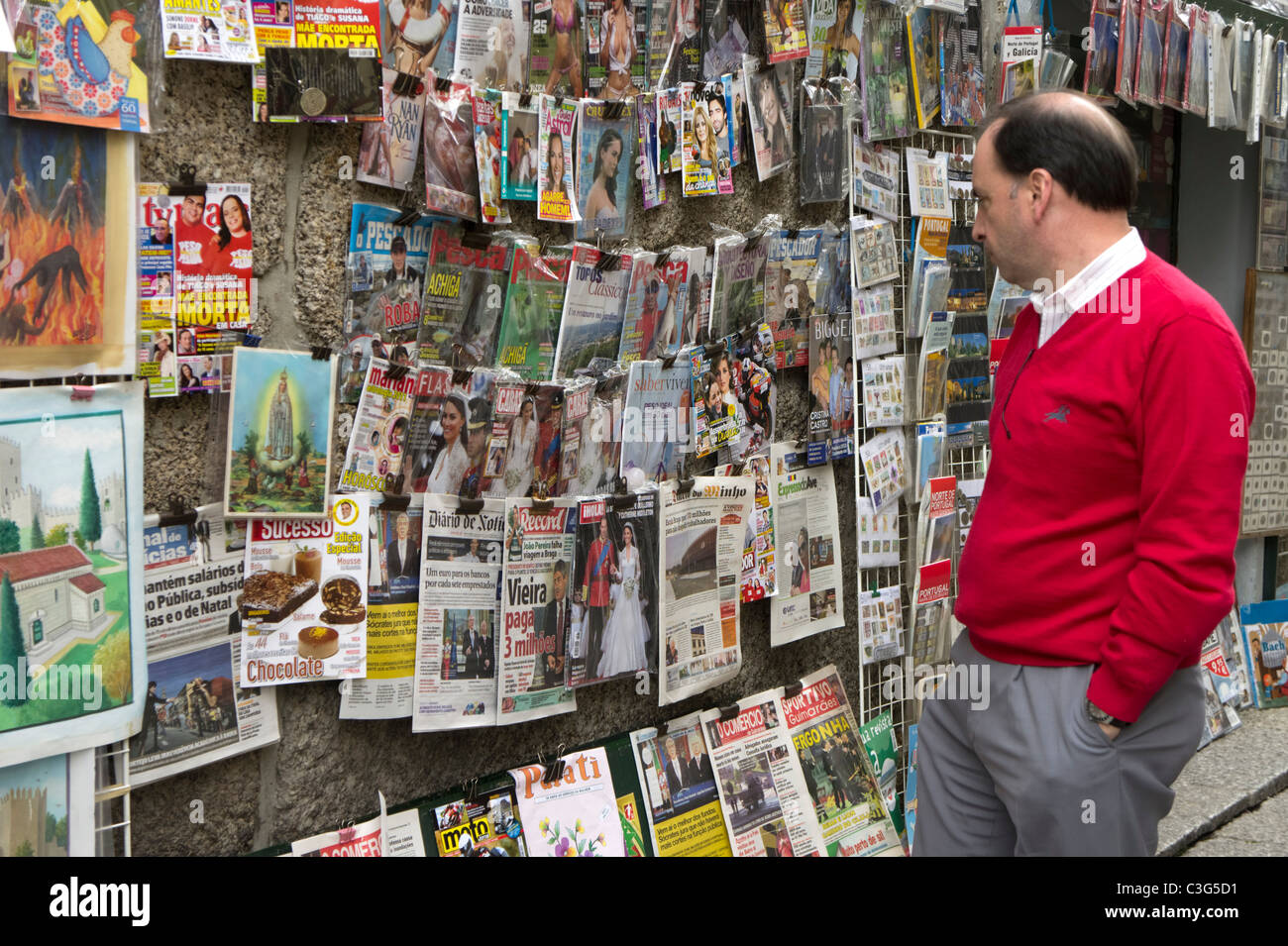
During the early 20th century, newsstands expanded beyond newspapers and started offering magazines, comic books, puzzles, and tobacco products. This transformation turned them into small retail centers that served a wide variety of customer interests. The colorful magazine covers displayed at these stands became a defining visual element of urban culture.

Newsstands also played a significant role during important historical events. During wars, elections, and major global crises, people gathered around them to learn the latest developments. Before the rise of television and the internet, newsstands were among the fastest ways for citizens to access information.
Different countries developed unique newsstand traditions. In some regions, small kiosks operated on busy sidewalks, while others used bookstore-style counters inside train stations and shopping centers. Despite these differences, the purpose remained the same: connecting readers with information.
Today, the historical importance of the newsstand continues to influence modern journalism and publishing culture. Many people still associate newsstands with nostalgia, community interaction, and trusted reporting.
How Newsstands Influence Media and Reading Habits
Newsstands have historically shaped how people consume information and develop reading habits. Their visibility in public spaces encourages spontaneous reading and curiosity. Unlike online browsing, where algorithms control recommendations, physical newsstands expose readers to a wide variety of publications simultaneously.
This variety is one reason newsstands became culturally important. A single stand might display political newspapers, fashion magazines, sports journals, business reports, and entertainment publications side by side. This exposure allowed readers to discover topics they may not have searched for intentionally.
For younger generations, comic books and youth magazines often served as entry points into reading culture. Many children developed lifelong reading habits after regularly visiting local newsstands. These experiences created emotional connections with print media that continue into adulthood.
Newsstands also support independent journalism and niche publications. Smaller magazines and local newspapers often rely on physical distribution to reach audiences. Without newsstands, many specialized publications would struggle to gain visibility in crowded digital markets.
The browsing experience itself is another important factor. Readers can physically hold magazines, view headlines, and compare different publications before making a purchase. This tactile interaction creates a more personal connection than scrolling through digital content.
Even in modern times, airports, train stations, and bookstores continue to use newsstand-style displays because they attract attention and encourage impulse purchases. Travelers often buy magazines, newspapers, and snacks together, showing that the traditional newsstand model still influences consumer behavior.
By shaping reading habits and supporting diverse voices, newsstands remain valuable contributors to media culture and public awareness.
The Rise of Digital Newsstands and Online Publishing
The internet transformed the media industry dramatically, leading to the rise of digital newsstands and online publishing platforms. Instead of purchasing physical newspapers and magazines, readers can now access content instantly through smartphones, tablets, and computers.
Digital newsstands offer several advantages. Readers can subscribe to multiple publications without carrying physical copies, and publishers can distribute content globally within seconds. This convenience has made digital reading increasingly popular, especially among younger audiences.
Major technology companies introduced digital magazine platforms that mimic the traditional newsstand experience. Users can browse categories, discover featured stories, and purchase subscriptions directly from mobile applications. These systems combine the convenience of digital technology with the familiar browsing experience of physical newsstands.
Publishers also benefit from reduced printing and distribution costs. Producing physical newspapers involves expenses such as paper, transportation, and retail placement. Digital publishing removes many of these costs while allowing real-time updates and multimedia integration.
Despite these advantages, digital newsstands face challenges as well. Competition for online attention is extremely intense, and many readers prefer free content over paid subscriptions. Publishers must balance quality journalism with advertising revenue and subscription models.
Another challenge involves screen fatigue. Many people spend hours looking at phones and computers for work, making physical magazines and newspapers feel refreshing by comparison. This is one reason why print media still maintains loyal audiences despite digital growth.
The rise of digital newsstands demonstrates how technology continues reshaping media consumption. Rather than replacing traditional newsstands completely, digital platforms have expanded the ways readers access information and entertainment.
Business Opportunities and the Economics of Newsstands
Newsstands may appear simple, but they represent an important business sector within the publishing industry. From independent kiosk owners to major media distributors, many businesses depend on newsstand sales and magazine circulation.
Traditional newsstands generate revenue through multiple product categories. In addition to newspapers and magazines, many stands sell snacks, beverages, cigarettes, lottery tickets, and convenience items. This diversification helps owners maintain profitability despite changing media trends.
Location plays a major role in newsstand success. High-traffic areas such as train stations, airports, shopping centers, and downtown streets attract larger customer volumes. Strategic placement increases visibility and encourages spontaneous purchases.
Publishers also benefit financially from newsstand distribution. Physical placement helps magazines build brand recognition and attract new readers. Eye-catching covers and headlines are carefully designed to stand out among competing publications on crowded shelves.
Digital newsstands created additional revenue opportunities through subscription services and mobile applications. Readers can now purchase individual articles, monthly subscriptions, or bundled access to multiple publications. These flexible pricing models help publishers reach broader audiences.
Independent publishers particularly value newsstand exposure because it helps them compete against larger media corporations. Specialized magazines focused on fashion, gaming, fitness, technology, or travel often gain loyal readers through targeted newsstand placement.
However, the industry also faces economic challenges. Declining print sales, rising production costs, and increased online competition have forced many traditional newsstands to adapt or close. Successful businesses often combine print sales with convenience retail services to remain profitable.
The economics of newsstands continue evolving alongside changes in consumer behavior and technology. While the industry faces challenges, opportunities still exist for businesses willing to innovate and adapt.
The Future of Newsstands in a Digital World
The future of the newsstand is likely to involve a blend of physical and digital experiences. While traditional newspaper sales may continue declining, newsstands still offer unique advantages that cannot be fully replaced by online platforms.
One major strength is convenience. Travelers and commuters often prefer quickly purchasing reading material from a nearby stand rather than browsing multiple websites. Airports and train stations continue relying on newsstand-style retail because it serves customers efficiently.
Another important factor is nostalgia and cultural identity. Many people view newsstands as iconic parts of city life. In places like New York, Paris, London, and Tokyo, newsstands contribute to the atmosphere and rhythm of urban culture.
Modern newsstands are also becoming more innovative. Some now include digital screens, self-checkout systems, mobile payment options, and online order integration. These updates help traditional stands compete in an increasingly technology-driven market.
Print media itself may become more specialized rather than disappearing entirely. Premium magazines, collectible editions, and niche publications continue attracting readers who value high-quality design and physical ownership. Newsstands can serve as important distribution points for these products.
Environmental concerns may also shape the future of the industry. Publishers are increasingly exploring sustainable printing methods and recyclable materials. Eco-friendly practices could help print media remain relevant in environmentally conscious markets.
Ultimately, the future of the newsstand depends on adaptation. By combining traditional strengths with modern technology, newsstands can continue serving readers while preserving their historical and cultural significance.
FAQs About Newsstand
1. What is a newsstand?
A newsstand is a retail location that sells newspapers, magazines, and other reading materials.
2. Why are newsstands important?
They provide public access to news, information, entertainment, and journalism.
3. Are traditional newsstands still popular?
Yes, especially in busy urban areas, airports, and transportation hubs.
4. What is a digital newsstand?
A digital newsstand is an online platform where users can access digital newspapers and magazines.
5. How do newsstands make money?
They earn revenue through publication sales, convenience items, advertisements, and subscriptions.
6. Why do people still buy print magazines?
Many readers enjoy the physical experience, design quality, and collectibility of print media.
7. What products are commonly sold at newsstands?
Newspapers, magazines, snacks, drinks, lottery tickets, and convenience items are commonly available.
8. How has technology changed newsstands?
Technology introduced digital subscriptions, online publishing, and mobile reading platforms.
9. Are newsstands part of media culture?
Yes, they have historically influenced journalism, reading habits, and public communication.
10. What is the future of newsstands?
The future likely involves a mix of physical retail, digital integration, and specialized print content.
Conclusion
The newsstand has played a vital role in shaping media culture, public awareness, and reading habits for generations. From busy city corners to modern digital platforms, newsstands have continuously evolved alongside technological and social changes.
Although the rise of the internet transformed how people consume information, the fundamental purpose of the newsstand remains the same: connecting readers with news, stories, ideas, and entertainment. Whether through printed newspapers or digital subscriptions, newsstands continue influencing journalism and publishing industries worldwide.
As technology advances, successful newsstands will likely combine traditional charm with modern innovation. Their ability to adapt while preserving their cultural importance ensures they will remain relevant for years to come.
