

Introduction
A classroom timer is one of the simplest yet most effective teaching tools available. Whether you’re teaching young children, middle school students, or high school learners, a visible timer creates structure, encourages responsibility, and keeps lessons moving at a productive pace. Rather than constantly reminding students how much time remains, teachers can rely on a timer to provide a clear, visual cue that everyone understands.
A classroom timer does much more than count down the minutes. It helps students develop time awareness, reduces interruptions, supports classroom routines, and encourages independence. Students often perform better when they know exactly how much time they have to complete a task, participate in discussions, or prepare for transitions.
This guide explores how classroom timers work, why they are so effective, and how teachers can use them to create a more focused, organized, and engaging learning environment.
What Is a Classroom Timer and Why Does It Matter?
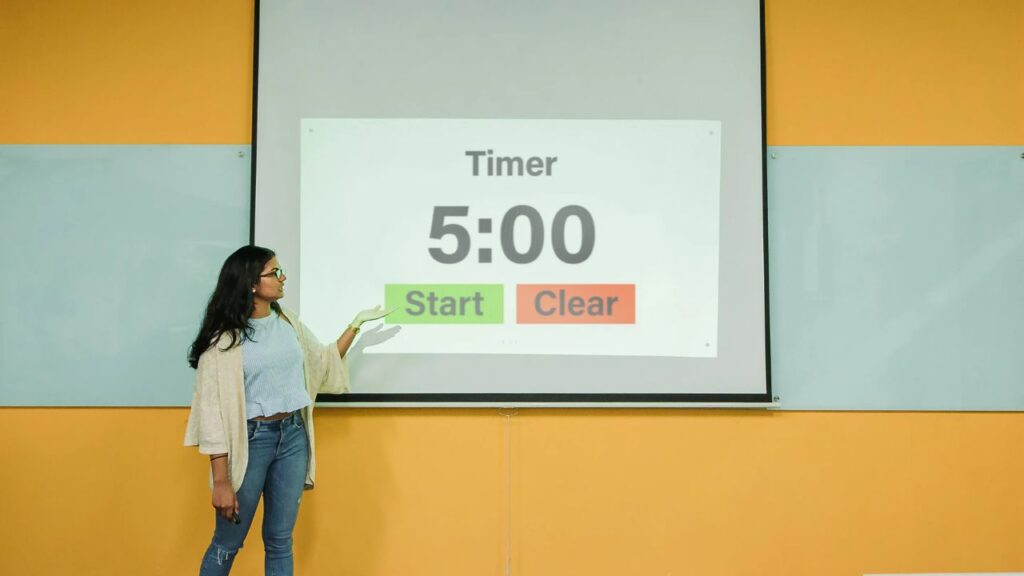
A classroom timer is a visual or digital tool that measures a specific amount of time for classroom activities. Teachers use timers during independent work, group projects, reading sessions, quizzes, classroom games, transitions, presentations, and clean-up periods.
Unlike simply announcing a deadline, a timer gives students a constant reminder of how much time remains. This encourages better pacing and helps reduce procrastination. Students become more aware of their own progress instead of relying entirely on teacher reminders.
Building Time Awareness
Many children struggle to estimate how long tasks actually take. A classroom timer helps develop this important life skill by making time visible. As students repeatedly complete activities within set periods, they gradually improve their ability to manage time independently.
This awareness extends beyond school. Students begin applying these skills to homework, extracurricular activities, studying for exams, and eventually workplace responsibilities.
Reducing Classroom Stress
Unexpected transitions often create anxiety, especially among younger students or learners who prefer predictable routines. A timer provides a clear warning before activities end, making transitions feel smoother and less disruptive.
Instead of hearing “Time’s up!” without warning, students can see the countdown approaching and prepare themselves accordingly.
Benefits of Using a Classroom Timer
The advantages of using a classroom timer extend far beyond keeping lessons on schedule. It influences behavior, productivity, and classroom culture in meaningful ways.
Improves Student Focus
Students are naturally more attentive when they have a clear goal and limited amount of time. A countdown creates a gentle sense of urgency that encourages learners to remain engaged rather than becoming distracted.
For example, giving students fifteen minutes to solve math problems with a visible timer often results in greater concentration than assigning the same work without any time reference.
Encourages Independence
Teachers frequently find themselves answering the same question repeatedly:
“How much time is left?”
A classroom timer answers that question automatically. Students learn to monitor the remaining time themselves, reducing interruptions and promoting self-management.
Supports Better Classroom Management
Classroom routines become much easier when students understand exactly how long each activity lasts. Morning work, reading sessions, science experiments, writing exercises, and clean-up routines become more predictable.
Consistency builds confidence. Students quickly learn what is expected during each timed activity.
Creates Fairness
A timer ensures every student receives the same amount of time to complete assignments, presentations, or classroom games. This consistency helps eliminate confusion and creates a fair learning environment.
Different Types of Classroom Timers
Not every classroom timer looks the same. Teachers can choose from several styles depending on their classroom needs, teaching methods, and available technology.
Digital Timers
Digital timers are among the most popular choices because they display precise countdowns and often include alarms or visual alerts.
Many classroom projectors, tablets, and interactive whiteboards include built-in timer functions that are easy to operate during lessons.
Visual Timers
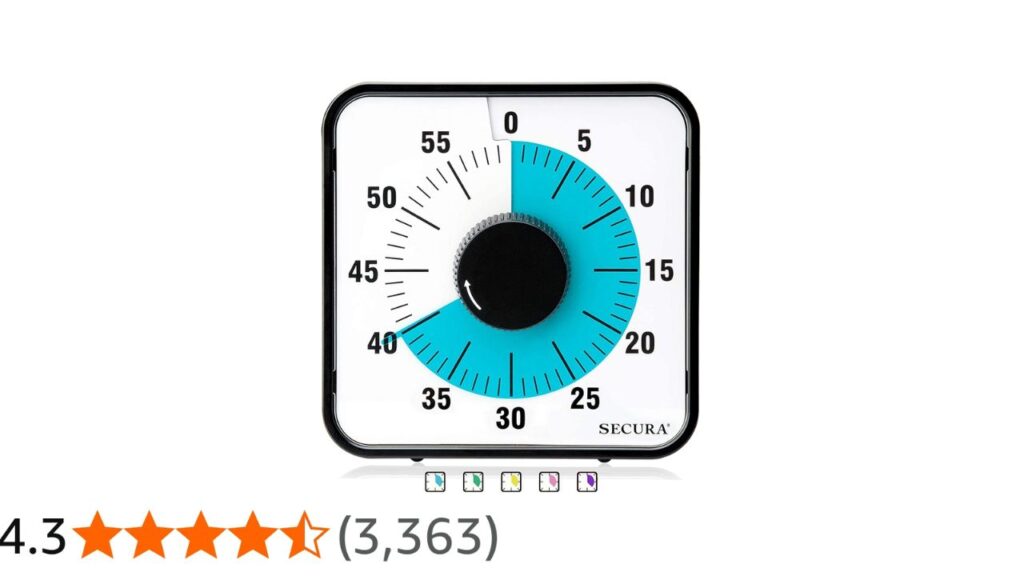
Visual timers are especially useful for younger children because they show time disappearing through colored sections or shrinking circles.
Students who cannot yet read clocks still understand how much time remains simply by observing the visual display.
These timers are particularly effective in preschool, kindergarten, and elementary classrooms.
Sand Timers
Traditional sand timers remain valuable for short activities lasting between one and fifteen minutes.
Their simplicity makes them ideal for classroom centers, board games, reading practice, or turn-taking exercises.
Online Timers
Web-based classroom timers offer additional features including:
- Countdown animations
- Background music
- Sound effects
- Classroom themes
- Stopwatch modes
- Interval timing
These options make lessons more interactive while requiring very little setup.
Practical Ways to Use a Classroom Timer Every Day
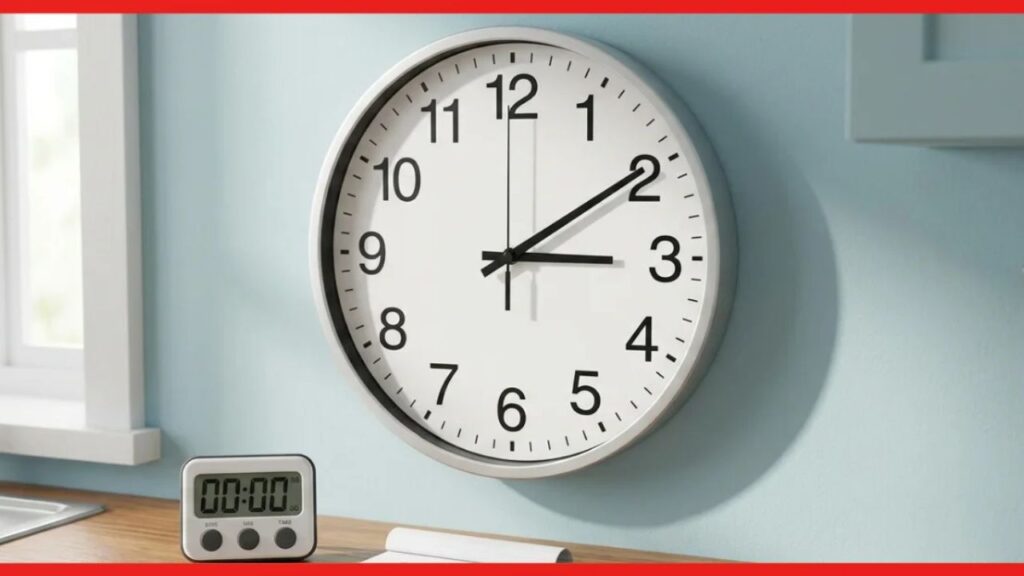
A classroom timer can become part of nearly every lesson. The key is using it consistently so students begin associating time management with everyday learning.
Morning Routines
Start each school day with a timer during attendance, journaling, or independent reading.
Students quickly learn that the school day begins with focused work rather than waiting for instructions.
Independent Learning
During writing assignments, math practice, or reading comprehension, timers encourage students to remain productive throughout the work period.
Instead of rushing during the final minute, students naturally pace themselves as they monitor the countdown.
Group Activities
Collaborative projects often lose momentum when groups spend too much time discussing instead of working.
Setting a twenty-minute timer encourages teams to divide responsibilities efficiently and stay focused on the objective.
Classroom Discussions
Discussions become more balanced when each student receives equal speaking time.
For example:
- One-minute responses
- Two-minute presentations
- Five-minute debates
- Three-minute brainstorming sessions
Everyone has an equal opportunity to participate.
Classroom Games
Educational games become more exciting with timed challenges.
Whether students are solving vocabulary puzzles, answering science questions, or competing in spelling activities, timers add excitement without creating unnecessary pressure.
Best Practices for Using a Classroom Timer Effectively
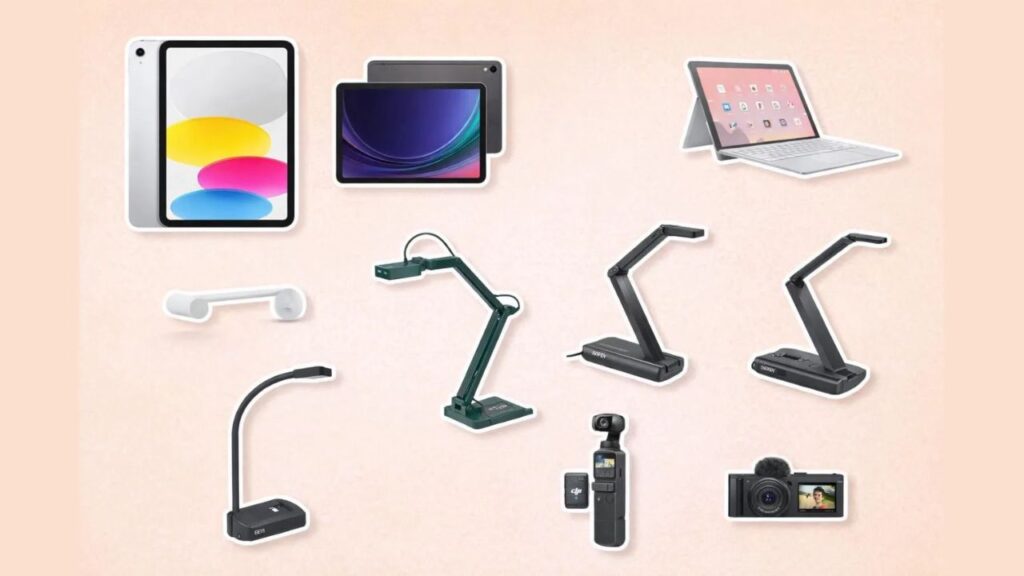
Simply displaying a timer is not enough. Teachers should introduce it thoughtfully so students view it as a helpful guide rather than a source of stress.
Set Realistic Time Limits
Activities should have achievable deadlines.
If students consistently fail to finish before time expires, they may become discouraged. Likewise, excessive time limits reduce motivation and urgency.
Observe your class and gradually adjust timing based on their progress.
Explain the Purpose
Students respond better when they understand why a timer is being used.
Rather than saying,
“You only have ten minutes.”
Explain,
“This timer helps everyone stay focused so we have enough time for today’s experiment.”
The emphasis shifts from pressure to productivity.
Give Transition Warnings
Even with a timer, providing verbal reminders improves classroom flow.
Examples include:
- Five minutes remaining
- Two minutes left
- Last minute
- Finish your final sentence
These reminders reduce frustration during activity changes.
Celebrate Progress
Timers should encourage improvement rather than perfection.
If students complete tasks efficiently, recognize their effort.
Positive reinforcement helps students associate time management with success instead of anxiety.
Common Challenges and How Teachers Can Solve Them
Although classroom timers are highly effective, teachers may occasionally encounter difficulties.
Students Feel Rushed
Some learners need additional processing time.
Rather than removing the timer completely, allow flexibility for students with accommodations while maintaining the classroom routine for everyone else.
The timer becomes a guide rather than a strict deadline.
Students Ignore the Timer
Initially, some students may continue working without paying attention.
Teachers can solve this by consistently referring to the timer during lessons until students naturally begin monitoring it themselves.
After several weeks, most students develop stronger awareness of elapsed time.
Technical Difficulties
Digital devices occasionally fail or lose power.
Keeping a backup timer—such as a sand timer or portable digital timer—ensures lessons continue without interruption.
Preparation prevents unnecessary classroom delays.
Conclusion
A classroom timer is far more than a countdown clock. It is a practical teaching tool that strengthens classroom routines, improves student focus, encourages independence, and supports effective time management. By making time visible, teachers create a learning environment where expectations are clear and transitions become smoother.
Whether using a digital display, a visual timer, a sand timer, or an online countdown, consistent use helps students develop valuable habits that extend well beyond the classroom. As learners become more aware of how they use their time, they build confidence, responsibility, and organizational skills that benefit them throughout their education and into adult life.
When thoughtfully integrated into daily lessons, a classroom timer transforms ordinary classroom activities into more structured, engaging, and productive learning experiences.
Frequently Asked Questions (FAQs)
1. What is a classroom timer?
A classroom timer is a tool that counts up or down to help teachers manage lessons and students stay aware of time during activities.
2. Why should teachers use a classroom timer?
It improves focus, supports classroom routines, encourages independence, and helps students manage time effectively.
3. Are classroom timers suitable for all age groups?
Yes. Preschool, elementary, middle school, and high school classrooms can all benefit from using timers with age-appropriate settings.
4. What is the difference between a visual timer and a digital timer?
A visual timer shows time disappearing through color or graphics, while a digital timer displays numerical countdowns.
5. Can classroom timers reduce classroom disruptions?
Yes. Students ask fewer questions about remaining time and transition more smoothly between activities.
6. How long should classroom activities be timed?
The ideal duration depends on the activity, student age, and learning objectives. Teachers should adjust timing based on classroom experience.
7. Do classroom timers increase student motivation?
Many students become more engaged because clear time limits encourage focus and create manageable goals.
8. Can a classroom timer help students with executive functioning skills?
Yes. Timers provide structure, improve planning, and help students monitor their progress during tasks.
9. Should teachers use sound alerts with timers?
Sound alerts can be helpful, but gentle tones are generally better than loud alarms to avoid startling students.
10. Can classroom timers be used outside academic lessons?
Absolutely. They are useful for classroom clean-up, transitions, breaks, presentations, games, mindfulness activities, and daily routines.
