

Introduction
Few small gadgets have captured public attention quite like the fidget spinner. What started as a simple handheld toy quickly became a worldwide sensation, appearing everywhere from classrooms and offices to parks and living rooms. Its popularity sparked conversations about concentration, relaxation, creativity, and even modern stress management. While the initial craze eventually settled, the fidget spinner remained more than a passing trend for many people who genuinely enjoyed using it.
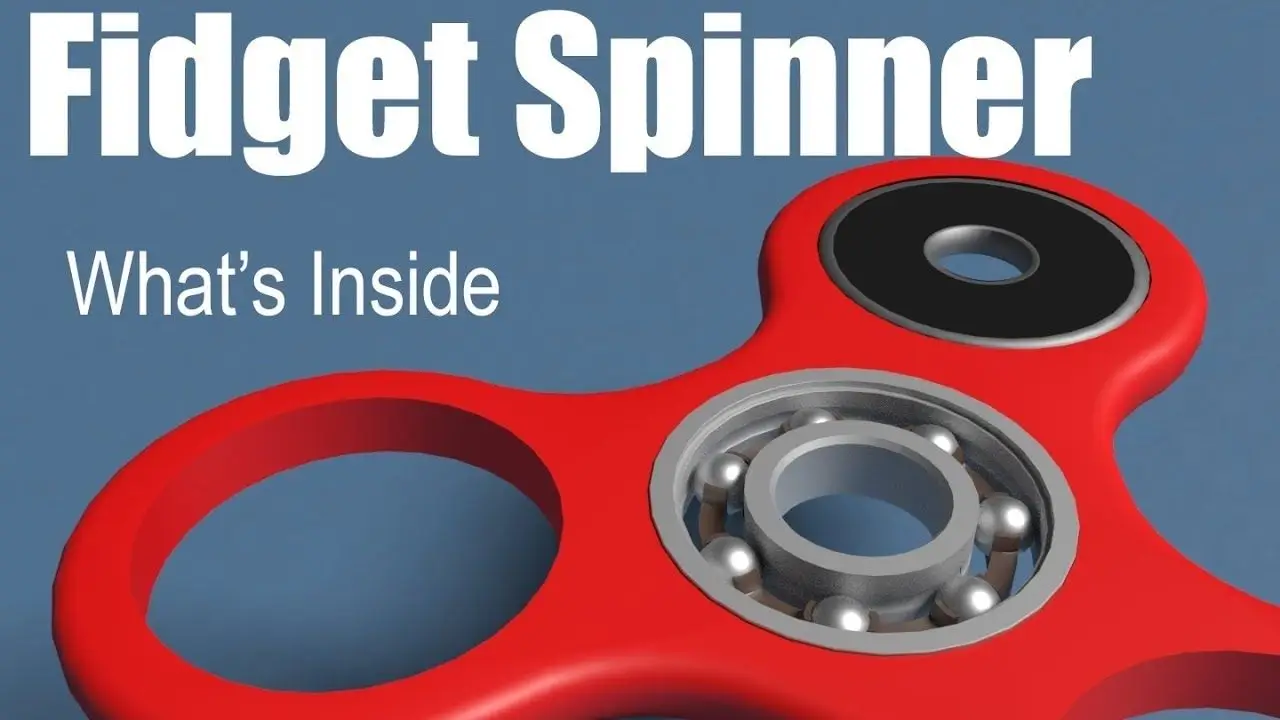
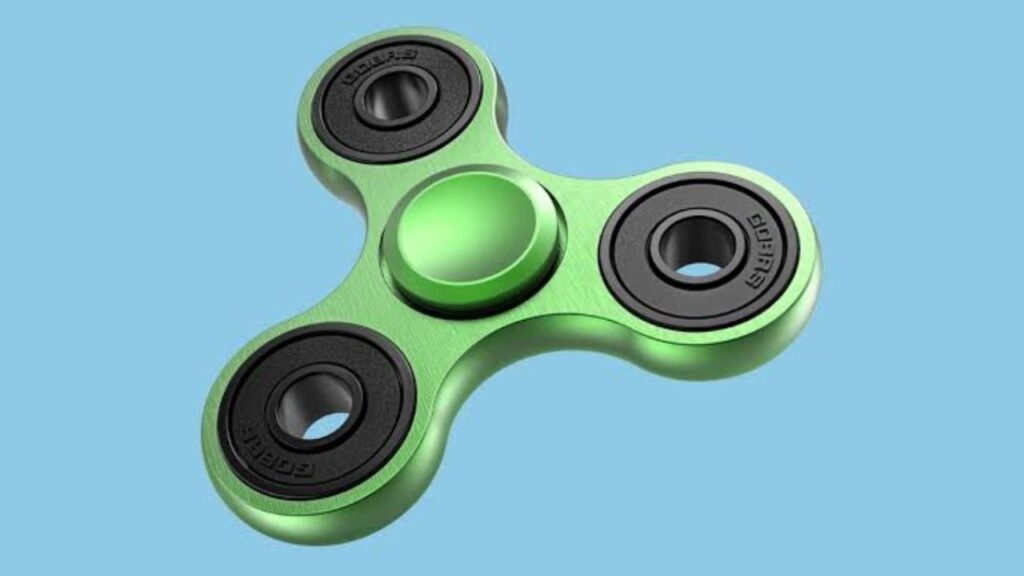
Part of its charm comes from its remarkable simplicity. A central bearing allows the spinner to rotate smoothly while weighted arms maintain momentum. There are no batteries, screens, or complicated instructions. Pick it up, give it a flick, and it begins spinning effortlessly. That straightforward experience has attracted children, teenagers, and adults alike, making it one of the most recognizable handheld toys of the past decade.
Whether someone enjoys collecting beautifully crafted models, performing spinning tricks, or simply using one during moments of downtime, the fidget spinner continues to offer an enjoyable and satisfying experience. Understanding where it came from, how it works, and why people still appreciate it reveals that this tiny gadget has a much richer story than its size might suggest.
The Story Behind the Fidget Spinner and Why It Became a Global Phenomeno
From a Simple Idea to Worldwide Recognition
The rise of the fidget spinner happened at an astonishing pace. Although spinning toys have existed in different forms for many years, the modern three-armed spinner exploded in popularity during 2017. Within months, stores around the world struggled to keep them on shelves as people of all ages rushed to buy one.
Its success wasn’t driven by complicated technology or expensive advertising. Instead, it spread through word of mouth, viral videos, classroom demonstrations, and social media challenges. Children introduced them to friends, coworkers brought them into offices, and families often found themselves purchasing multiple designs simply because everyone wanted their own favorite version.
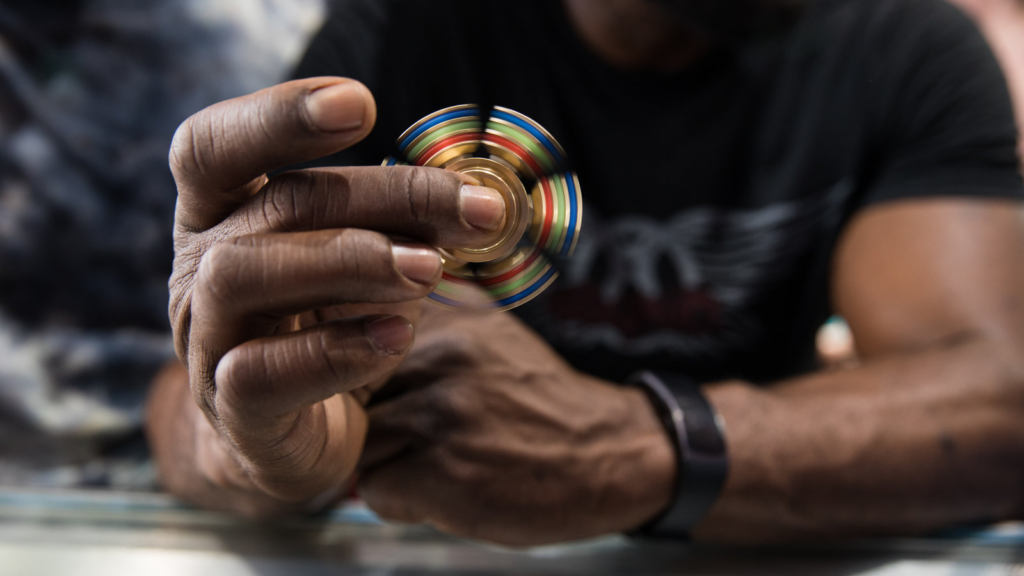
The widespread appeal also came from accessibility. Basic plastic versions were inexpensive enough for nearly anyone to own, while premium editions made from aluminum, brass, copper, titanium, and stainless steel attracted hobbyists interested in craftsmanship and performance.
Why the Craze Lasted Beyond the Trend
Many products disappear completely after a period of intense popularity, but the fidget spinner found a lasting audience. Enthusiasts discovered that different bearings, materials, and weight distributions created unique spinning experiences. Some users appreciated longer spin times, while others preferred heavier models with smoother balance.
Collectors also helped sustain interest. Limited editions, handcrafted designs, artistic engravings, colorful finishes, and unusual shapes transformed the spinner into something more than a toy. It became a collectible object that combined engineering, design, and personal expression.
Its continued presence shows that even after the excitement faded, the simple pleasure of spinning a well-made device remained enjoyable for many people.
How a Fidget Spinner Works and the Science Behind Its Smooth Motion
Understanding the Basic Design
Despite its simple appearance, the fidget spinner demonstrates several fascinating principles of physics. At its center sits a precision bearing that dramatically reduces friction. When someone flicks one of the outer arms, the bearing allows the spinner to rotate freely around its central axis.
The weighted arms play an equally important role. Their placement creates rotational momentum, allowing the spinner to maintain its motion longer than it could with an uneven or poorly balanced design. The better the balance and bearing quality, the smoother and quieter the rotation generally becomes.
Even small differences in manufacturing can affect performance. A slightly uneven arm or lower-quality bearing may reduce spin time, while carefully engineered models often rotate for several minutes under ideal conditions.
The Physics That Makes Spinning Feel So Satisfying
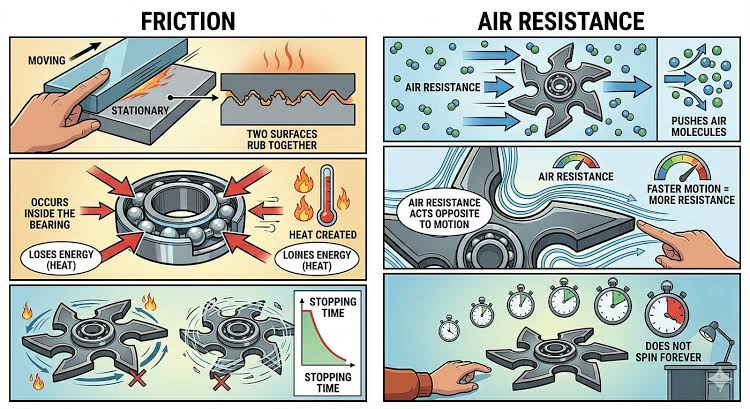
The pleasant sensation many users experience comes from predictable, smooth movement. As the spinner rotates, angular momentum helps it maintain stability until friction gradually slows it down. The steady motion creates a visual rhythm that many people simply find enjoyable to watch.
Materials also influence the overall feel. Plastic spinners are lightweight and easy to carry, while metal versions often feel more substantial in the hand. Heavier materials usually generate greater momentum, producing a slower, smoother rotation that many enthusiasts appreciate.
Some premium bearings use ceramic components instead of traditional steel. Ceramic bearings can reduce friction and resist corrosion, although many users find that high-quality steel bearings offer an equally satisfying experience with less maintenance.
Everyday Uses of a Fidget Spinner Beyond Entertainment
A Small Tool for Idle Moments
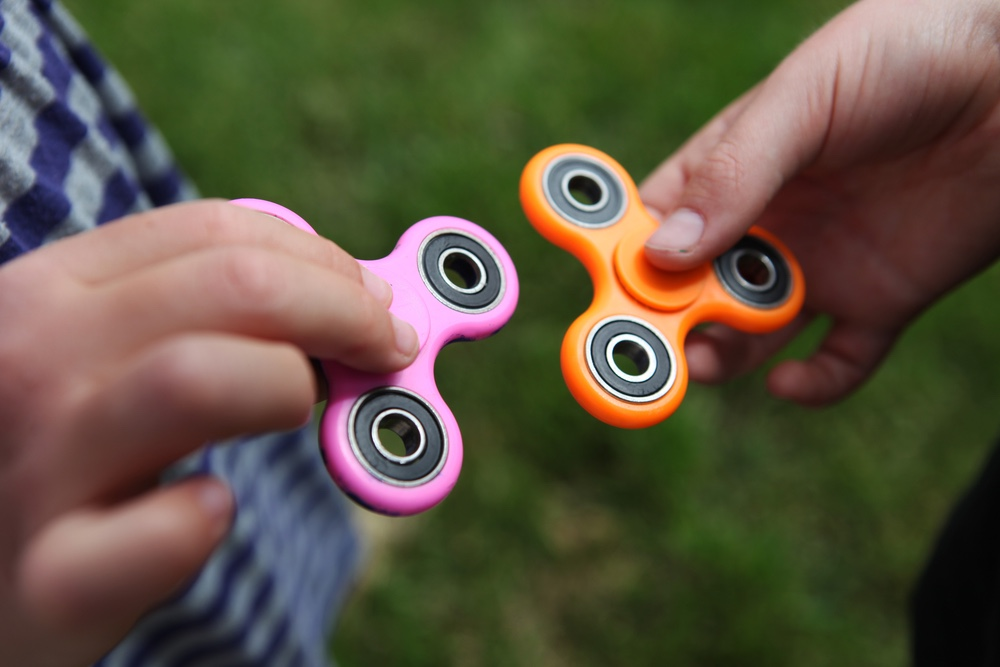
Many people reach for a fidget spinner during quiet moments throughout the day. Waiting for public transportation, sitting through long phone calls, taking short work breaks, or relaxing at home are all situations where a quick spin can provide a pleasant distraction without demanding complete attention.
Unlike digital entertainment, a spinner requires no charging, internet connection, or software updates. Its portability makes it easy to carry in a pocket, backpack, or desk drawer, ready whenever someone wants a brief moment of tactile engagement.
For some individuals, repetitive hand movement simply feels satisfying. Similar habits such as tapping fingers, clicking pens, or rolling coins have existed for generations. The fidget spinner offers another option for people who naturally enjoy keeping their hands occupied.
A Creative Hobby for Collectors and Enthusiasts
Many enthusiasts move beyond casual use and begin exploring different designs. Collecting fidget spinners can become surprisingly rewarding because manufacturers experiment with unique materials, artistic finishes, bearing technologies, and mechanical innovations.
Some collectors seek rare handcrafted editions made by independent designers, while others focus on vintage releases from the peak of the spinner craze. Certain premium models feature intricate machining, polished metals, exotic wood inlays, or glow-in-the-dark components that transform the spinner into a miniature piece of functional art.
Communities dedicated to trading, reviewing, modifying, and displaying collections continue to keep interest alive among hobbyists who appreciate quality engineering.
Choosing the Right Fidget Spinner and Caring for It Properly
Finding the Best Spinner for Your Needs
Selecting a fidget spinner depends largely on personal preference rather than one universally perfect design. Someone looking for affordability may choose a lightweight plastic model, while users who value durability often prefer aluminum or stainless steel. Those seeking a premium feel sometimes gravitate toward brass or copper because of their satisfying weight.
Bearing quality deserves careful attention as well. Smooth bearings generally produce quieter operation and longer spin times. However, longer isn’t always better. Some users actually prefer a shorter, more controlled spin because it feels easier to manipulate during tricks or casual use.
Comfort should never be overlooked. Rounded edges, balanced weight, and ergonomic button caps contribute significantly to the overall experience. A spinner that feels comfortable in the hand is likely to receive far more use than one chosen solely for appearance.
Maintenance Tips That Extend Performance
Fortunately, maintaining a fidget spinner requires very little effort. Dust, lint, and dirt are the most common reasons bearings become noisy or less smooth. Cleaning the bearing occasionally with appropriate methods recommended by the manufacturer helps preserve consistent performance.
Dropping the spinner onto hard surfaces repeatedly may damage bearings or create tiny imbalances that reduce smooth rotation. Storing it in a protective case or padded pouch helps prevent unnecessary wear, especially for collectors who own premium models.
Regular inspection is also worthwhile. Ensuring that removable caps remain securely attached and checking for signs of damage allows users to address small issues before they affect the spinning experience.
Common Myths, Safety Considerations, and the Future of the Fidget Spinner
Separating Facts from Misconceptions
The popularity of the fidget spinner led to many claims about what it could or could not do. While many people personally report enjoying the calming or satisfying feeling of using one, experiences vary widely between individuals. Some find it relaxing during quiet moments, while others simply enjoy it as a fun mechanical toy.
Rather than expecting dramatic changes from using a spinner, it is more realistic to view it as a simple handheld object that offers tactile engagement and entertainment. Like puzzles, stress balls, or desk toys, its value depends largely on the individual using it.
Another common misconception is that expensive models are automatically better. Premium materials often improve durability and aesthetics, but many affordable spinners provide an equally enjoyable everyday experience.
Safe Use and What Lies Ahead
Young children should always use fidget spinners under appropriate supervision, especially if the model contains small removable components that could present a choking hazard. Purchasing products from reputable manufacturers and regularly checking for loose parts contributes to safer use.
Looking ahead, innovation continues despite the end of the original craze. Manufacturers regularly introduce fresh designs with magnetic elements, silent bearings, precision-machined metals, artistic finishes, and customizable features. The market may be smaller than it once was, but it has matured into one focused on quality rather than novelty alone.
The future of the fidget spinner appears less about mass popularity and more about dedicated enthusiasts who appreciate thoughtful craftsmanship and clever mechanical design.
Conclusion
The fidget spinner has earned a unique place in modern popular culture by proving that even the simplest ideas can capture worldwide imagination. Its compact design, satisfying motion, and wide variety of styles have allowed it to remain relevant long after the initial excitement faded. What began as a viral sensation evolved into a collectible hobby, a conversation piece, and an enjoyable handheld gadget appreciated by people of many different ages.
Its enduring appeal lies in its balance of simplicity and craftsmanship. Anyone can enjoy the effortless act of spinning one, yet enthusiasts can also appreciate the engineering behind precision bearings, carefully balanced construction, and premium materials. Whether purchased as an inexpensive everyday toy or a finely crafted collector’s item, the fidget spinner continues to demonstrate that thoughtful design and simple mechanics can provide lasting enjoyment.
Frequently Asked Questions
1. What is a fidget spinner?
A fidget spinner is a handheld spinning toy with a central bearing and weighted arms that rotate smoothly when flicked with a finger.
2. Why did fidget spinners become so popular?
Their popularity grew rapidly because they were inexpensive, easy to use, visually satisfying, and widely shared through schools, social media, and online videos.
3. What materials are fidget spinners made from?
Common materials include plastic, aluminum, stainless steel, brass, copper, titanium, and occasionally wood or hybrid combinations.
4. How long can a quality fidget spinner spin?
Spin times vary depending on the bearing, balance, material, and how the spinner is used. Many quality models spin for one to several minutes.
5. Are metal fidget spinners better than plastic ones?
Not necessarily. Metal models usually feel heavier and more durable, while plastic versions are lighter, less expensive, and often easier for beginners to handle.
6. How should I clean a fidget spinner?
Remove dust and debris carefully, following the manufacturer’s recommendations for cleaning the bearing. Avoid exposing the spinner to unnecessary moisture unless the bearing is designed for it.
7. Can fidget spinners perform tricks?
Yes. Many enthusiasts learn tricks involving finger transfers, balancing, tossing, and spinning on different surfaces with regular practice.
8. Are fidget spinners suitable for adults?
Absolutely. Many adults enjoy them as desk toys, collectibles, conversation pieces, or simply as a satisfying object to use during breaks.
9. What should I look for when buying a fidget spinner?
Consider build quality, bearing performance, comfort, weight, balance, durability, material, and overall design rather than choosing based only on appearance.
10. Are fidget spinners still popular?
While the global craze has passed, they continue to have an active community of collectors, hobbyists, designers, and casual users who appreciate their simple yet satisfying design.
