


Introduction
Marketing fundamentals are the building blocks that help organizations connect meaningful products and services with the people who need them. While trends, technologies, and consumer habits continue to evolve, the core principles of marketing remain remarkably consistent. Businesses that understand these fundamentals make smarter decisions, create stronger customer relationships, and build brands that people remember long after a purchase has been made.
Many people mistakenly believe marketing is simply advertising or selling. In reality, marketing begins long before a product reaches the customer. It starts with understanding human needs, identifying problems worth solving, designing valuable solutions, and communicating those solutions effectively. Every successful company, regardless of its size or industry, relies on these principles to earn trust and create lasting value.
This guide explores the essential marketing fundamentals in depth. Whether you are a student, entrepreneur, business owner, or someone interested in understanding how successful companies attract and retain customers, these concepts provide a practical foundation for making informed marketing decisions.
Understanding the Core Purpose of Marketing
Marketing exists to create value for both businesses and customers. Rather than convincing people to buy something they do not need, effective marketing focuses on identifying genuine customer problems and offering solutions that improve their lives. This customer-first mindset separates successful organizations from those that struggle to build long-term relationships.
When a company truly understands its audience, it can create products, services, and experiences that naturally fit customer expectations. This reduces unnecessary guesswork and allows businesses to make more confident decisions regarding pricing, product development, customer service, and communication. Marketing, therefore, becomes an ongoing conversation instead of a one-time sales effort.
Understanding Customer Needs
Every purchase begins with a need, want, or desire. A family may need nutritious food, a professional may want a faster laptop, or a traveler may desire a memorable vacation experience. Marketers study these motivations to understand why customers make decisions.
Customer research can involve surveys, interviews, observation, purchasing patterns, and feedback. These insights help businesses recognize recurring problems and identify opportunities to deliver greater value. The better a company understands its audience, the easier it becomes to develop products that people genuinely appreciate.
Creating Value Instead of Selling
People rarely purchase products solely because they exist. They buy because they believe those products offer meaningful benefits. Value may come in many forms, including convenience, quality, affordability, reliability, emotional satisfaction, or time savings.
For example, a reusable water bottle offers more than simply holding water. Customers may value its durability, environmental benefits, stylish design, or ability to keep drinks cold for hours. Marketing highlights these meaningful benefits instead of focusing only on product features.
Knowing Your Market and Target Audience

One of the most important marketing fundamentals is recognizing that not everyone is your customer. Businesses achieve better results when they identify the specific groups most likely to benefit from their offerings. Attempting to appeal to everyone often results in messages that feel too broad and fail to resonate with anyone in particular.
A clearly defined target audience allows companies to develop products, communication styles, pricing strategies, and customer experiences that match real customer expectations. Understanding who customers are also helps businesses allocate resources more efficiently.
Market Segmentation
Market segmentation divides a larger audience into smaller groups based on shared characteristics. These characteristics may include age, income, occupation, location, interests, purchasing behavior, or lifestyle preferences.
Consider a sportswear company. Young athletes, fitness enthusiasts, professional runners, and casual walkers all have different priorities. By recognizing these distinctions, the company can develop specialized products and messages that address each group’s unique needs instead of offering one generic solution.
Building Customer Profiles
Customer profiles help businesses visualize their ideal buyers. These profiles typically include demographic information, personal goals, daily challenges, spending habits, preferred communication methods, and purchasing motivations.
Imagine a company selling ergonomic office furniture. One customer profile may represent remote workers seeking comfort during long workdays, while another focuses on corporate purchasing managers responsible for furnishing entire office spaces. Although both customers purchase similar products, their decision-making processes differ significantly.
Understanding these differences enables businesses to communicate more effectively while offering solutions that feel personally relevant.
The Four Pillars of Effective Marketing
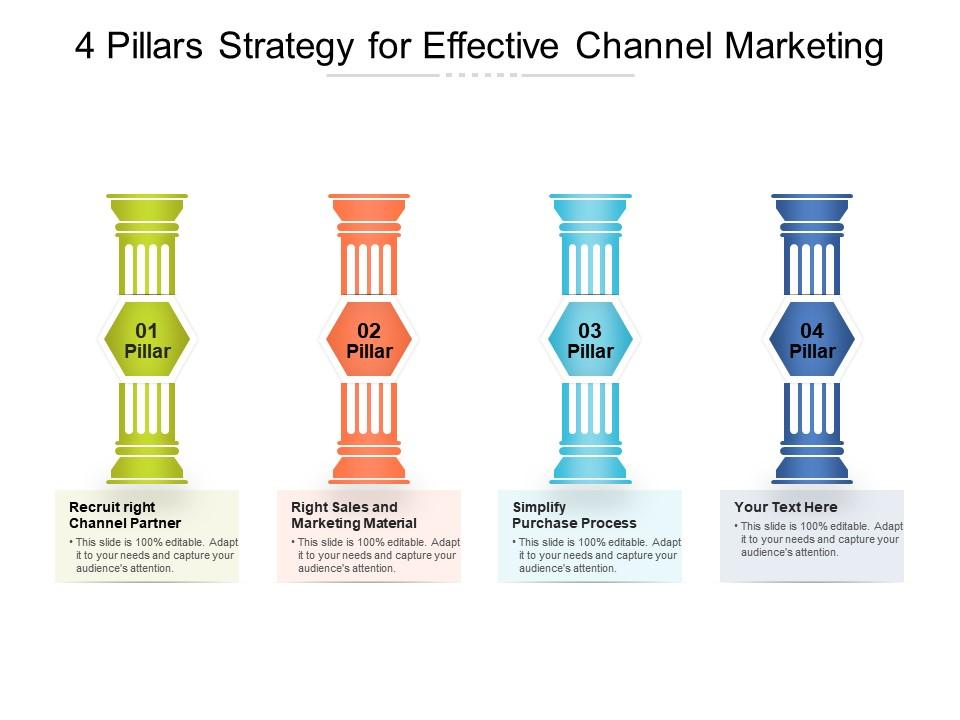
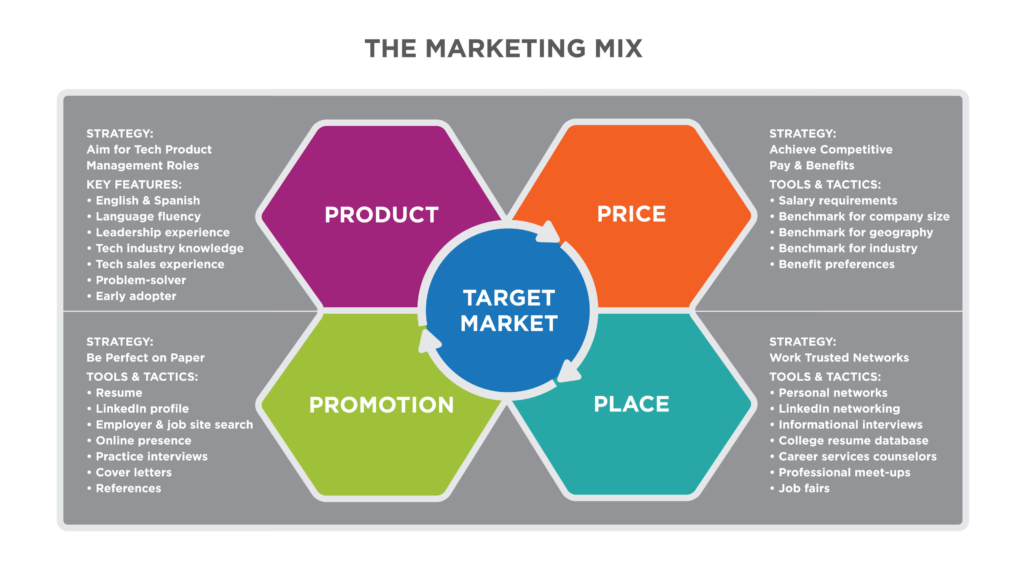
Although marketing continues to evolve, four foundational elements remain central to nearly every successful strategy: product, price, place, and promotion. Together, these components create a balanced approach that supports customer satisfaction and business growth.
Ignoring any one of these areas can weaken an otherwise excellent offering. A high-quality product with poor pricing may struggle, just as a great product cannot succeed if customers cannot easily access it.
Product: Solving Real Problems
Every successful product addresses a genuine customer need. Quality, functionality, design, packaging, reliability, and customer support all contribute to how customers perceive value.
For example, a coffee maker may offer programmable brewing, energy efficiency, easy cleaning, and sleek aesthetics. While these features are important, customers ultimately purchase the product because it delivers convenience and improves their daily routine. Understanding this distinction helps businesses communicate benefits more effectively.
Continuous product improvement is equally important. Customer feedback, changing lifestyles, and emerging preferences often reveal opportunities for refinement. Businesses that regularly evaluate their products remain more competitive and better positioned to meet evolving customer expectations.
Price, Place, and Promotion Working Together
Pricing communicates more than affordability. It also influences customer perceptions of quality and value. Premium pricing may suggest luxury and exclusivity, while competitive pricing appeals to cost-conscious buyers. The right pricing strategy reflects customer expectations as well as production costs and market conditions.
Place refers to how customers access products. Convenience plays a significant role in purchasing decisions. Whether products are available through retail stores, company outlets, distributors, or direct sales channels, accessibility shapes customer satisfaction.
Promotion involves communicating value clearly and honestly. Advertising, public relations, events, demonstrations, educational content, and customer recommendations all help introduce products while building awareness and trust. Effective promotion informs customers rather than overwhelming them with exaggerated claims.
Building Strong Brands Through Trust and Consistency
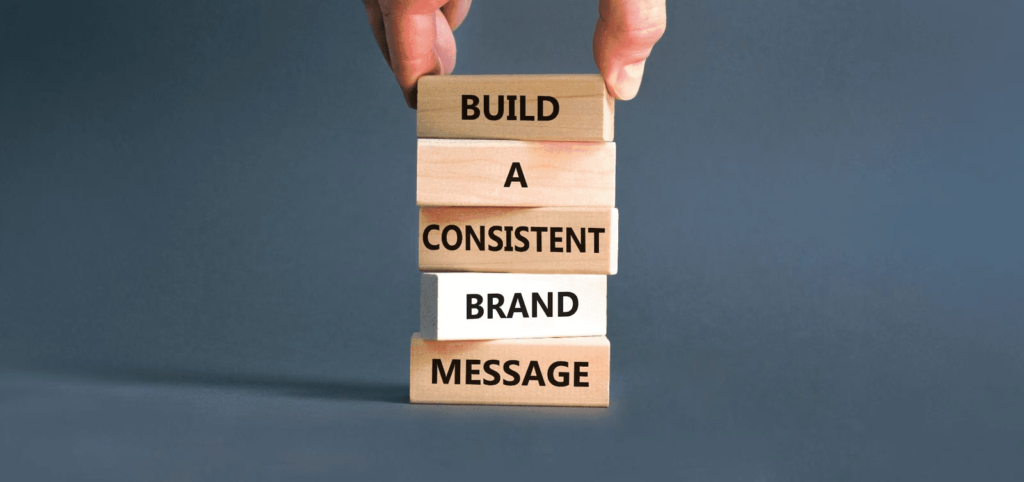
A brand is far more than a logo or company name. It represents the complete experience customers associate with a business. Every interaction—from customer service to packaging and product quality—contributes to the overall brand image.
Strong brands create familiarity. When customers consistently receive positive experiences, confidence grows naturally. This confidence often leads to repeat purchases, recommendations, and long-term loyalty.
The Role of Brand Identity
Brand identity includes visual elements, communication style, company values, and personality. Together, these characteristics create a recognizable image that helps customers distinguish one business from another.
Imagine two neighborhood bakeries selling similar bread. One focuses on handcrafted traditional recipes and warm community relationships. The other emphasizes innovation, modern flavors, and artistic presentation. Although both sell baked goods, their distinct identities attract different customer groups.
Consistency reinforces recognition. Customers should experience similar quality, messaging, and service regardless of where or how they interact with the business.
Earning Customer Trust
Trust develops gradually through reliable actions rather than promises. Honest communication, transparent pricing, dependable quality, responsive customer support, and ethical business practices all contribute to lasting credibility.
Mistakes inevitably happen, but businesses that acknowledge problems openly and resolve them professionally often strengthen customer relationships instead of damaging them. Customers appreciate accountability because it demonstrates genuine commitment to their satisfaction.
Companies that prioritize trust frequently enjoy stronger customer retention, more referrals, and greater resilience during challenging market conditions.
Measuring Marketing Success and Adapting to Change

Marketing is an ongoing learning process rather than a fixed set of activities. Businesses continually evaluate results, gather customer feedback, observe market trends, and refine their approaches based on new information.
Rather than assuming every decision will succeed immediately, experienced marketers treat every campaign, product launch, and customer interaction as an opportunity to learn. This mindset encourages steady improvement instead of chasing perfection.
Measuring Meaningful Results
Success should be evaluated using indicators that reflect genuine business objectives. Customer satisfaction, repeat purchases, product adoption, brand awareness, customer retention, and revenue growth all provide valuable insights into marketing performance.
Numbers alone rarely tell the entire story. Customer reviews, interviews, complaints, and conversations often reveal why certain efforts succeed while others require adjustment. Combining quantitative and qualitative information creates a more complete understanding of performance.
Remaining Flexible in a Changing Market
Consumer preferences evolve as lifestyles, technology, economic conditions, and cultural influences change. Businesses that remain attentive to these shifts can adapt more confidently without abandoning their core values.
For example, changing customer expectations may encourage businesses to introduce environmentally responsible packaging, improve accessibility, expand product options, or simplify purchasing experiences. Adaptability ensures businesses continue delivering value while remaining relevant to changing customer needs.
Organizations that embrace continuous learning typically build stronger customer relationships because they demonstrate a willingness to improve rather than remain static.
Conclusion
Marketing fundamentals provide a timeless framework for understanding customers, creating valuable products, building trusted brands, and sustaining long-term business success. Although marketing tools and communication methods continue to change, the underlying principles remain centered on people. Businesses thrive when they understand customer needs, deliver meaningful value, communicate honestly, and continually improve based on real feedback.
Strong marketing is never about persuasion alone. It is about solving problems, earning confidence, and creating experiences that customers appreciate. Organizations that consistently apply these fundamentals build relationships that extend far beyond individual transactions. Whether launching a new business or strengthening an established one, mastering these core principles lays the foundation for sustainable growth, loyal customers, and lasting success.
Frequently Asked Questions (FAQs)
1. What are marketing fundamentals?
Marketing fundamentals are the basic principles that guide how businesses identify customer needs, create valuable products or services, communicate with customers, and build long-term relationships.
2. Why are marketing fundamentals important?
They provide a structured approach to understanding customers, making informed business decisions, developing competitive products, and creating lasting customer satisfaction.
3. What is the primary goal of marketing?
The primary goal is to create value by meeting customer needs while helping the business achieve sustainable growth and profitability.
4. What are the four fundamental elements of marketing?
The four core elements are product, price, place, and promotion. Together, they form the foundation for delivering value to customers.
5. How does understanding customers improve marketing?
Understanding customers helps businesses design products that solve real problems, communicate more effectively, and build stronger relationships based on trust and relevance.
6. What is market segmentation?
Market segmentation is the process of dividing a broad audience into smaller groups that share similar characteristics, needs, or purchasing behaviors.
7. Why is branding important in marketing?
Branding creates recognition, builds trust, differentiates a business from competitors, and encourages customer loyalty through consistent experiences.
8. How can businesses measure marketing success?
Success can be measured through customer satisfaction, repeat purchases, revenue growth, customer retention, brand awareness, and feedback from customers.
9. Can small businesses benefit from marketing fundamentals?
Yes. Businesses of every size benefit from understanding customers, offering value, communicating effectively, and building strong relationships.
10. Do marketing fundamentals change over time?
The core principles remain largely the same, but businesses must continually adapt their products, communication methods, and customer experiences to reflect changing customer expectations and market conditions.
