
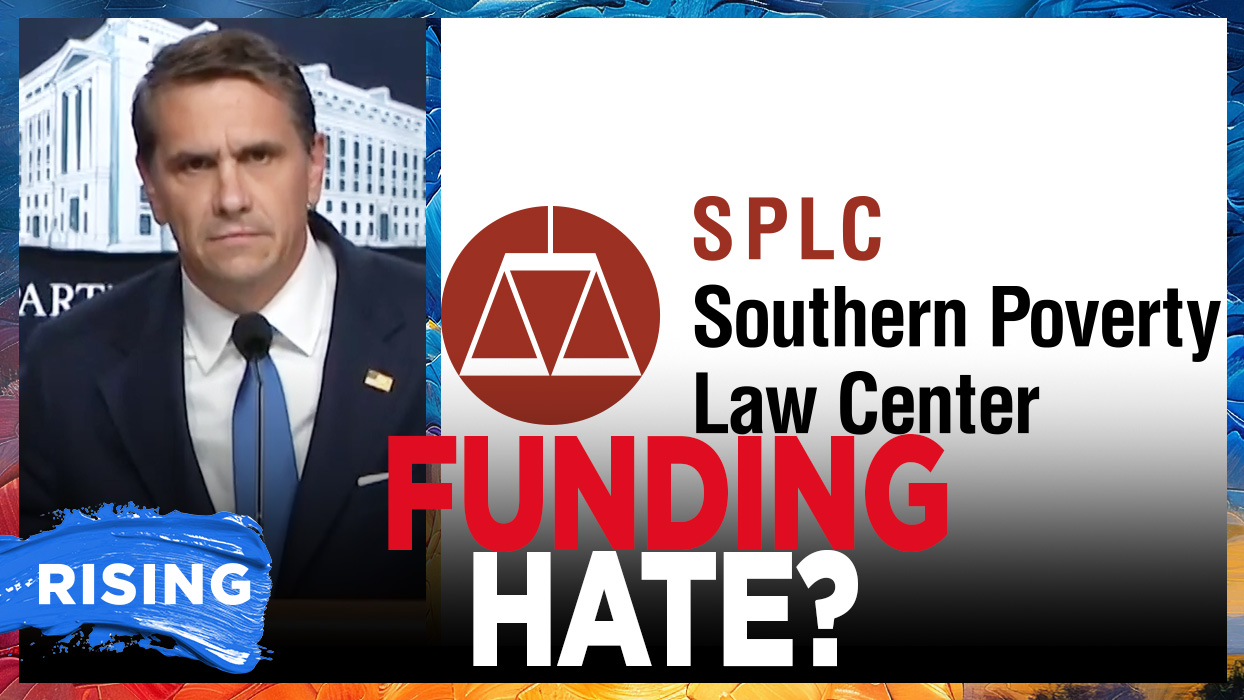

The term SPLC is widely recognized in discussions about civil rights, hate group monitoring, legal advocacy, and political controversy in the United States. SPLC stands for the Southern Poverty Law Center, a nonprofit organization founded in 1971 and based in Montgomery, Alabama. It became known for civil rights litigation, public education, and tracking extremist organizations through research reports and databases.
Over time, splc has built both strong supporters and vocal critics. Supporters praise its legal work and anti-hate efforts, while critics challenge some classifications, fundraising practices, and political influence. In 2026, the organization is also facing significant legal scrutiny tied to allegations regarding paid informants—claims the organization denies.
In this article, we explore the background, mission, major achievements, controversies, public impact, and why splc remains an important topic today.
What Is SPLC?
The splc is a U.S.-based nonprofit legal advocacy organization focused on civil rights and public-interest work. According to its official materials, the organization works to dismantle white supremacy, strengthen inclusive movements, and advance human rights.
Its work generally includes:
- Civil rights litigation
- Research on extremist groups
- Public education programs
- Policy advocacy
- Community support initiatives
- Democracy and voting-rights efforts
Because it combines legal action with research and media visibility, splc has become one of the most recognized advocacy groups in America.
The History of SPLC
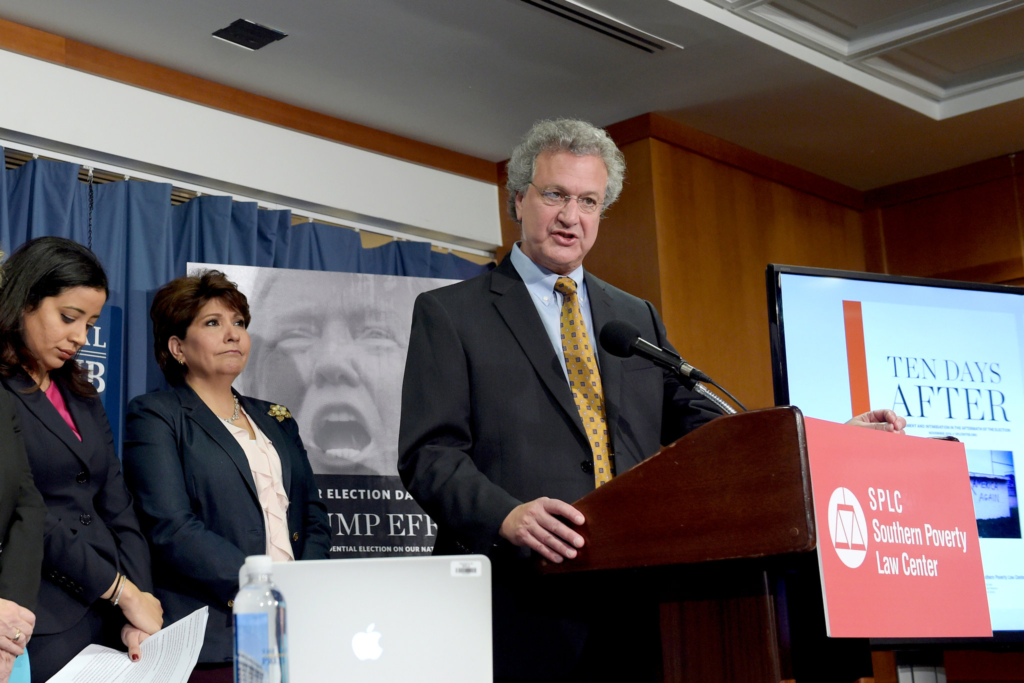
The splc was founded in 1971 by civil rights attorneys Morris Dees and Joseph Levin Jr.. The organization emerged during the post-civil-rights era, when many legal protections existed on paper but were still unevenly enforced in practice.
In its early years, the group became known for representing poor or marginalized individuals who struggled to access legal support. It also brought lawsuits challenging segregation and discrimination.
That early legal reputation helped establish the splc as a serious institution long before it became famous for tracking hate groups.
SPLC Mission and Core Goals
The mission of splc has evolved with changing social conditions, but several core goals remain consistent.
1. Civil Rights Protection
The organization has long focused on discrimination cases involving race, disability, immigration status, gender, and other protected categories.
2. Anti-Extremism Research
Its Intelligence Project became well known for monitoring hate groups and extremist movements.
3. Public Education
The organization has supported educational initiatives related to democracy, inclusion, and history.
4. Community Support
It often partners with grassroots groups and advocates in Southern states and beyond.
These goals help explain why splc remains influential decades after its founding.
SPLC and Hate Group Tracking
One of the biggest reasons splc became nationally known is its tracking of hate groups and extremist organizations. Through annual reports, maps, and research publications, the organization has documented trends in domestic extremism.
Its reports are often cited in media coverage, academic discussions, and public policy debates. Supporters argue this work helps communities understand dangerous movements and ideological violence.
Critics, however, say some labels may be too broad or politically biased. That disagreement is central to many debates about splc.
Major Legal Work Associated With SPLC
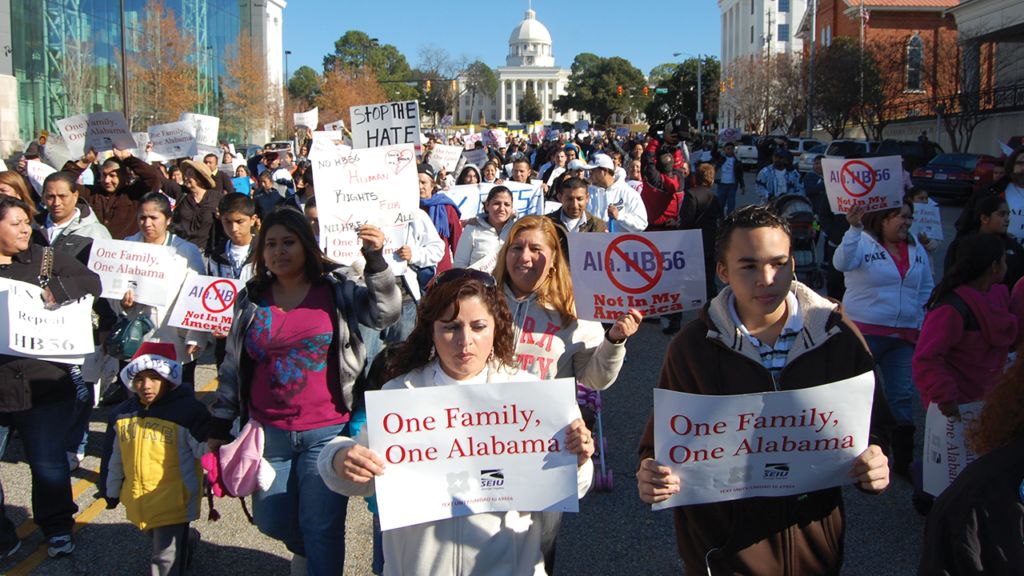
The splc has a long history of litigation. According to its own materials, it has pursued cases involving civil rights abuses, discrimination, and extremist violence.
Examples of areas connected to its legal work include:
- School desegregation
- Prison conditions
- Worker exploitation
- Disability rights
- Immigrant protections
- Actions against violent extremist groups
For supporters, these efforts represent meaningful social impact. For critics, the legal work is sometimes overshadowed by more political or media-facing campaigns.
Why SPLC Became So Influential
The rise of splc can be explained by several factors.
Strong Public Identity
It developed a clear brand around justice, equality, and anti-hate advocacy.
Media Visibility
Its reports and statements are frequently discussed in national news.
Legal Credibility
Courtroom victories helped build institutional legitimacy.
Timely Issues
Topics like extremism, racism, and democracy remain highly relevant.
Donor Support
The organization has raised significant funds over the years, allowing it to expand operations. Reports in 2026 noted a substantial endowment.
These factors helped turn splc into a nationally recognized name.
Criticism of SPLC
No major advocacy group avoids criticism, and splc is no exception.
Common criticisms include:
- Some group labels are disputed
- Perceived ideological bias
- Aggressive fundraising tactics
- Overreliance on media narratives
- Internal governance concerns raised in past reporting
Some critics argue the organization has too much influence over public narratives about extremism. Others believe its work remains necessary despite imperfections.
Understanding splc requires acknowledging both its achievements and its critics.
SPLC in 2026: Legal Controversy
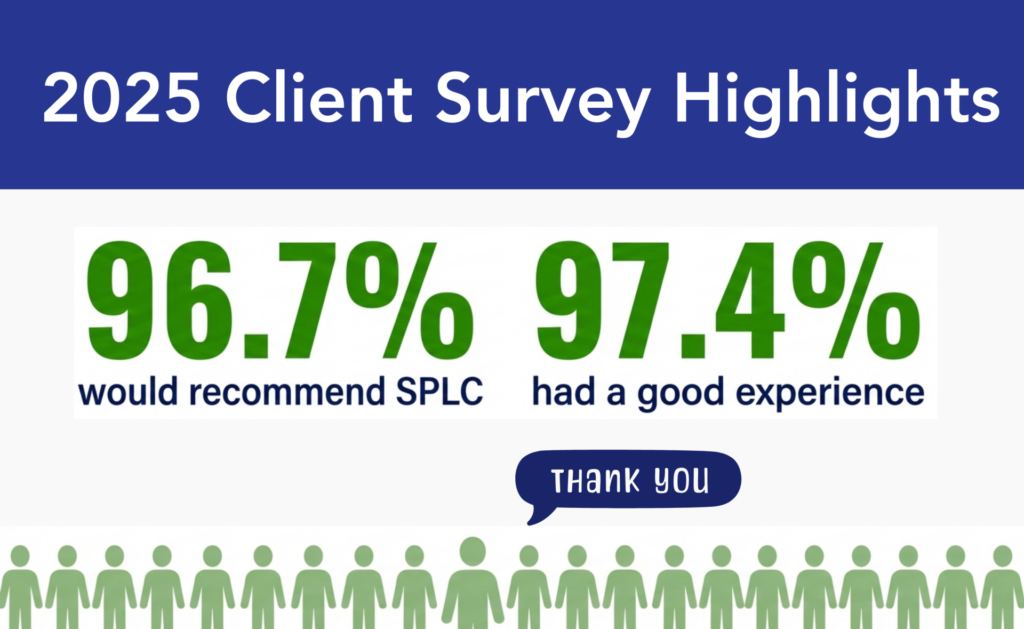
In April 2026, the splc was indicted by the U.S. Department of Justice on allegations involving fraud, false statements, and money-laundering conspiracy tied to past payments to informants embedded in extremist groups. Prosecutors alleged donors were misled about how funds were used. The organization strongly denied wrongdoing and said the informant program was used to gather intelligence and protect lives.
This is a developing legal matter, and allegations are not findings of guilt. The case has intensified national debate around the role and methods of splc.
Supporters’ View of SPLC
People who support splc often make the following arguments:
- It has defended vulnerable communities
- It tracks dangerous extremist networks
- It provides educational resources
- It uses law to challenge discrimination
- It remains a needed watchdog institution
For supporters, criticism is often seen as backlash from those opposed to accountability.
Critics’ View of SPLC
People critical of splc often argue:
- Some classifications damage reputations unfairly
- It has become overly political
- Fundraising incentives distort priorities
- Transparency should be stronger
- Influence exceeds accountability mechanisms
These views are part of why the organization remains controversial.
SPLC and Media Attention
The splc receives frequent media coverage because it operates where law, politics, activism, and public safety intersect.
News stories often focus on:
- Extremism reports
- Court cases
- Political backlash
- Free speech debates
- Hate crime trends
- Organizational controversies
This constant visibility ensures the splc remains relevant in national conversations.
Why SPLC Matters Beyond the United States
Although it is an American organization, splc influences broader conversations about:
- Democratic institutions
- Online radicalization
- Civil rights enforcement
- Nonprofit accountability
- Hate speech and extremism
- Community resilience
Researchers, journalists, and activists in other countries sometimes reference its work or debates around it.
How to Evaluate Information About SPLC
Because splc is polarizing, it helps to evaluate claims carefully.
Check Sources
Use official filings, reputable journalism, and primary documents.
Separate Opinion From Fact
Strong opinions exist on all sides.
Understand Context
A legal case, report, or label may have a larger background story.
Compare Perspectives
Read both supporters and critics.
This approach leads to a more balanced understanding of splc.
Frequently Asked Questions About SPLC
What does SPLC stand for?
It stands for the Southern Poverty Law Center.
When was SPLC founded?
It was founded in 1971.
What is SPLC known for?
It is known for civil rights litigation and tracking hate groups.
Is SPLC controversial?
Yes. It has both strong supporters and strong critics.
What happened in 2026?
The organization faced federal criminal charges it denies. The case is ongoing.
Final Thoughts on SPLC
The story of splc is complex. It is an organization associated with important civil-rights work, major public influence, and serious controversy. For some, it represents justice and vigilance. For others, it raises questions about power, labeling, and accountability.
Whatever perspective someone holds, splc remains a significant institution in modern American public life. Its future will likely be shaped not only by its mission and supporters, but also by how it responds to criticism, legal scrutiny, and a rapidly changing political environment.
