

Introduction
LinkedIn games have quickly become one of the most talked-about features on the professional networking platform. What started as a business-focused website for resumes, recruiting, and career development has now evolved into a place where users can sharpen their minds while connecting with colleagues and friends through entertaining daily puzzles. These games are designed to encourage engagement, improve critical thinking, and create a more interactive online experience for professionals worldwide.
The popularity of linkedin games has surged because they combine productivity with entertainment. Unlike traditional gaming platforms, these puzzles are short, intelligent, and socially engaging. Whether you are solving logic problems during a lunch break or comparing scores with coworkers, LinkedIn’s gaming experience brings a fresh layer of excitement to professional networking. In this detailed guide, you will learn everything about LinkedIn games, including how they work, why they became popular, the different types available, and how they may shape the future of professional social media.
What Are LinkedIn Games?
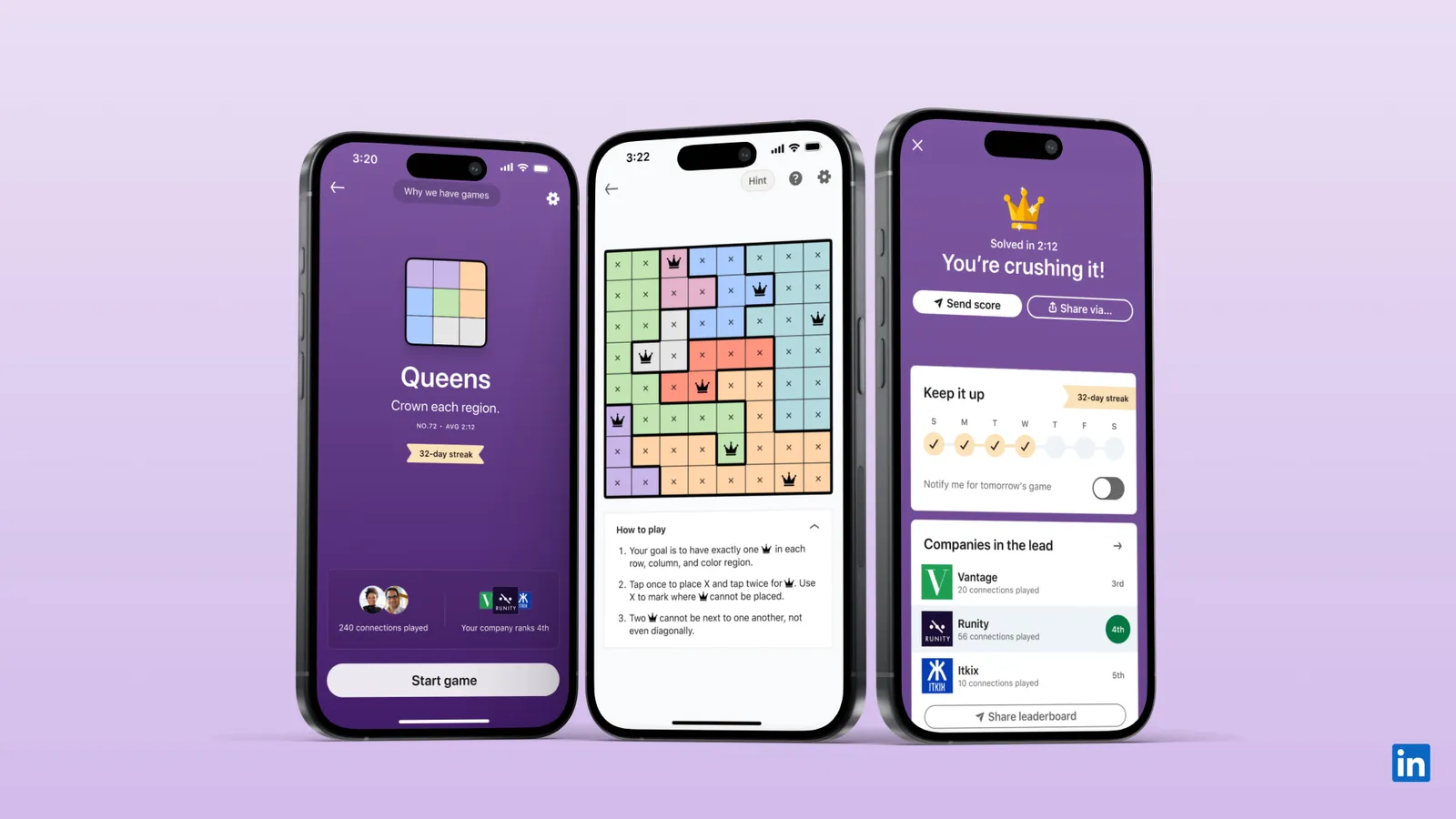
LinkedIn games are browser-based puzzle games integrated directly into the LinkedIn platform. These games were introduced to encourage daily user engagement while also stimulating problem-solving and analytical thinking. Unlike action-packed mobile games, LinkedIn’s offerings focus on mental challenges that align with professional development and cognitive improvement.
The platform designed these games to appeal to a broad audience of professionals. From students and recruiters to executives and freelancers, users can participate in daily puzzle challenges that test logic, vocabulary, strategy, and pattern recognition. The games are intentionally simple and accessible, making them ideal for short breaks during work hours.
One reason linkedin games became so successful is their social component. Players can compare results with their professional connections, encouraging friendly competition. This feature creates conversations and interactions among users who might otherwise only communicate about work-related topics. The result is a more engaging and humanized networking environment.
Another important aspect is accessibility. LinkedIn games are available directly within the platform, meaning users do not need to download additional apps or software. This convenience allows professionals to quickly jump into a puzzle between meetings or during downtime, increasing overall platform activity and retention.
Why LinkedIn Games Became So Popular
The rise of linkedin games reflects changing trends in digital engagement and workplace culture. Modern professionals increasingly seek balance between productivity and entertainment. LinkedIn recognized this shift and introduced games that feel intellectually rewarding instead of distracting.
One major reason for their popularity is the growing interest in brain-training activities. Many users enjoy puzzles that improve concentration, memory, and critical thinking. LinkedIn games satisfy this demand by offering quick mental exercises that feel productive rather than purely recreational. Unlike endless scrolling on social media, solving a puzzle provides a sense of accomplishment.
The social sharing element also plays a huge role. Users can share scores, streaks, and achievements with their connections. This creates an environment of positive competition and interaction. Coworkers often challenge each other, while recruiters and professionals engage in casual conversations sparked by gaming results. Such interactions strengthen professional relationships in a fun and relaxed way.
Another reason for the popularity of linkedin games is their daily challenge format. Since new puzzles appear every day, users return regularly to maintain streaks and improve scores. This routine helps LinkedIn increase daily active users while building consistent engagement habits among professionals.
The simplicity of the games contributes to their widespread appeal as well. They are easy to understand, require no gaming experience, and can be completed within minutes. Busy professionals appreciate activities that fit seamlessly into their schedules without demanding long periods of attention.
Different Types of LinkedIn Games
LinkedIn games include several puzzle styles designed to challenge different cognitive skills. Each game offers unique mechanics while remaining accessible to a wide audience. These daily games encourage users to think critically, identify patterns, and solve problems creatively.
One of the most popular categories is word-based puzzles. These games test vocabulary, spelling, and language comprehension. Players arrange letters, discover hidden words, or solve linguistic challenges under specific conditions. Such games appeal strongly to professionals who enjoy communication-focused tasks.
Logic and strategy games are another important category. These puzzles require players to think ahead, organize information, and identify solutions using reasoning skills. Many users enjoy these games because they resemble problem-solving situations encountered in business and professional environments.
Pattern-recognition games also attract significant attention. These challenges focus on identifying trends, sequences, or visual arrangements. They help improve concentration and analytical thinking while offering a satisfying sense of progression as players improve over time.
The variety of linkedin games ensures long-term engagement. Different puzzle formats prevent boredom and encourage users with diverse interests to participate regularly. Some users prefer language-based challenges, while others enjoy numerical or strategic puzzles. This diversity allows LinkedIn to appeal to a broader audience across industries and age groups.
The platform continues experimenting with new gaming concepts and mechanics. As user engagement grows, LinkedIn may introduce multiplayer elements, leaderboards, team competitions, or industry-themed puzzles tailored to professional interests.
How LinkedIn Games Improve Professional Engagement
LinkedIn games are more than simple entertainment. They play an important role in increasing user engagement and fostering stronger professional relationships. By introducing interactive content, LinkedIn transformed the platform from a purely career-focused network into a more dynamic social environment.
One major benefit is improved networking. Games create natural conversation starters among colleagues, recruiters, and industry professionals. Instead of beginning interactions with formal business topics, users can connect through shared puzzle experiences. This humanizes professional relationships and makes networking less intimidating.
These games also encourage consistent platform usage. Many professionals previously visited LinkedIn only when job hunting or updating profiles. However, daily puzzles motivate users to log in regularly, increasing overall activity. Higher engagement levels benefit both users and the platform itself by creating more opportunities for networking and content discovery.
Another advantage is mental stimulation. Puzzle-solving exercises help improve memory, focus, and decision-making skills. Professionals often use linkedin games as short mental refreshers during work breaks. Completing a quick challenge can reduce stress while sharpening concentration before returning to tasks.
LinkedIn games also support workplace culture in subtle ways. Teams and coworkers frequently discuss scores, streaks, and strategies, creating friendly interactions that strengthen morale. In remote work environments especially, shared gaming experiences help maintain social connection among colleagues.
For recruiters and companies, the gaming feature indirectly boosts employer branding. Organizations that encourage engagement with modern workplace trends appear more innovative and people-focused. Employees who interact socially on LinkedIn often contribute to a more vibrant company presence online.
The Future of LinkedIn Games
The future of linkedin games looks highly promising as digital platforms increasingly blend entertainment with productivity. Gamification has become a major trend across social media, education, and workplace tools. LinkedIn’s success with daily puzzles suggests that users appreciate experiences combining learning, interaction, and fun.
One likely development is the introduction of personalized gaming experiences. LinkedIn may eventually tailor puzzles based on users’ industries, skills, or interests. For example, marketing professionals could receive branding-related challenges, while engineers might encounter logic-based technical puzzles.
Artificial intelligence could also play a major role in shaping future linkedin games. AI-driven systems may analyze user performance and adjust difficulty levels accordingly. This personalization would create a more engaging and rewarding experience while encouraging long-term participation.
Another possibility involves collaborative gameplay. LinkedIn may introduce team-based competitions where coworkers or professional groups solve puzzles together. Such features could strengthen workplace collaboration and create stronger online communities within industries and organizations.
Educational integration represents another exciting opportunity. Future linkedin games might incorporate career-development concepts, leadership exercises, or communication training. This would blur the line between entertainment and professional growth, making gaming even more valuable for users.
The rise of mobile-first engagement may also influence future updates. LinkedIn could expand its gaming ecosystem with enhanced mobile interfaces, faster gameplay, and interactive social features optimized for smartphones. Since many professionals use LinkedIn on mobile devices, this evolution seems highly likely.
As the platform continues growing, linkedin games may become a permanent part of professional digital culture. Their combination of intellectual challenge, social interaction, and accessibility positions them as an innovative feature within modern networking platforms.
Benefits of Playing LinkedIn Games Daily
Playing linkedin games daily offers several cognitive and social benefits. While the games are simple, consistent participation can positively influence mental sharpness, engagement habits, and professional interaction.
Daily puzzles stimulate the brain by encouraging problem-solving and pattern recognition. Regular mental exercises help maintain focus and analytical thinking skills, which are valuable in professional environments. Many users treat these games as short productivity breaks that refresh the mind without causing distraction.
The games also encourage discipline through streak systems and recurring challenges. Users who return every day develop habits around consistent engagement and goal completion. These small routines can create a satisfying sense of progress and achievement.
Socially, linkedin games strengthen professional relationships. Friendly competition often leads to conversations, reactions, and shared experiences among colleagues. This interaction creates a more approachable and enjoyable networking atmosphere compared to traditional professional communication.
Another benefit is stress relief. Short puzzle sessions provide a mental escape during busy workdays. Unlike time-consuming entertainment platforms, LinkedIn’s quick games fit naturally into professional schedules while still delivering enjoyment and relaxation.
The educational value should not be overlooked either. Many puzzles improve vocabulary, reasoning, and strategic thinking. These skills contribute to professional effectiveness and lifelong learning, making the gaming experience both fun and intellectually rewarding.
Conclusion
LinkedIn games have transformed the professional networking experience by adding entertainment, interaction, and cognitive challenges to the platform. These daily puzzles appeal to professionals seeking quick, meaningful engagement that combines fun with mental stimulation. From word challenges to logic-based puzzles, the games provide accessible entertainment without compromising the platform’s professional identity.
The success of linkedin games demonstrates how modern users value experiences that balance productivity and enjoyment. By encouraging social interaction, improving daily engagement, and promoting brain-training activities, LinkedIn created a unique feature that stands out in the crowded world of social media.
As gamification continues evolving, linkedin games are likely to become even more advanced and personalized. Whether through AI-powered customization, collaborative challenges, or educational integration, the future holds exciting possibilities for professionals who enjoy combining networking with intellectual entertainment.
For users seeking a smarter way to relax, connect, and sharpen their minds, LinkedIn games offer an innovative and engaging solution that fits perfectly into today’s digital workplace culture.
