

Introduction
What is freelancing? It’s a question many people ask when exploring new ways to earn an income, gain professional freedom, or escape the traditional nine-to-five routine. Freelancing is more than simply working from home or choosing your own hours. It is a professional career path where individuals offer their skills and services directly to clients without becoming permanent employees.
The freelance economy has transformed how businesses and professionals connect. Companies can hire experts for specific projects, while skilled individuals have the opportunity to work with clients across different industries and even different countries. Whether someone specializes in writing, graphic design, programming, accounting, marketing, consulting, or countless other professions, freelancing creates opportunities that traditional employment often cannot provide.
Choosing to freelance requires more than technical ability. It involves managing clients, setting prices, handling deadlines, marketing personal services, and continuously improving professional skills. For many people, this combination of independence and responsibility creates an exciting and rewarding career.
This guide explains freelancing in detail, covering how it works, its advantages and challenges, the skills needed to succeed, and practical advice for anyone considering this career path.
Understanding What Freelancing Really Means
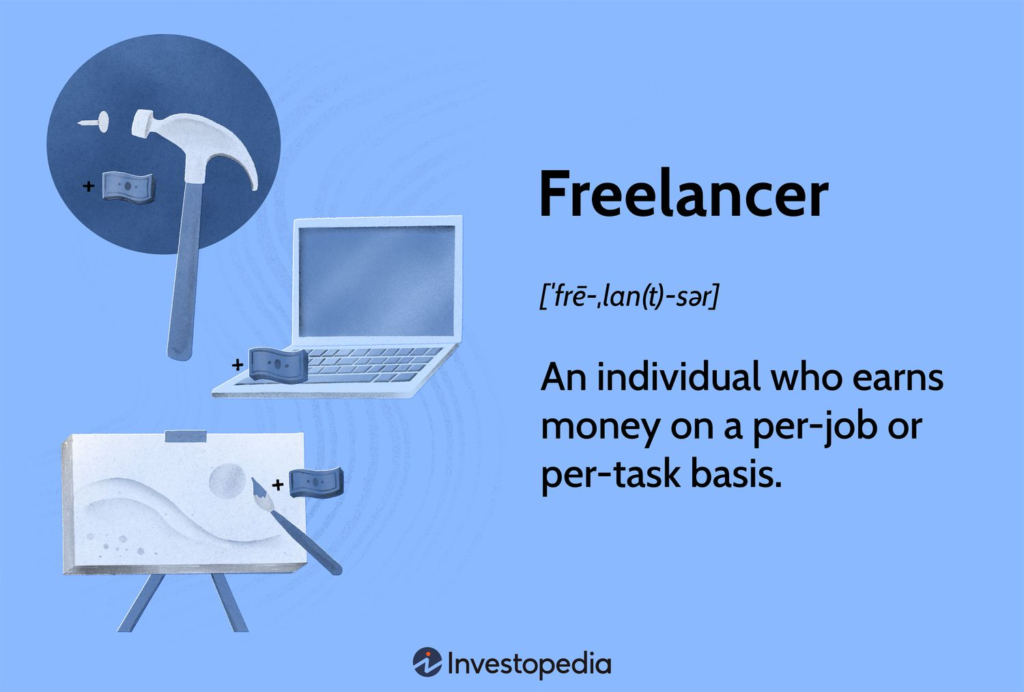
Freelancing is a type of self-employment where professionals work independently rather than being hired as full-time employees by one company. Instead of receiving a regular salary from a single employer, freelancers earn money by completing projects or providing services for multiple clients. Each assignment may last a few hours, several weeks, or even months depending on the agreement between the freelancer and the client.
Unlike traditional employment, freelancers typically decide which projects they accept, how much they charge, and when they work. This flexibility allows people to create careers that match their personal goals, interests, and lifestyles. Some freelancers choose to work full-time, while others freelance alongside a regular job to earn additional income or explore a new career path.
How Freelancing Works
A freelance relationship usually begins when a client needs a specific service. The client explains the project requirements, expected timeline, and budget. The freelancer evaluates the work, discusses details, and provides a proposal or quote. Once both parties agree, the project begins according to the agreed terms.
Throughout the project, freelancers communicate with clients, complete assignments, deliver work, make revisions if necessary, and receive payment after meeting the project’s requirements. Many experienced freelancers build long-term relationships with clients, leading to recurring work and stable income over time.
Common Freelance Industries
Freelancing is no longer limited to creative professions. Today, professionals from nearly every field can work independently. Popular freelance careers include content writing, graphic design, web development, software engineering, video editing, digital illustration, bookkeeping, virtual assistance, photography, translation, online tutoring, consulting, project management, social media management, voice-over work, and business coaching.
The variety of opportunities means individuals can often build freelance careers around existing skills rather than learning an entirely new profession.
Benefits of Choosing Freelancing as a Career

One of the biggest reasons people choose freelancing is the freedom it offers. Freelancers usually decide where they work, when they work, and which projects they accept. This flexibility makes it easier to balance professional responsibilities with personal commitments, family life, education, or travel.
For many professionals, freelancing removes geographical limitations. Someone living in a small town can work with companies located in major cities or even international organizations without relocating. Technology has made remote collaboration simple through video meetings, cloud storage, messaging platforms, and project management tools.
Another major advantage is the opportunity to diversify income. Instead of relying on one employer, freelancers often have multiple clients. While losing one client can still affect earnings, having several income sources reduces dependence on a single organization. Over time, experienced freelancers can also increase their rates as their expertise, reputation, and portfolio grow.
Professional Growth and Skill Development
Freelancing naturally encourages continuous learning. Every project introduces new challenges, industries, clients, and expectations. This constant exposure helps freelancers improve technical skills, communication abilities, problem-solving techniques, and business management experience.
Because freelancers often work with businesses of different sizes, they gain insights into various industries that traditional employees may never encounter. A freelance graphic designer, for example, might create branding for restaurants, healthcare companies, educational institutions, and technology startups within the same year. This variety strengthens adaptability and expands professional expertise.
Challenges Freelancers Should Prepare For
Although freelancing offers many rewards, it also comes with responsibilities that shouldn’t be overlooked. Unlike salaried employees, freelancers usually don’t receive guaranteed monthly income, paid vacation, retirement contributions, or employer-sponsored health benefits. Income may fluctuate depending on client demand, seasonal trends, and market conditions.
Managing inconsistent income requires careful financial planning. Successful freelancers often maintain emergency savings, track business expenses carefully, and budget conservatively during busy periods to prepare for slower months.
Finding clients is another ongoing responsibility. Freelancers aren’t simply paid for doing professional work; they also spend time marketing their services, networking, preparing proposals, attending meetings, negotiating contracts, and following up with potential clients. These business activities are essential for maintaining a steady workflow.
Managing Time and Expectations
Working independently requires strong self-discipline. Without managers supervising daily activities, freelancers must organize schedules, prioritize projects, avoid distractions, and consistently meet deadlines.
Client communication also plays a major role in success. Misunderstandings about project scope, timelines, revisions, or payment terms can create unnecessary stress. Clear agreements from the beginning help both freelancers and clients understand expectations, reducing confusion throughout the project.
Experienced freelancers understand that professionalism extends beyond delivering quality work. Reliability, honesty, responsiveness, and respectful communication often determine whether clients return with future projects.
Skills Every Successful Freelancer Should Develop

Technical expertise is the foundation of every freelance career. Clients hire freelancers because they possess specialized knowledge that solves specific problems. Whether someone writes articles, develops software, edits videos, or provides financial consulting, delivering consistently high-quality work builds trust and encourages repeat business.
However, technical ability alone rarely guarantees long-term success. Freelancers also need strong interpersonal and business skills. Communicating clearly with clients, asking thoughtful questions, understanding project goals, and managing expectations are just as valuable as completing the work itself.
Essential Business Skills
Freelancers effectively operate small businesses, even if they work alone. They must understand pricing, invoicing, budgeting, negotiation, record keeping, and basic financial management. Learning how to estimate project costs accurately helps prevent underpricing or accepting unrealistic workloads.
Marketing personal services is another valuable skill. Building a professional portfolio, collecting testimonials, maintaining an active professional presence, and developing a strong reputation all contribute to attracting new opportunities.
Continuous Learning Creates Long-Term Success
Markets evolve, industries change, and client expectations grow. Freelancers who remain curious and invest in learning new tools, technologies, and industry trends often stay competitive for years.
Reading professional publications, attending workshops, earning certifications, participating in industry communities, and practicing new techniques all help freelancers expand their expertise. Clients appreciate professionals who continue improving rather than relying solely on past experience.
How to Start Freelancing Successfully
Beginning a freelance career doesn’t require quitting a full-time job immediately. Many successful freelancers start gradually, accepting small projects during evenings or weekends while building experience, confidence, and a client base. This approach reduces financial pressure and allows people to understand the realities of freelance work before making it a full-time career.
The first step is identifying marketable skills. People often underestimate abilities they’ve developed through education, previous jobs, hobbies, or volunteer work. Writing, customer service, design, programming, bookkeeping, translation, consulting, teaching, and administrative support all have freelance opportunities.
Creating a professional portfolio is equally important. Clients want evidence that a freelancer can produce quality work. Even beginners can develop sample projects that demonstrate their abilities. A carefully prepared portfolio showcases professionalism and gives potential clients confidence in hiring someone with limited commercial experience.
Setting Fair Prices
Pricing can feel challenging for beginners. Charging too little may attract clients initially but can make building a sustainable business difficult. Charging unrealistically high rates without experience may discourage potential clients.
A balanced approach involves researching market rates, considering project complexity, estimating the time required, and gradually increasing prices as experience and reputation grow. Many freelancers review their pricing regularly rather than keeping the same rates indefinitely.
Building Long-Term Client Relationships
Acquiring a new client often requires significant effort, making long-term relationships especially valuable. Delivering projects on time, communicating openly, accepting constructive feedback, and maintaining professionalism encourage repeat business.
Satisfied clients frequently recommend reliable freelancers to colleagues, friends, and business partners. These referrals can become one of the most valuable sources of consistent work because they come with an existing level of trust.
Building a reputation takes time, but every successful project strengthens credibility. Consistency, integrity, and dependable service often matter just as much as technical excellence when developing a sustainable freelance career.
Conclusion
Freelancing offers an alternative to traditional employment by allowing professionals to work independently, choose their clients, and shape careers around their own goals. It combines flexibility with responsibility, giving individuals the freedom to decide how they work while requiring strong discipline, effective communication, and continuous learning.
Success in freelancing doesn’t happen overnight. It grows through consistent effort, professional relationships, quality work, and a willingness to adapt as industries evolve. While challenges such as income fluctuations and client acquisition require careful planning, many freelancers find the independence, variety, and opportunities for growth well worth the commitment.
For anyone asking, “What is freelancing?” the answer extends far beyond flexible working hours. Freelancing represents a professional mindset built on expertise, accountability, and the confidence to create opportunities through one’s own skills. With preparation, persistence, and dedication, it can become a rewarding and sustainable long-term career.
Frequently Asked Questions (FAQs)
1. What is freelancing in simple words?
Freelancing is working independently by providing services to clients without being permanently employed by one company.
2. Do freelancers have fixed working hours?
No. Most freelancers set their own schedules, although client deadlines and meetings may influence their working hours.
3. Can freelancing become a full-time career?
Yes. Many professionals earn a full-time income through freelancing by building strong client relationships and maintaining a consistent workload.
4. What skills are most in demand for freelancers?
Popular freelance skills include writing, graphic design, programming, web development, video editing, bookkeeping, consulting, marketing, translation, and virtual assistance.
5. How do beginners find their first freelance clients?
Beginners often start by creating a strong portfolio, networking, applying for freelance projects, asking for referrals, and demonstrating their expertise through sample work.
6. Is freelancing better than a regular job?
Neither option is universally better. Freelancing offers flexibility and independence, while traditional employment often provides stable income and employee benefits.
7. Do freelancers pay taxes?
Yes. Freelancers are generally responsible for reporting their income and paying taxes according to the laws in their country.
8. Can students start freelancing?
Yes. Students frequently freelance part-time to gain practical experience, build professional skills, and earn additional income while continuing their education.
9. What are the biggest challenges freelancers face?
Common challenges include finding clients, managing irregular income, handling administrative tasks, maintaining work-life balance, and staying motivated without direct supervision.
10. How long does it take to become a successful freelancer?
The timeline varies depending on skills, experience, consistency, networking, and market demand. Some freelancers gain steady clients within a few months, while others gradually build their businesses over several years.
