


The term clavicular is commonly used in medical, anatomical, and fitness discussions. It refers to anything related to the clavicle, which is the collarbone connecting the shoulder to the breastbone. Although it is a small bone, the clavicle plays a major role in shoulder movement, posture, upper body strength, and arm stability.
Many people search for clavicular when they experience collarbone pain, hear about a clavicular fracture, or want to understand anatomy better. Athletes, fitness enthusiasts, and patients recovering from injuries often need reliable information about this important area of the body.
In this complete guide, we will explain the meaning of clavicular, clavicle anatomy, common injuries, pain causes, diagnosis, treatments, recovery tips, exercises, and prevention strategies in simple language.
What Does Clavicular Mean?
The word clavicular means related to the clavicle or collarbone. Doctors may use this term when describing muscles, joints, ligaments, fractures, or pain near the collarbone area.
Common Uses of the Word Clavicular
- Clavicular fracture
- Clavicular pain
- Clavicular joint
- Clavicular ligament
- Clavicular region
- Clavicular movement
If you hear the term in a clinic or read it in a report, it usually points to the collarbone area.
Clavicular Anatomy Explained
To understand the clavicular region, it helps to know basic anatomy.
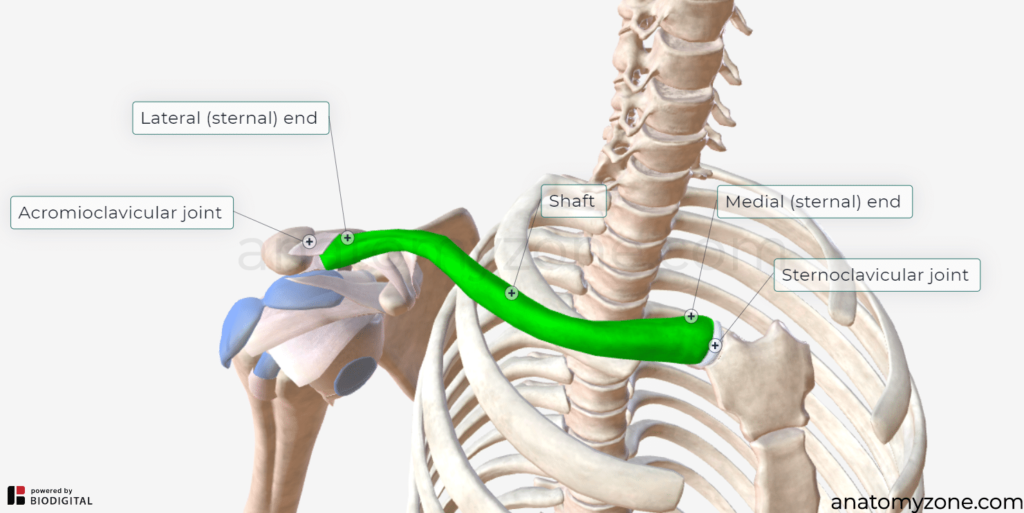
The clavicle is a long, curved bone located horizontally at the top of the chest. It connects:
- The sternum (breastbone) in the center
- The scapula (shoulder blade) on the side
This connection creates shoulder stability and allows smooth arm motion.
Main Functions of the Clavicle
- Supports shoulder position
- Protects nerves and blood vessels
- Transfers force from arm to trunk
- Assists with movement and posture
- Helps upper body balance
Without a healthy clavicle, arm movement becomes limited and painful.
Why the Clavicular Area Is Important
The clavicular area is involved in many daily activities such as lifting, pushing, pulling, reaching, and carrying.
Everyday Movements That Use the Clavicle
- Raising your arms
- Carrying bags
- Throwing objects
- Pushing doors
- Typing with posture support
- Sports movements like swimming or tennis
Even simple tasks depend on proper collarbone function.
Common Clavicular Injuries
The clavicle is one of the most commonly fractured bones, especially in sports and falls.
Clavicular Fracture
A fracture means the collarbone is cracked or broken.
Common Causes
- Falling on the shoulder
- Bike accidents
- Sports collisions
- Car accidents
- Direct impact trauma
Symptoms
- Sharp pain
- Swelling
- Bruising
- Difficulty moving arm
- Visible bump or deformity
A clavicular fracture often needs medical evaluation and imaging.
Clavicular Joint Problems
There are two important joints involving the clavicle:
Sternoclavicular Joint
Where the clavicle meets the breastbone.
Acromioclavicular Joint
Where the clavicle meets the shoulder blade.
These joints can develop pain, arthritis, sprains, or instability.
Causes of Clavicular Pain
Not all collarbone discomfort means a fracture. Many conditions can cause clavicular pain.
1. Muscle Strain
Overuse of surrounding muscles can create soreness near the clavicle.
2. Poor Posture
Rounded shoulders and slouching increase pressure in the collarbone region.
3. Arthritis
Joint wear and inflammation can affect clavicular joints.
4. Ligament Injury
Ligaments supporting the collarbone may stretch or tear.
5. Repetitive Stress
Frequent overhead movement can irritate nearby tissues.
6. Referred Pain
Neck or shoulder issues may create pain near the clavicle.
Clavicular Pain Symptoms to Watch
Symptoms depend on the cause, but common signs include:
- Tenderness
- Swelling
- Pain with lifting arm
- Clicking sensation
- Limited shoulder motion
- Visible asymmetry
- Weakness
- Bruising
If symptoms are severe or sudden, medical care is recommended.
How Doctors Diagnose Clavicular Problems
A healthcare provider usually uses several steps to diagnose a clavicular condition.
Medical History
Questions about injury, pain level, and activity.
Physical Examination
Checking tenderness, movement, swelling, and alignment.
Imaging Tests
- X-ray
- CT scan
- MRI
- Ultrasound in some cases
These tools help identify fractures, joint damage, or soft tissue problems.
Treatment for Clavicular Injuries
Treatment depends on whether the issue is mild, moderate, or severe.
Mild Clavicular Pain Treatment
For strain or minor irritation:
- Rest
- Ice packs
- Pain relief medication
- Posture correction
- Gentle stretching
Moderate Clavicular Injury Treatment
For sprains or stronger pain:
- Sling support
- Physical therapy
- Activity modification
- Anti-inflammatory care
Severe Clavicular Fracture Treatment
Some fractures may require:
- Immobilization
- Surgical repair
- Plates or screws
- Rehabilitation exercises
Always follow professional advice for fractures.
Clavicular Surgery: When Is It Needed?
Not every broken collarbone needs surgery. However, surgery may be recommended if:
- Bone ends are far apart
- Skin is threatened
- Multiple fragments exist
- Nerve or vessel risk is present
- Healing fails naturally
- High-level athletic demands exist
Modern surgery often helps restore alignment and function.
Recovery Time for Clavicular Injuries
Healing time varies by age, health, and severity.
Typical Recovery Ranges
- Mild strain: 1 to 3 weeks
- Joint sprain: 3 to 8 weeks
- Simple fracture: 6 to 12 weeks
- Surgical recovery: several months with rehab
Patience is important because returning too early may delay healing.
Best Exercises for Clavicular Recovery
Only begin exercises when approved by a professional.
Early Clavicular Mobility Exercises
- Shoulder rolls
- Pendulum movements
- Gentle neck stretches
Strengthening Phase
- Resistance band rows
- Scapular retraction
- Light shoulder raises
- Controlled arm motion drills
These movements improve strength and posture safely.
Clavicular and Fitness Training
Fitness enthusiasts often hear the term clavicular in relation to upper chest training.
For example, some trainers refer to the clavicular head of the pectoral muscle, which is the upper chest area activated during incline pressing movements.
Exercises That Target This Area
- Incline bench press
- Incline dumbbell press
- Low-to-high cable fly
- Push-up variations
This is why the word appears in gym programs and bodybuilding guides.
How to Prevent Clavicular Injuries
Prevention is always better than treatment.
Smart Prevention Tips
- Improve posture
- Warm up before exercise
- Strengthen shoulders and upper back
- Use proper sports technique
- Wear protective gear
- Avoid risky falls when possible
- Increase training gradually
Strong surrounding muscles help protect the collarbone.
Clavicular Issues in Athletes
Athletes are more likely to face collarbone injuries due to contact, speed, and repetitive motion.
Higher Risk Sports
- Cycling
- Football
- Rugby
- Martial arts
- Snowboarding
- Basketball
- Gymnastics
Quick diagnosis helps athletes return safely.
When to See a Doctor for Clavicular Pain
Seek medical attention if you have:
- Severe pain
- Inability to lift arm
- Visible deformity
- Swelling after trauma
- Numbness
- Tingling
- Fever with pain
- Ongoing symptoms for weeks
Ignoring symptoms may worsen the condition.
Clavicular Myths and Facts
Myth: All Collarbone Pain Means Fracture
Fact: Many cases come from strain, posture, or joint irritation.
Myth: Surgery Is Always Required
Fact: Many fractures heal without surgery.
Myth: Once Healed, No Rehab Is Needed
Fact: Strength and mobility work are often important.
Myth: Only Athletes Get Clavicular Problems
Fact: Office workers and everyday people can also develop issues.
Frequently Asked Questions
Is Clavicular the Same as Collarbone?
Clavicular means related to the clavicle, and the clavicle is the collarbone.
Can I Exercise With Clavicular Pain?
It depends on the cause. Mild soreness may improve with rest, but injuries should be assessed.
How Long Does a Broken Clavicle Take to Heal?
Many cases heal in 6 to 12 weeks, but recovery varies.
Can Poor Posture Cause Clavicular Pain?
Yes, poor posture can strain the surrounding muscles and joints.
Is Clavicular Pain Serious?
Sometimes it is minor, but sudden trauma or severe symptoms should be checked immediately.
Final Thoughts
The clavicular region may seem small, but it plays a major role in movement, strength, posture, and shoulder health. From everyday tasks to sports performance, the clavicle supports many functions people often take for granted.
Understanding common clavicular injuries, pain causes, treatments, and prevention strategies can help you recover faster and reduce future risk. Whether your concern is a fracture, posture discomfort, joint irritation, or upper chest training, knowledge is the first step toward better results.
