

Introduction
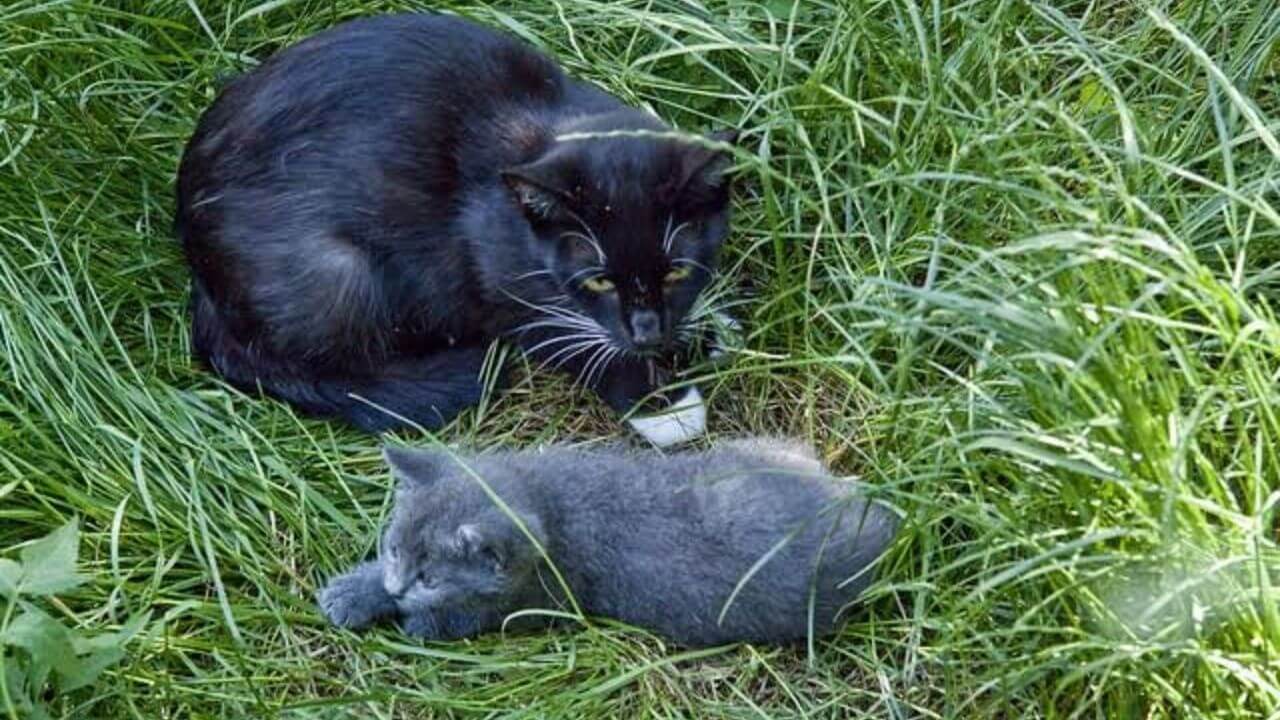
The story of the hp lovecraft cat has become one of the most discussed and controversial footnotes in literary history. While H.P. Lovecraft is remembered for pioneering cosmic horror and inspiring generations of writers, readers often discover another part of his biography that raises difficult questions: the name of a black cat he owned during childhood.
For many people, curiosity about the cat begins with a simple question. Was the story true, or merely an internet rumor? The answer is that the cat did exist, and historical evidence strongly suggests that it bore a deeply offensive racial slur as its name. That uncomfortable fact has become part of broader conversations about Lovecraft himself, whose personal writings reveal racist beliefs that have been widely criticized by scholars, authors, and readers alike.
Understanding the story requires more than repeating a shocking detail. It calls for examining the historical context, separating documented facts from myths, and considering how modern audiences approach the complicated legacy of influential artists. The tale of Lovecraft’s cat is ultimately about much more than a pet—it reflects changing social values, historical memory, and the challenge of appreciating literary achievements while acknowledging personal flaws.
The History Behind H.P. Lovecraft’s Childhood Cat
A Family Pet with a Disturbing Name
Howard Phillips Lovecraft was born in Providence, Rhode Island, in 1890. During his childhood, he grew up in a household that included a black cat whose name has become infamous because it incorporated a racial slur that is deeply offensive today. Surviving letters, memoirs, and historical references make it clear that the cat was real rather than fictional.
The cat occasionally appeared in Lovecraft’s correspondence and family recollections. Unlike many internet stories that become exaggerated over time, this detail is supported by historical documentation. Unfortunately, that documentation also confirms that the offensive name was genuinely used within his household.
Readers encountering this fact for the first time are often surprised because it contrasts sharply with the imaginative worlds Lovecraft created. Yet biographical research consistently shows that the cat’s name reflected attitudes that were present within parts of American society during the late nineteenth and early twentieth centuries, even though such language was harmful then and remains unacceptable today.
Historical Context Without Excusing the Past
Understanding history means recognizing context without treating it as justification. Racism existed long before Lovecraft’s lifetime, and offensive language was unfortunately more common in some communities than it is today. However, historical context should never be mistaken for moral approval.
Modern historians generally agree that Lovecraft’s documented racist views extended far beyond ordinary social attitudes of his era. His letters frequently expressed extreme prejudice toward numerous ethnic and racial groups. The name given to his childhood cat therefore fits within a broader pattern rather than standing as an isolated curiosity.
Looking honestly at historical figures requires acknowledging uncomfortable truths instead of minimizing them. Doing so allows readers to better understand both the individual and the society in which that person lived.
Lovecraft’s Personal Beliefs and Their Influence on His Work
The Complex Relationship Between Biography and Fiction
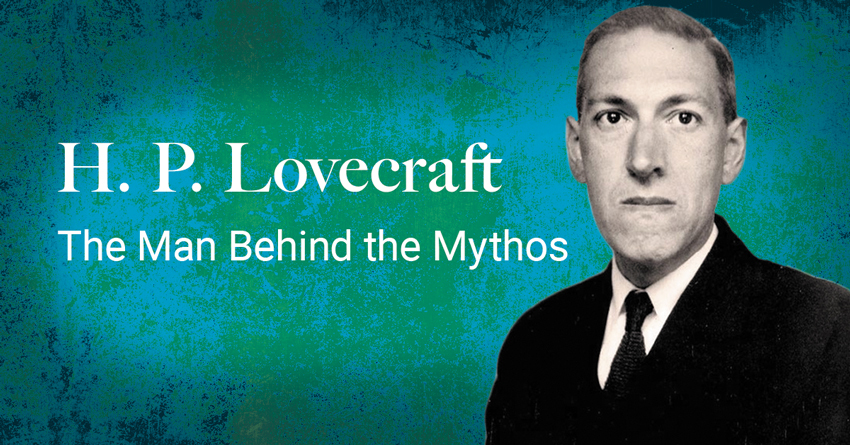
One reason the story of the hp lovecraft cat continues to attract attention is that it encourages readers to revisit Lovecraft’s broader worldview. His private correspondence reveals opinions that many modern readers find deeply disturbing. These beliefs occasionally surfaced in his fiction through descriptions of outsiders, inherited degeneration, and fears of cultural change.
At the same time, reducing Lovecraft’s entire literary output to his prejudices would overlook the innovations that made him one of horror’s most influential authors. His greatest stories explore humanity’s insignificance in an indifferent universe, ancient civilizations beyond comprehension, and knowledge that drives people toward madness.
These themes helped establish what later became known as cosmic horror. Rather than relying solely on ghosts or monsters, Lovecraft suggested that the universe itself could be terrifying because it operates without concern for human hopes or morality.
Reading the Stories with Critical Awareness
Modern readers often approach Lovecraft through two different lenses. One focuses on his groundbreaking contributions to horror literature, while the other examines the prejudices embedded within some of his stories. Both perspectives contribute to a fuller understanding.
Many universities now teach Lovecraft alongside discussions of race, culture, and historical context. This approach neither celebrates nor erases his personal failings. Instead, it encourages thoughtful reading by recognizing how an author’s experiences and beliefs can shape creative work.
Such discussions have become increasingly valuable because they demonstrate that literary appreciation does not require ignoring uncomfortable aspects of history. Readers are capable of recognizing artistic achievement while maintaining clear ethical criticism.
Why the Story of the Cat Continues to Spark Debate
Internet Curiosity Meets Historical Reality
The internet has introduced millions of new readers to Lovecraft’s biography, and the story of his cat frequently appears in online discussions. Many first assume the claim must be an elaborate joke because the name sounds almost too shocking to be true.
Unfortunately, historical evidence confirms that the story is genuine. As a result, conversations often move beyond the cat itself and toward larger questions about historical accountability, artistic legacy, and cultural memory.
The cat has become something of a symbol. Rather than representing an ordinary household pet, it now serves as shorthand for the contradictions within Lovecraft’s life. His extraordinary imagination existed alongside beliefs that remain deeply offensive and harmful.
Humor, Memes, and Ethical Questions
Online culture often transforms historical facts into memes. The story of Lovecraft’s cat has followed that pattern, appearing in jokes, comics, videos, and social media posts. While humor can introduce people to historical topics, it can also reduce serious issues to punchlines.
Many readers argue that focusing exclusively on the cat risks distracting from the broader history of racism and discrimination. Others believe the cat provides an accessible entry point for discussing difficult historical realities.
Both viewpoints highlight an important truth. Historical discussions are most productive when they move beyond sensational details and encourage deeper understanding instead of simple shock value.
The Cultural Legacy of H.P. Lovecraft Today
A Lasting Influence on Horror and Popular Culture
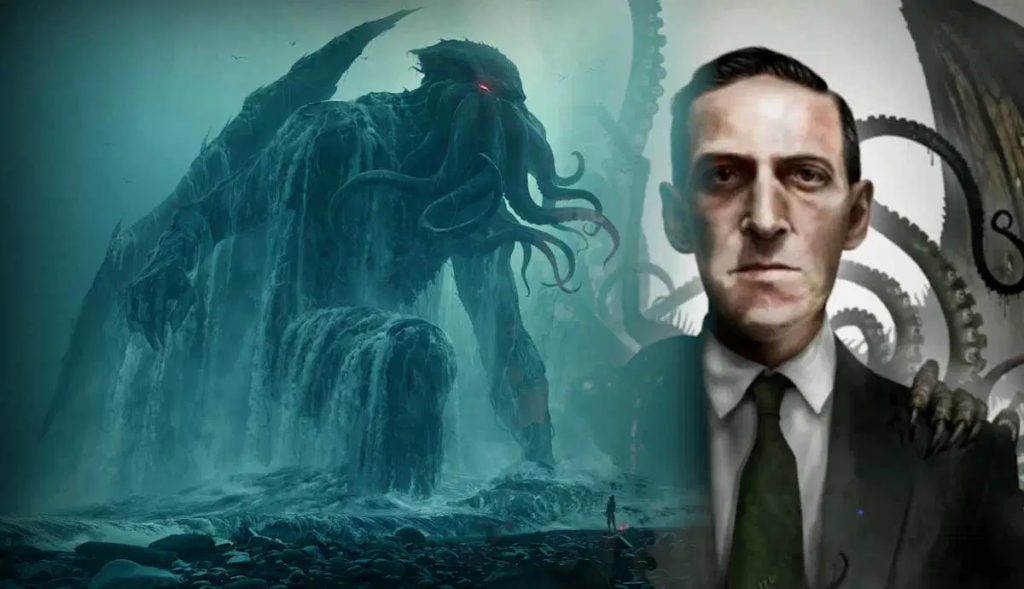
Despite ongoing debates about his personal beliefs, Lovecraft’s creative influence remains enormous. His ideas have shaped novels, films, tabletop games, television series, comic books, and video games for nearly a century.
Writers frequently borrow elements such as ancient cosmic beings, forbidden knowledge, mysterious cults, and realities beyond human comprehension. These concepts have become staples of modern horror because they tap into universal fears about the unknown.
Interestingly, many contemporary creators deliberately reinterpret Lovecraft’s ideas while rejecting the prejudices found in parts of his writing. They preserve the imaginative aspects of cosmic horror while expanding representation and presenting more inclusive perspectives.
Reclaiming and Reimagining Cosmic Horror
Several modern authors from diverse backgrounds have responded directly to Lovecraft’s legacy. Rather than ignoring his influence, they engage with it critically by placing marginalized characters at the center of stories that challenge assumptions present in earlier works.
This creative dialogue demonstrates that literature is not static. Every generation revisits classic authors through new perspectives, asking fresh questions and offering alternative interpretations.
The result has been a richer and more inclusive form of cosmic horror that acknowledges its origins while refusing to inherit every aspect of its creator’s worldview.
Separating Artistic Achievement from Personal Conduct

Can Readers Appreciate the Work While Criticizing the Author?
One of the most common questions surrounding Lovecraft concerns whether readers should continue exploring his stories despite his documented racism. There is no single universally accepted answer.
Some readers choose to separate the art from the artist, focusing primarily on literary innovation. Others feel that the author’s beliefs are too deeply connected to his fiction to make such separation possible. Still others read his work specifically to understand both its strengths and its historical limitations.
Each approach reflects different priorities, yet all benefit from accurate historical knowledge rather than simplified narratives.
Learning from Complicated Historical Figures
History rarely presents individuals who fit neatly into categories of heroes or villains. Many influential people made lasting contributions while also holding beliefs that later generations rightly reject.
Lovecraft serves as a powerful example of this complexity. His imagination transformed horror literature, but his writings and correspondence also reveal prejudices that deserve careful examination rather than dismissal.
Approaching historical figures honestly means resisting both idolization and oversimplification. By recognizing achievements alongside failures, readers gain a more complete understanding of history and the ways cultural values evolve over time.
Conclusion
The story of the hp lovecraft cat is far more significant than an unusual piece of literary trivia. It opens the door to meaningful conversations about history, racism, artistic legacy, and the responsibilities of readers engaging with influential works from the past.
Historical evidence confirms that Lovecraft’s childhood cat carried a deeply offensive name, reflecting attitudes that also appeared throughout his personal correspondence and, at times, within his fiction. Acknowledging these facts is essential for understanding the author as a whole rather than preserving an incomplete or sanitized biography.
At the same time, Lovecraft’s influence on horror literature remains undeniable. His vision of an immense, mysterious universe reshaped the genre and inspired countless creators. Modern audiences increasingly engage with his work through a balanced perspective—recognizing extraordinary artistic innovation while openly confronting the prejudice that formed part of his worldview.
The enduring discussion surrounding Lovecraft and his cat reminds us that history is rarely simple. Honest engagement with the past allows readers to appreciate literary achievement without ignoring the moral lessons that accompany it.
FAQs
1. Did H.P. Lovecraft really own a black cat?
Yes. Historical evidence confirms that Lovecraft owned a black cat during his childhood.
2. Was the cat’s offensive name authentic?
Yes. Multiple historical sources indicate that the cat’s name included a racial slur that is considered deeply offensive today.
3. Why is the cat discussed so frequently?
The cat has become symbolic of the broader conversations surrounding Lovecraft’s documented racist beliefs and complicated historical legacy.
4. Did the cat influence Lovecraft’s stories?
There is little evidence that the cat itself directly inspired his fiction, although it occasionally appeared in family recollections and correspondence.
5. Was Lovecraft considered racist by historians?
Yes. Most scholars agree that Lovecraft expressed racist views extensively in his personal letters and that some of those attitudes influenced aspects of his fiction.
6. Should modern readers avoid Lovecraft’s books?
That is a personal decision. Many readers continue to study his work while critically acknowledging his documented prejudices and historical context.
7. What is cosmic horror?
Cosmic horror is a subgenre that emphasizes humanity’s insignificance in a vast, mysterious universe populated by incomprehensible forces beyond human understanding.
8. Why do contemporary authors still reference Lovecraft?
His storytelling techniques, atmosphere, and cosmic concepts remain highly influential, even among writers who openly reject his personal beliefs.
9. Has the story of Lovecraft’s cat been exaggerated online?
Although internet discussions sometimes sensationalize it, the central historical claim—that the cat existed and had an offensive name—is supported by documented evidence.
10. What is the main lesson readers can take from this story?
The story illustrates the importance of engaging with history honestly. Appreciating literary innovation does not require overlooking prejudice, and understanding both aspects provides a more complete picture of the past.
